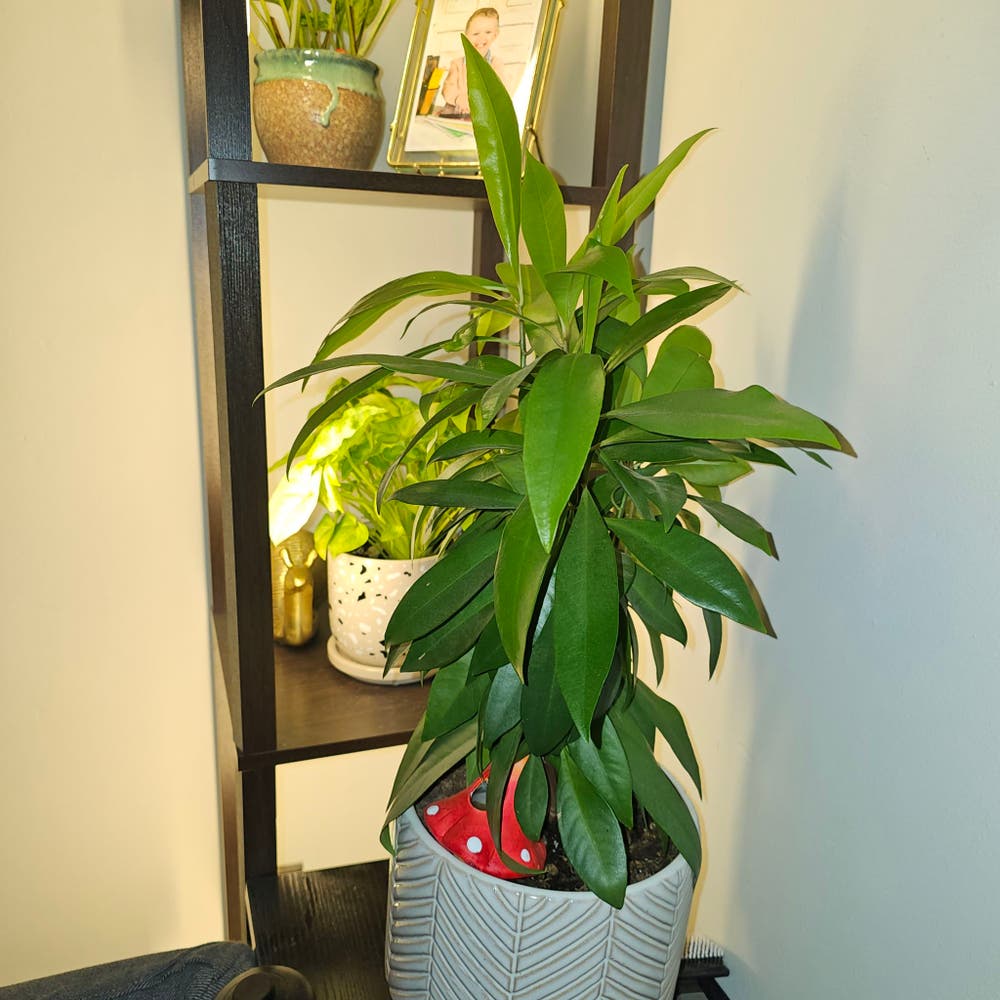
How Much Sunlight For Your Japanese Ardisia
Ardisia japonica
By the Greg Editorial Team
Apr 15, 2024•4 min read
This article was created with the help of AI so we can cover more plants for you. May contain errors. See one? Report it here.
Nurture a vibrant Japanese Ardisia with the perfect light balance—no more guesswork! 🌿🔍
- 🌞 Morning light is best; avoid harsh afternoon sun to protect Japanese Ardisia.
- 🏡 East-facing windows ideal indoors; use reflectors to enhance light.
- 💡 Full-spectrum LEDs mimic natural cycle, aiding growth and flowering.
Maximizing Outdoor Light for Japanese Ardisia
Finding the right spot outdoors for your Japanese Ardisia is more about avoiding the wrong ones. Direct afternoon sun? That's a no-go. It can lead to sunscald, a plant's version of a nasty sunburn. Instead, aim for part shade to shade, where the rays are gentler, especially during the scorching afternoons.
🛡️ Shielding from the sun: Protecting your plant from harsh rays
Morning light is your friend here. It's like a soft hug for your Japanese Ardisia, warm but not overbearing. If you're in a spot where the sun plays hardball, consider a strategic placement behind larger plants or use a shade cloth to break up the intensity. Remember, your plant's leaves are the best tattletales; if they start looking crispy, it's time to up the shade game.
🌞 Adapting to the Seasons
As the earth tilts and turns, so does the sun's mood. Winter might see your Japanese Ardisia craving every last drop of sunlight, while summer could have it begging for a break. Adjust its position with the seasons, and don't be shy to shuffle it around to keep it comfy. Extreme weather? That's when you pull out all the stops—mulch to keep the roots cozy in winter and extra hydration during summer sizzles. Keep an eye out for the tell-tale signs of distress, and act accordingly. Your plant will thank you by not throwing a leafy tantrum.
Nurturing Indoor Japanese Ardisia with Natural Light
East-facing windows are your Japanese Ardisia's best friend. They offer a morning buffet of light without the harsh afternoon sun. But not all homes are blessed with perfect lighting.
🌟 Reflecting on Reflectors
If your space lacks natural light, get creative. Mirrors or shiny surfaces can bounce light around, giving your plant a much-needed luminosity boost. It's like rigging your own mini sun without the heat.
When Natural Light Isn't Enough: Supplementing with Grow Lights
Choosing the right grow light can feel like finding a needle in a haystack. But for Japanese Ardisia, full-spectrum LED grow lights are the needle you want. They mimic the sun's spectrum, minus the heat, and are kind to your electric bill.
🌱 Setting Up a Grow Light System
Consistency is key. Set up your grow lights to mimic the natural day cycle, keeping your Japanese Ardisia in a state of blissful photosynthesis. Remember, too much of a good thing is still too much—avoid light burn with proper distance and duration.
Ensuring Blossoms with Proper Light
🌸 Linking Light Patterns to the Flowering of Japanese Ardisia
Japanese Ardisia's flowering cycle is deeply influenced by light. To coax this plant into showcasing its blooms, sunlight is key. It's not just about quantity, but also about the quality of light. The plant thrives under bright, indirect light, which encourages the development of flower buds. Direct sunlight, especially during the harsh midday hours, can be detrimental and lead to leaf scorch.
🌼 Adjusting Light for Flower Encouragement
Indoor plants benefit from a south-facing windowsill, where they can bask in ample light without the risk of direct sun exposure. For outdoor plants, dappled shade provides the ideal conditions. As seasons change, so does the angle of the sun—be prepared to shift your Japanese Ardisia to maintain consistent light conditions.
Reflectors can be used to enhance natural light indoors, ensuring that even the sides facing away from the window receive their share of illumination. When natural light falls short, especially in winter, grow lights with a red spectrum can encourage blooming. These artificial lights mimic the warm tones of late afternoon sun, which is a signal for many plants to initiate flower development.
Remember, light is just one part of the equation. Regular pruning, proper fertilization, and pest control also play significant roles in the health and flowering of your Japanese Ardisia. Keep these factors in check to set the stage for a stunning floral display.
⚠️ Safety First
This content is for general information and may contain errors, omissions, or outdated details. It is not medical, veterinary advice, or an endorsement of therapeutic claims.
Always consult a qualified healthcare professional before using any plant as food, medicine, or supplement.
Never eat any plant (or feed one to pets) without confirming its identity with at least two trusted sources.
If you suspect poisoning, call Poison Control (800) 222-1222, the Pet Poison Helpline (800) 213-6680, or your local emergency service immediately.
Spotted an error? Please report it here.
Nurture your Japanese Ardisia to peak health 🌤 with Greg's adaptive light tracking and season-specific care reminders, ensuring it gets just the right amount of sun year-round.