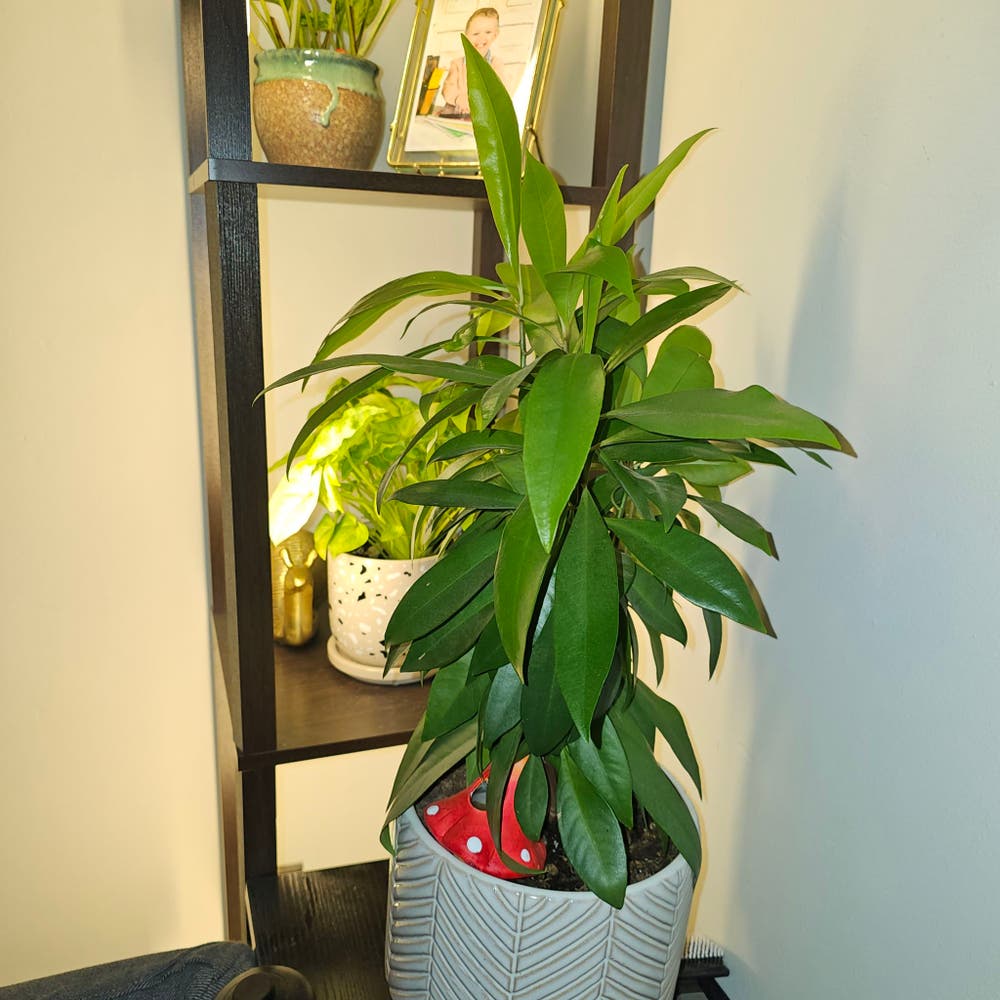
🐛 What To Do About Bugs on My Japanese Ardisia?
Ardisia japonica
By the Greg Editorial Team
Apr 15, 2024•3 min read
This article was created with the help of AI so we can cover more plants for you. May contain errors. See one? Report it here.
Protect your Japanese Ardisia 🌿 from bug invasions with expert-recommended, battle-tested tactics.
- Combat spider mites and mealybugs with neem oil, humidity, and alcohol swabs.
- Prevent pests with cleanliness, proper watering, and regular plant inspections.
- Foster beneficial insects and quarantine new plants to protect your Japanese Ardisia.
Spotting the Enemy: Identifying Common Pests
🕷️ Spider Mites
Tiny webbing and leaf damage are telltale signs of spider mites. Combat these pests with neem oil and by increasing humidity. Prevent future infestations with regular misting and thorough plant inspections.
🐞 Scale Insects
Look for waxy bumps on stems and leaves to spot scale insects. Remove them manually with alcohol-dipped swabs and apply horticultural oil. Keep scales at bay with diligent pruning and maintaining cleanliness.
🦟 Fungus Gnats and Fruit Flies
Tiny flies and excessive soil moisture signal the presence of fungus gnats and fruit flies. Employ sticky traps and dry out the soil to combat them. Proper watering practices are key to preventing their return.
🐛 Mealybugs
Cottony clusters on your plant indicate mealybugs. Use alcohol swabs and soapy sprays for eradication. Prevent infestations by isolating new plants and conducting regular checks.
When Other Bugs Bite: Less Common Pests
🐞 Aphids, Whiteflies, and Thrips
Aphids, whiteflies, and thrips may not be the usual suspects on Japanese Ardisia, but they can still wreak havoc. Sticky residue and discolored leaves are red flags signaling their presence.
🦟 Aphids
These tiny pests can be green, black, or white, and love the underside of leaves. A strong water spray can dislodge them, while insecticidal soap can finish the job.
🦋 Whiteflies
Whiteflies are like tiny moths and are most active when it's warm. Yellow sticky traps attract and capture them, and a good hose down can be surprisingly effective.
🌿 Thrips
Thrips leave behind silvery trails and stippled leaves. Neem oil or insecticidal soap sprays are your go-to here. Remember, consistency is key—spray weekly.
🛡️ Building Defenses
Fostering beneficial insects is a smart move. Ladybugs and lacewings are natural predators of these pests. Avoid pesticides to keep these allies around.
Regular plant inspections and maintaining cleanliness are essential. Introduce natural repellents and beneficial insects to create a robust defense system against these less common, but equally troublesome, pests.
The Healthy Plant Checklist
Thriving Japanese Ardisia: Look for lush green foliage, robust growth, and a lack of any distress signals. A healthy plant should display a vibrant appearance with no signs of wilting or discoloration.
Early Warning Signs: Yellowing leaves, stunted growth, or a sticky residue can all be red flags. These symptoms might indicate a pest problem or a disease taking hold.
👀 Vigilance is Key
Regularly inspect your Japanese Ardisia, especially the undersides of leaves and new shoots. Catching issues early can prevent a full-scale infestation.
🌳 The Right Environment
Ensure your plant is in well-drained, acidic soil and situated in partial to full shade. Avoid excess sun to prevent foliar burn.
💧 Moisture Matters
Over-watering and under-watering can both lead to health issues. Maintain consistent moisture levels without letting the soil become waterlogged.
🧹 Cleanliness Counts
Keep your gardening tools clean to avoid spreading pests or diseases. A tidy environment discourages pest invasions.
🚫 Isolation for New Plants
When introducing new plants to your space, quarantine them first. This helps prevent the spread of any unseen pests to your Japanese Ardisia.
🪳 No Room for Pests
Regularly remove any debris from the plant's vicinity to minimize hiding spots for bugs. A clean area is less inviting to pests.
Remember, a healthy Japanese Ardisia is your best defense against pests. Regular care and attention are the cornerstones of plant health. Keep an eye out for trouble and act swiftly at the first sign of pests.
⚠️ Safety First
This content is for general information and may contain errors, omissions, or outdated details. It is not medical, veterinary advice, or an endorsement of therapeutic claims.
Always consult a qualified healthcare professional before using any plant as food, medicine, or supplement.
Never eat any plant (or feed one to pets) without confirming its identity with at least two trusted sources.
If you suspect poisoning, call Poison Control (800) 222-1222, the Pet Poison Helpline (800) 213-6680, or your local emergency service immediately.
Spotted an error? Please report it here.
Maintain a pest-free 🌿 Japanese Ardisia with Greg's tailored care plans, ensuring early detection and prevention for your plant's best defense.