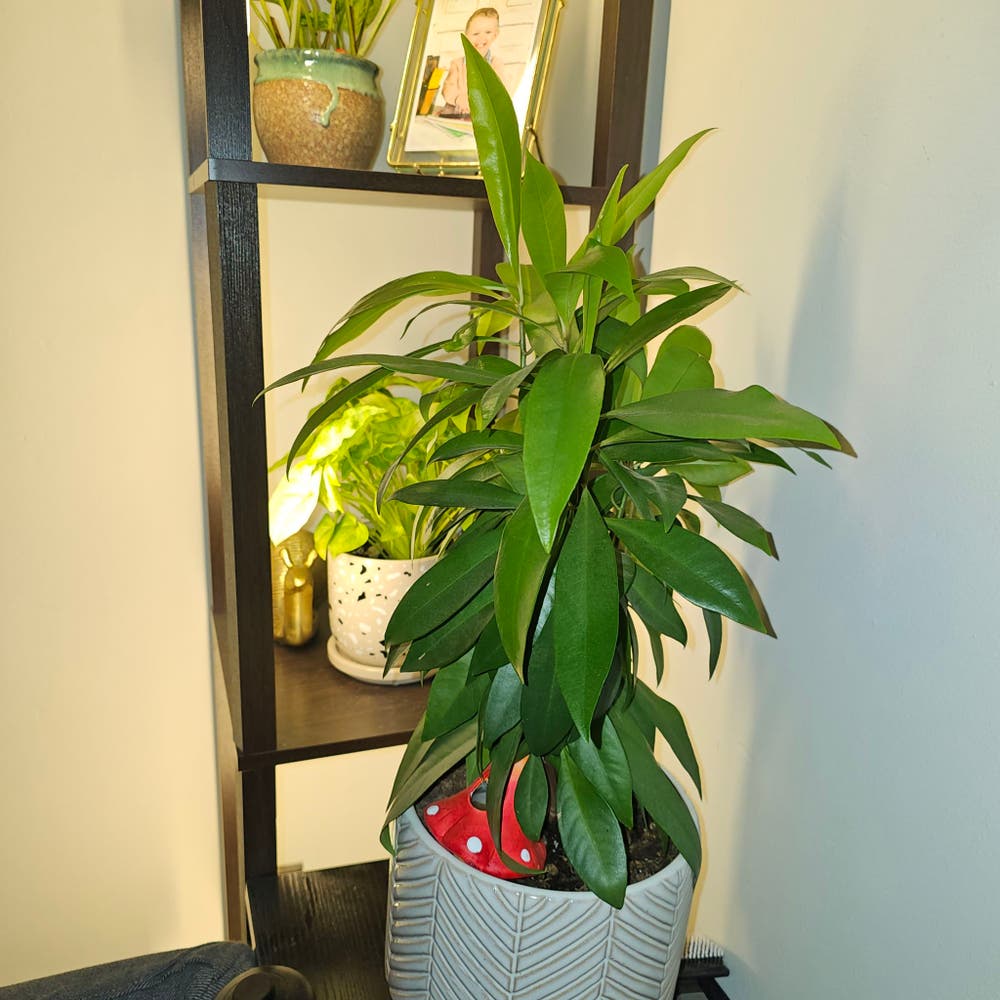
Why Are My Japanese Ardisia Leaves Droopy?
Ardisia japonica
By the Greg Editorial Team
Apr 15, 2024•5 min read
This article was created with the help of AI so we can cover more plants for you. May contain errors. See one? Report it here.
Perk up your Ardisia's leaves 🍃 with expert tips to tackle droopiness and restore plant vigor!
- Over/underwatering affects leaves, causing yellowing or dehydration.
- Bright, indirect light is key to prevent droopy leaves.
- Consistent care is crucial, including proper soil, pot, and climate.
Spotting the Slump: Identifying Droopy Leaves in Japanese Ardisia
🌿 Visual cues: What does droopiness look like?
Japanese Ardisia leaves should be firm and upright, but when they're droopy, it's like they've lost their backbone. Visual cues include leaves that sag or bend at unusual angles. Instead of the healthy sheen, they might look dull and tired. This isn't just a bad leaf day; it's a sign your plant is calling for help.
🍂 Beyond the droop: Other symptoms to watch for
Droopiness is just the tip of the iceberg. Yellowing leaves could be crying out about overwatering or a nutrient deficit. If the leaves are crispy or puckered, your Ardisia is probably thirstier than a camel in the desert. Watch for leaves that feel softer than usual or exhibit discoloration—these are distress flares from your plant.
🚨 When to worry: Normal vs. concerning droopiness
It's normal for plants to have off days, but if your Japanese Ardisia's leaves are more limp than a wet noodle, it's time to worry. Persistent droopiness, especially with discoloration or spots, is your cue to spring into action. If the leaves don't perk up with the morning sun or after a drink, it's not just a phase—it's a problem.
The Usual Suspects: Pinpointing the Culprits Behind the Droop
🌧️ Too much love: The overwatering connection
Overwatering can turn your Japanese Ardisia into a soggy mess. Yellowing leaves and a musty odor from the soil are tell-tale signs of excess moisture. It's a delicate balance; the soil should feel like a wrung-out sponge, not a drenched towel.
🏜️ Thirsty roots: How underwatering takes a toll
Conversely, underwatering leaves your plant as thirsty as a marathon runner in the desert. Droopy leaves and dry soil are your cues to up the watering ante. Remember, consistent hydration is key to avoiding the wilt.
🌞 Light woes: Finding the sweet spot for your Ardisia
Lighting is a Goldilocks game for Japanese Ardisia. Too much and you'll scorch the leaves; too little and they'll sag with sadness. Aim for bright, indirect light and consider rotating your plant to prevent uneven growth.
🌡️ Climate shock: Temperature and humidity's role in leaf health
Temperature and humidity swings can send your Ardisia into shock. Keep an eye out for a stable environment to avoid droopy leaves. Steady conditions will help maintain your plant's perky posture.
The Revival Guide: Perking Up Your Japanese Ardisia
💧 Watering wisdom: Balancing the hydration equation
Consistency is your ally in the quest to perk up those droopy Japanese Ardisia leaves. Overwatering is like an overbearing friend—too much attention can drown the roots. Underwatering, on the other hand, leaves your plant parched and pleading for a drink. Aim for a happy medium: water when the top inch of soil feels like a dry sense of humor—partially dry. Use a moisture meter or your trusty finger to check. Remember, your plant's thirst changes with the seasons—less in winter, more in summer.
🌞 Let there be light: Adjusting your plant's sunbathing routine
Japanese Ardisia doesn't need a sunburn to feel alive. Too much direct light and the leaves might throw shade by drooping. Find a sweet spot where indirect sunlight brightens its day without overwhelming it. Think of it as your plant's personal spa—enough light to rejuvenate, but not so much that it needs to reach for the aloe vera.
❄️ Keeping cool (or warm): Stabilizing your Ardisia's climate
Your Japanese Ardisia is not a fan of climate drama. Sudden temperature swings are as unsettling for your plant as a surprise plot twist in your favorite series. Keep the environment stable—no chilly drafts or scorching heat waves. And humidity? It craves a balanced atmosphere, not a tropical rainforest or desert dryness. Aim for consistent, moderate humidity to keep those leaves perky.
🌱 Soil and roots: The foundation of a perky plant
The right soil is like a good support system—it's everything. Ensure your Japanese Ardisia's soil is well-draining yet retains enough moisture to avoid a drought situation. A mix that's too heavy can suffocate roots, while too light a mix can leave them dehydrated. Consider a soil amendment with perlite or orchid bark for that perfect balance. And don't forget to check for snug roots—a tight pot can cramp your plant's style, leading to droopiness. Repotting into a slightly larger home can give it the space it needs to thrive.
Pro Tips: Keeping Your Japanese Ardisia's Leaves Perky
💧 The Watering Rhythm: Creating a Consistent Schedule
Consistency is your green thumb's secret handshake with your Japanese Ardisia. Forget about watering on a whim; it's all about the rhythm. Check the soil before you water—dry on top means go, sopping wet means stop. If the top inch feels like a desert, it's time for a drink. Use room-temperature water to avoid shocking your plant's roots, like a considerate bartender serving the perfect brew.
👀 Spot Checks and Tweaks: Regular Monitoring for Early Signs of Droop
Your plant's not just another pretty face; it's a living barometer of its own health. Regular monitoring is the key. Get up close and personal with your Ardisia, and you'll catch those early cries for help. If the leaves start to slump, it's not being dramatic—it's signaling you to take action. Adjust your care routine with the seasons; your plant's needs change just like your wardrobe does.
🌱 The Right Home: Pot and Soil Choices That Make a Difference
Choosing the right pot and soil for your Japanese Ardisia is like setting up a trust fund for its future. Well-draining soil and a pot with drainage holes are non-negotiables. They're the dynamic duo fighting against the dreaded root rot. Remember, a happy plant is all about the base—so give it a solid one. And if you're repotting, think of it as a home upgrade; a little more space can make a big difference.
⚠️ Safety First
This content is for general information and may contain errors, omissions, or outdated details. It is not medical, veterinary advice, or an endorsement of therapeutic claims.
Always consult a qualified healthcare professional before using any plant as food, medicine, or supplement.
Never eat any plant (or feed one to pets) without confirming its identity with at least two trusted sources.
If you suspect poisoning, call Poison Control (800) 222-1222, the Pet Poison Helpline (800) 213-6680, or your local emergency service immediately.
Spotted an error? Please report it here.
Banish droopy leaves and get your Japanese Ardisia to thrive 🌱 with Greg's tailored care plans that tackle overwatering, nutrient needs, and the perfect light conditions.