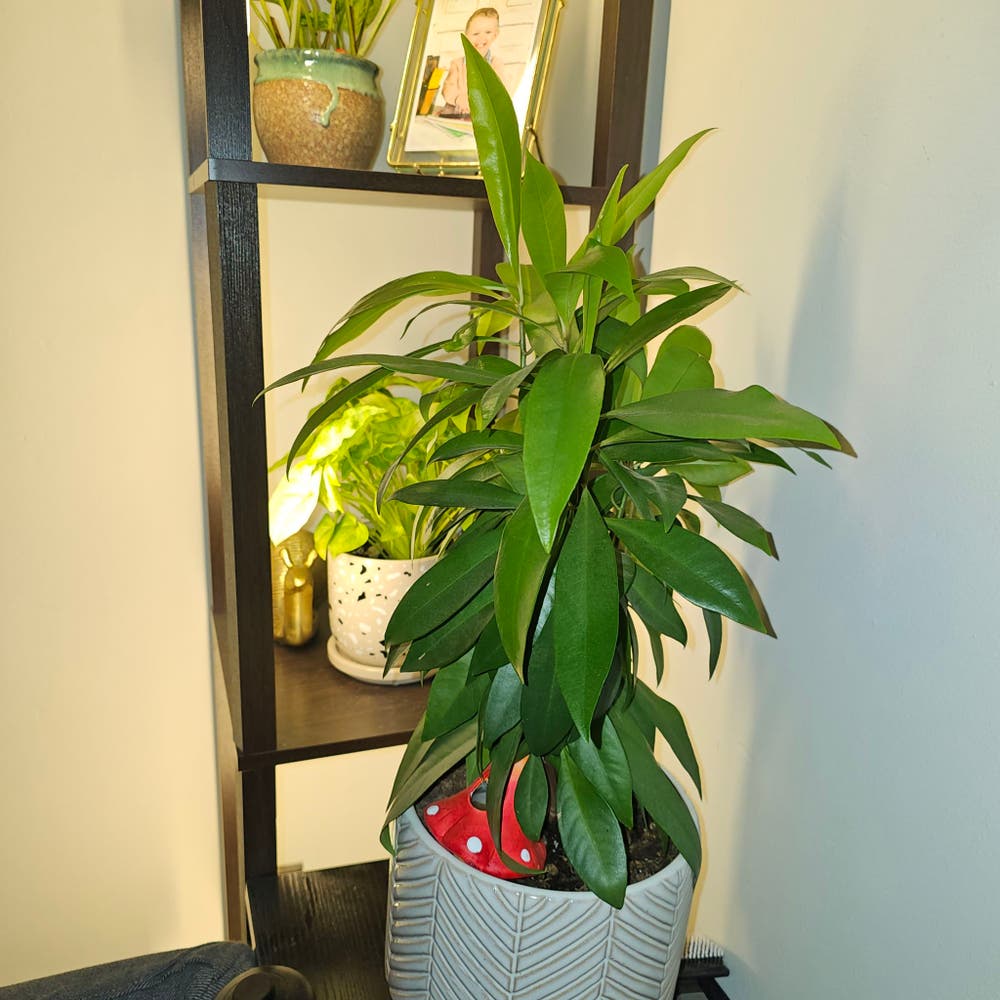
How Frequently Should I Water My Japanese Ardisia?
Ardisia japonica
By the Greg Editorial Team
Apr 15, 2024•4 min read
This article was created with the help of AI so we can cover more plants for you. May contain errors. See one? Report it here.
Ensure your Japanese Ardisia flourishes 🌿 by nailing the perfect watering rhythm—your green thumb's secret!
- 🌱 Check soil moisture before watering; droopy or yellow leaves signal issues.
- 🔄 Adjust watering with seasons and indoor conditions like humidity and airflow.
- 💧 Balance is key: avoid overwatering and underwatering for plant health.
When to Water: Reading Your Plant's Thirst
🌱 Checking Soil Moisture
Test before you water. Stick your finger about an inch into the soil; if it feels like the Sahara, it's time to quench your plant's thirst. For the tech-savvy, a moisture meter can provide a no-guess digital verdict on soil dampness.
🌿 Observing Plant Signals
Droopy leaves scream for water, while yellow ones hint at aquatic overkill. Your plant's posture can be a reliable barometer of its hydration needs. A pot that feels lighter than your last diet's promises likely needs watering, while a heavy one suggests there's still plenty of moisture to go around.
Tailoring Watering to Your Environment
💧 Seasonal Adjustments
Seasons change, and so does the thirst of your Japanese Ardisia. In the summer heat, your plant may guzzle water like a marathon runner, necessitating more frequent watering. Conversely, during the winter chill, it's more about occasional sips to keep the soil from going bone dry.
Daylight hours also play a part; longer days mean more photosynthesis and more water needed. It's not just a calendar game—it's about syncing with nature's tempo.
🏡 Home Environment Factors
Indoor conditions are a wild card in the watering game. High indoor humidity might mean your plant can go longer between drinks, while a dry, air-conditioned room could turn your Ardisia into a regular at the watering can.
Airflow is another silent player; good circulation helps soil dry out evenly, preventing root rot. If your plant is basking in the breeze of a fan or an open window, it might need watering less often.
Adaptation is key. Your home isn't a greenhouse, and your plant care shouldn't be on autopilot. Watch for your plant's cues and tweak your watering routine to match the unique vibe of your space.
Watering Best Practices for Japanese Ardisia
💧 Establishing a Watering Schedule
Creating a baseline schedule for watering your Japanese Ardisia is like setting up a first date—you want to make a good impression but stay flexible. Start with watering every 9 days, giving 0.5 cups to a plant in a 5" pot away from direct sunlight. But remember, this is just a jumping-off point.
Observe your plant's response and tweak as needed. Clinging to a rigid schedule can lead to a plant's equivalent of ghosting—drooping leaves or, worse, root rot.
💦 Water Quality and Quantity
The type of water you use can be a deal-breaker for your Japanese Ardisia. Tap water can be a no-go if it's hard or heavily chlorinated. Consider rainwater or filtered water to keep things smooth.
When it comes to quantity, think Goldilocks—not too much, not too little. Thorough watering until excess drains out is key, but only when the soil's top inch feels like a dry handshake—ready for another meeting.
Troubleshooting Watering Issues
💦 Dealing with Overwatering
Overwatering your Japanese Ardisia can lead to root rot and a host of other issues. To rescue your plant, first stop watering and let the soil dry out. Check the roots; if they're brown and mushy, trim the damaged parts. Repot the plant in fresh, well-draining soil and ensure your pot has adequate drainage holes. Going forward, water only when the top inch of soil is dry to the touch.
🏜️ Addressing Underwatering
Underwatered Japanese Ardisia will have dry, brittle leaves and stunted growth. To revive it, thoroughly water the plant until excess water drains out—this may require several passes to rehydrate compacted soil. Monitor the plant's recovery and establish a more consistent watering routine, allowing the topsoil to dry slightly between waterings. Remember, it's about finding a balance; too much or too little can both be harmful.
⚠️ Safety First
This content is for general information and may contain errors, omissions, or outdated details. It is not medical, veterinary advice, or an endorsement of therapeutic claims.
Always consult a qualified healthcare professional before using any plant as food, medicine, or supplement.
Never eat any plant (or feed one to pets) without confirming its identity with at least two trusted sources.
If you suspect poisoning, call Poison Control (800) 222-1222, the Pet Poison Helpline (800) 213-6680, or your local emergency service immediately.
Spotted an error? Please report it here.
Find the perfect watering rhythm 🎵 for your Japanese Ardisia with Greg's tailored reminders, making plant care a harmonious part of your daily life.