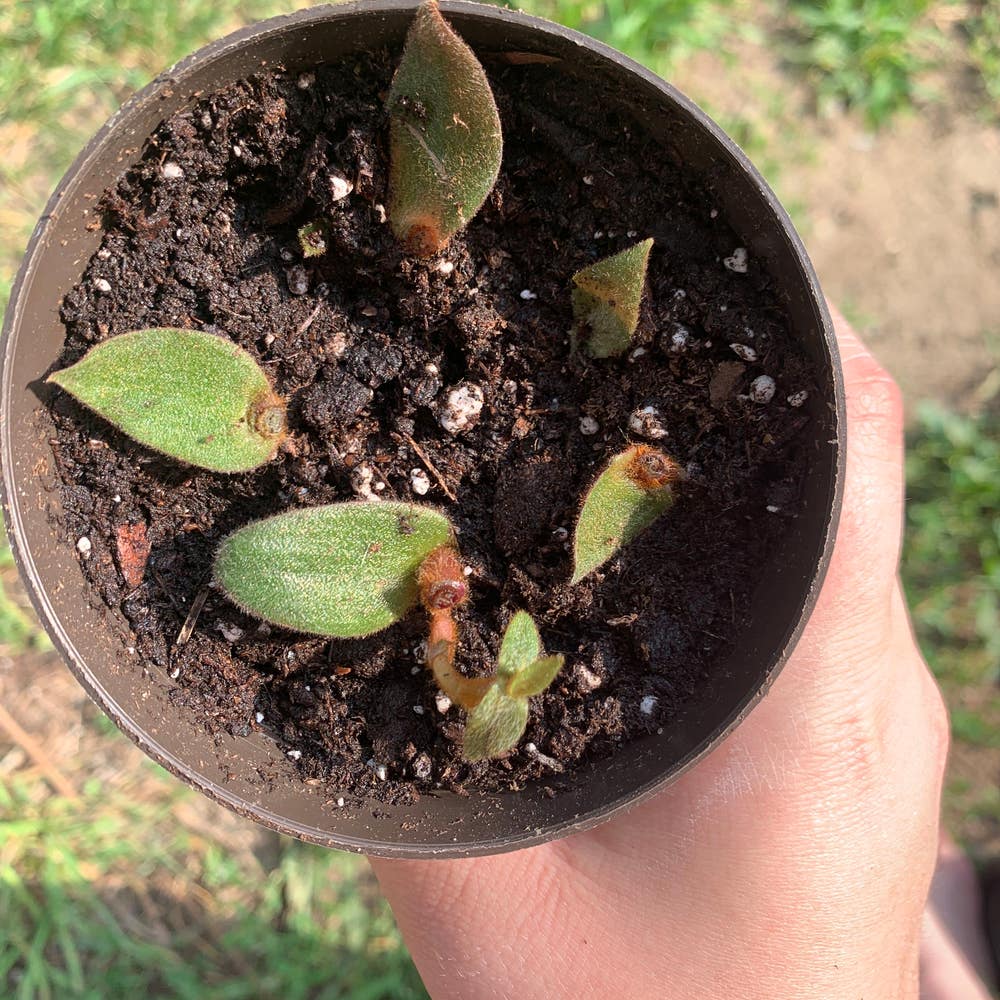
How Do I Propagate My Cyanotis villosa?
Cyanotis villosa
By the Greg Editorial Team
Apr 22, 2024•4 min read
This article was created with the help of AI so we can cover more plants for you. May contain errors. See one? Report it here.
- Division propagation: Choose healthy sections with roots and a crown.
- Stem cuttings: Use rooting hormone, callus formation, and well-draining mix.
- Water to soil transition: Move when roots are 2-4 inches, acclimate gradually.
Propagating by Playing It Safe: Division
🌱 The Division Game Plan
To propagate your Cyanotis villosa through division, follow these steps:
- Choose the right time: Early spring or fall, when the plant is in its growth phase.
- Unpot carefully: Gently remove the plant from its container to avoid root damage.
- Spot the crowns: Identify the natural separations where growth points emerge.
- Separate: Use sterilized tools to divide the plant into sections, ensuring each has at least one growth point.
- Repot: Plant each division in well-draining soil, with roots comfortably buried.
Choosing the Champions
Selecting the best sections for division is crucial. Look for parts of your Cyanotis villosa that have:
- Healthy growth: Vigorous and green, showing signs of active life.
- Adequate roots: Each division should have a fair share of the root system.
- At least one crown: This is the growth center, vital for the plant's development.
Remember, larger divisions recover faster, but smaller ones increase your plant count. It's a balance between quantity and resilience.
The Magic of Stem Cuttings
🌱 Snip and Dip: Taking Stem Cuttings
To propagate Cyanotis villosa through stem cuttings, timing and technique are key. Spring or early summer is your golden window, when the plant's growth is most vigorous.
🎯 Selecting Your Stem
Look for a healthy, robust stem—a green beacon of potential. It should be free of blemishes and pests, with leaves that scream vitality.
✂️ Making the Cut
With sterilized scissors, channel your inner surgeon and make a clean, angled cut just below a leaf node. This is where the rooting party starts.
🛡️ Callusing Over
Before you move on, let the cutting dry out for a few days to form a callus. This step is like giving your cutting armor against rot.
🌱 Planting Your Future Plant
Now, it's time to get those cuttings in soil and on the path to becoming full-fledged plants.
🌿 The Right Mix
Mix up a well-draining concoction of perlite, peat, and pine bark. This trio is the holy grail for moisture and aeration balance.
🌱 Rooting Hormone: Yay or Nay?
Rooting hormone is like a motivational speaker for your cuttings. Not mandatory, but it can give a hesitant rooter a nudge in the right direction.
🌱 Planting Protocol
Plant your cuttings in the prepared mix, ensuring the soil is moist but not soggy. Overwatering is the fast track to rot, so keep it balanced.
🌱 Post-Planting Care
Keep the cuttings in a nurturing environment—think stable humidity and indirect sunlight. It's like setting the stage for a standing ovation of root growth.
Water Works: Rooting in H2O
🌱 Setting Sail: Starting Your Cuttings in Water
Grab a clear container and fill it with water, just enough to submerge the nodes of your Cyanotis villosa stem cuttings. This isn't just functional; it's a front-row seat to the rooting spectacle. Remember to swap out the stale water with fresh every week to dodge bacterial build-up.
Nurturing Your Aquatic Babies
As roots emerge, keep them clean with a gentle rinse during water changes. It's like a mini spa for your cuttings, preventing any slimy surprises. Watch for a robust root system to develop—it's your green light for the upcoming soil shift.
From Water to Soil: Transitioning Your Propagated Plants
🌱 The Big Move: When and How
Roots that are two to four inches long signal it's time to transition your Cyanotis villosa from water to soil. Wait for robust roots, the kind that scream "I'm ready for the big leagues!"
- Choose a pot with adequate drainage and a soil mix that's like a backstage VIP area—exclusive for air and moisture.
- Gently lift your cutting from its aquatic abode, giving the roots a fresh water rinse—think of it as a spa day before the big move.
- Plant the cutting in the pot, tucking it into bed with soil, and leave some breathing room at the top.
- Water thoroughly, until the pot's drainage system kicks in, like a bouncer showing excess water the door.
🌿 Ensuring a Smooth Transition
Moving day can be tough on anyone, even plants. Keep the soil moist, but not a swamp. Think of it as a Goldilocks zone—just right.
- Bright, indirect light is your cutting's best friend during this time. It's like a cozy sunbeam that doesn't overstay its welcome.
- Gradually introduce your plant to less humid conditions over a few weeks. It's like acclimatizing to a new city, one day at a time.
- Celebrate every new leaf. It's your plant's way of saying, "Hey, I like it here!"
⚠️ Safety First
This content is for general information and may contain errors, omissions, or outdated details. It is not medical, veterinary advice, or an endorsement of therapeutic claims.
Always consult a qualified healthcare professional before using any plant as food, medicine, or supplement.
Never eat any plant (or feed one to pets) without confirming its identity with at least two trusted sources.
If you suspect poisoning, call Poison Control (800) 222-1222, the Pet Poison Helpline (800) 213-6680, or your local emergency service immediately.
Spotted an error? Please report it here.
Propagate your Cyanotis villosa 🌿 with confidence as Greg guides you through each step with custom care reminders for water transitions and acclimation, celebrating new growth together!