What is a Cyanotis villosa? Complete Guide 🌸
Cyanotis villosa
By the Greg Editorial Team
Jan 10, 2025•12 min read
This article was created with the help of AI so we can cover more plants for you. May contain errors. See one? Report it here.
- 🌱 Cyanotis villosa thrives in warm, well-draining soil with varied light conditions.
- 💧 Water when the top inch is dry to prevent root rot and fungal issues.
- 🌼 Low maintenance and drought-tolerant, it's perfect for busy gardeners seeking vibrant ground cover.
How to Grow
Choosing a Location 🌞
Cyanotis villosa thrives in a range of light conditions, from full sun to partial shade. Ideally, it prefers warm temperatures, flourishing best between 20°C to 30°C (68°F to 86°F).
Soil Preparation 🌱
For optimal growth, use well-draining, fertile soil. Aim for a slightly acidic to neutral pH, ideally between 6.0 to 7.0, to create the perfect environment for your plant.
Planting Techniques 🌿
When planting, space your Cyanotis villosa 12-18 inches apart to allow for healthy ground cover. Ensure that the planting depth is level with the soil surface for best results.
Watering Requirements 💧
Water your plant when the top inch of soil feels dry to the touch. It's best to water at the base to keep the leaves dry and prevent fungal issues.
Fertilizing Schedule 🌼
Utilize a balanced NPK fertilizer to nourish your plant. Fertilize every 4-6 weeks during the growing season to promote vigorous growth.
Pruning and Maintenance ✂️
Prune your Cyanotis villosa after flowering to encourage new growth. Focus on removing any dead or damaged leaves to maintain its health and appearance.
Container Growing Tips 🪴
If you're growing in pots, choose containers with a minimum diameter of 12 inches. Always ensure that your pots have drainage holes to prevent waterlogging, which can lead to root rot.
With these guidelines, you'll be well on your way to cultivating a thriving Cyanotis villosa. Next, let's explore how to propagate this resilient plant effectively.
Propagation
🧪 Methods of Propagation
Cyanotis villosa can be propagated through two primary methods: seeds and cuttings. Both methods are straightforward and can lead to healthy new plants.
📋 Step-by-Step Instructions for Each Method
Seeds
- Sow seeds about 1/4 inch deep in well-draining soil.
- Keep the soil consistently moist until germination occurs, which typically takes 7-14 days.
Cuttings
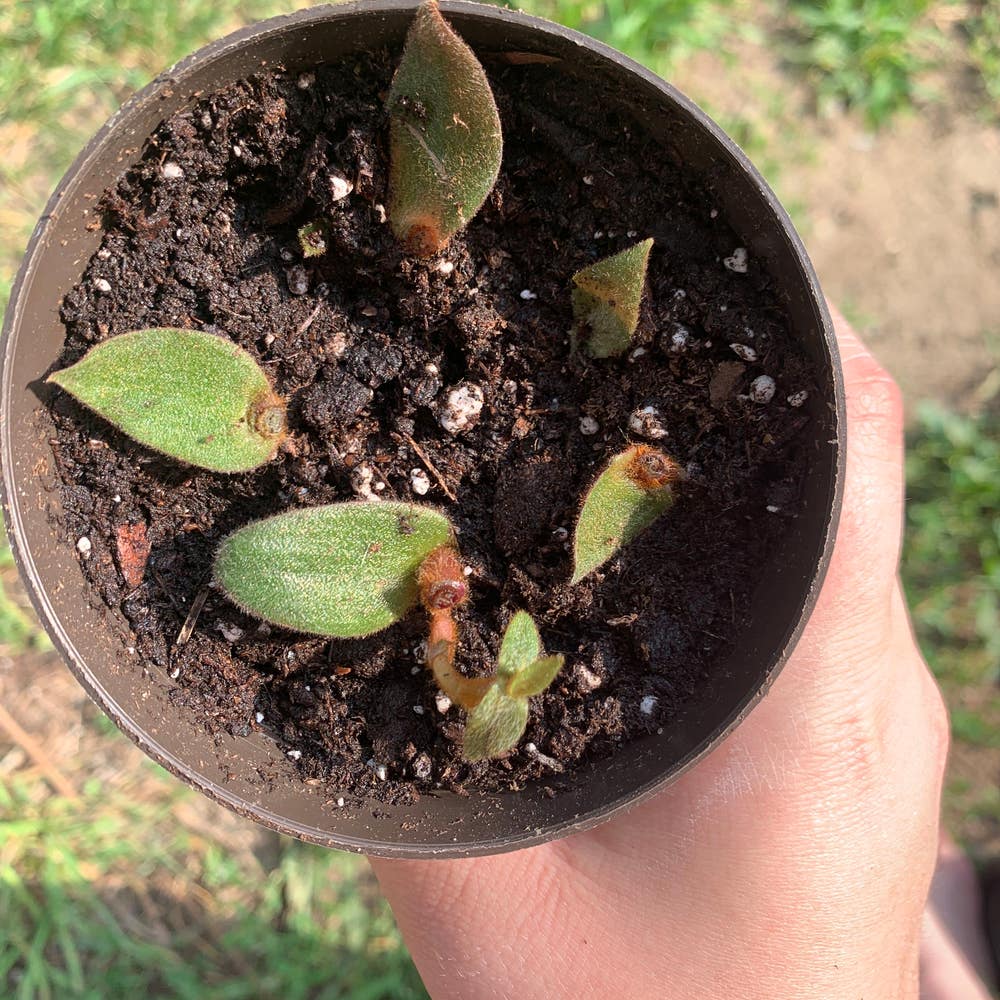
- Take 4-6 inch stem cuttings from healthy plants and dip the cut ends in rooting hormone.
- Plant the cuttings in a mixture of peat and perlite, ensuring they remain moist until roots develop, usually within 2-3 weeks.
🌱 Best Practices for Successful Propagation
To ensure successful propagation, always use sterile tools to prevent disease. Additionally, create a humid environment for cuttings by covering them with a plastic bag or dome, which helps maintain moisture levels.
With these methods and tips, you can easily expand your collection of Cyanotis villosa. Next, let’s explore the lifecycle of this resilient plant and what to expect as it grows.
Lifecycle
Lifecycle Stages 🌱
The lifecycle of Cyanotis villosa is fascinating and unfolds in distinct stages. It begins with germination, where seeds sprout within 7-14 days, marking the start of new life.
Following germination, the plant enters the seedling stage, developing true leaves after about 2-3 weeks. This is a critical phase as the plant establishes itself.
Next comes vegetative growth, a rapid growth phase that lasts several weeks. During this time, the plant focuses on building a robust structure.
As the seasons change, flowering occurs, typically in late spring to summer. This is when the plant showcases its vibrant blooms, attracting pollinators and adding beauty to the garden.
Finally, seed production takes place after flowering, allowing the cycle to continue. Seeds develop, ready to sprout and create new plants.
Duration to Maturity ⏳
Cyanotis villosa reaches maturity in approximately 3-4 months. This moderate to fast growth rate depends on optimal conditions, including light, water, and nutrients.
Overall Lifespan 🌿
As a perennial plant, Cyanotis villosa can live for several years with proper care. This longevity makes it a valuable addition to any garden, providing beauty and resilience over time.
With a solid understanding of its lifecycle, you can better appreciate how to nurture this lovely plant. Next, let’s explore its size and growth characteristics.
Size
Mature Height and Spread 🌱
Cyanotis villosa typically reaches a mature height of 12 to 18 inches. Its spread can extend up to 24 inches, making it an excellent choice for ground cover.
Growth Rate and Time to Reach Full Size ⏳
This plant has a moderate growth rate, usually achieving its full size within 3 to 4 months. With the right conditions, you’ll see it flourish in no time.
Factors Affecting Size Variability 📏
Several factors can influence the size of Cyanotis villosa.
Light
More sunlight generally leads to denser growth, so consider its placement carefully.
Soil
Nutrient-rich soil promotes larger plants, ensuring they have the resources they need to thrive.
Water
Consistent moisture is crucial for supporting healthy growth. Make sure to keep the soil evenly moist but not soggy.
With these considerations in mind, you can optimize the growth of your Cyanotis villosa, ensuring it reaches its full potential in your garden. Next, let’s explore the fascinating lifecycle of this resilient plant.
Roots
Characteristics of the Root System 🌱
Cyanotis villosa features a fibrous root system that is shallow, typically extending 6-12 inches deep. These roots can spread laterally up to 18 inches, allowing the plant to absorb nutrients efficiently.
Common Root-Related Issues ⚠️
Root rot is a common problem caused by overwatering, leading to symptoms like wilting and yellowing leaves. Another issue is becoming rootbound, which occurs when the roots fill the pot, resulting in stunted growth.
Visual Cues for Healthy vs. Unhealthy Roots 👀
Healthy roots are firm, white, and spread throughout the soil, indicating a thriving plant. In contrast, unhealthy roots appear dark, mushy, or foul-smelling, signaling potential problems.
Tips for Managing Root Problems 🛠️
To manage root issues, repot the plant when it becomes rootbound, using fresh soil to encourage growth. Additionally, ensure proper watering practices to prevent root rot, allowing the top inch of soil to dry out between waterings.
Understanding the root system of Cyanotis villosa is crucial for its health and longevity. With proper care, you can enjoy this resilient plant for years to come.
Next, let’s explore the benefits of incorporating Cyanotis villosa into your garden!
Benefits
Attractive Ground Cover 🌸
Cyanotis villosa is known for its stunning, vibrant purple flowers that create a beautiful ground cover. This visual appeal can transform any garden into a colorful oasis.
Low Maintenance and Drought-Tolerant 💧
This plant thrives with minimal care, making it perfect for busy gardeners. Its drought tolerance means it can withstand dry spells, reducing the need for frequent watering.
Enhances Garden Diversity 🌼
Incorporating Cyanotis villosa into your garden adds diversity, attracting various pollinators. This not only beautifies your space but also supports local ecosystems.
Habitat for Beneficial Insects 🐞
The plant serves as a habitat for beneficial insects, promoting a balanced garden environment. These insects can help with pollination and pest control, enhancing overall garden health.
Traditional Medicine Uses 🌿
In some cultures, Cyanotis villosa is recognized for its medicinal properties. It has been used in traditional remedies, showcasing its versatility beyond mere aesthetics.
Cultural Significance and Symbolism 🌍
Cyanotis villosa symbolizes resilience and adaptability across various cultures. Its presence in gardens often evokes feelings of beauty and tranquility, making it a cherished addition to any landscape.
This plant not only beautifies your garden but also enriches it with ecological and cultural value. As we explore companion plants next, consider how these relationships can further enhance your gardening experience.
Companion Plants
🪴 Explanation of Companion Planting
Companion planting is a gardening technique that enhances diversity and improves pest management. By strategically placing plants together, you can create a more resilient garden ecosystem.
🌱 List of Compatible Companion Plants
- Coleus: This vibrant plant shares similar light and water needs, making it a perfect partner.
- Ferns: They provide visual contrast and thrive in similar conditions, adding texture to your garden.
- Marigolds: Known for their pest-repellent properties, marigolds can help protect your Cyanotis villosa from unwanted insects.
🚫 Plants to Avoid Planting Near
Avoid planting near heavy feeders like tomatoes. These plants may compete for nutrients, potentially stunting the growth of your Cyanotis villosa.
🐞 Discussion of Symbiotic Relationships and Pest Management
Companion plants not only deter pests but also attract beneficial insects, creating a healthier garden environment. This symbiotic relationship can lead to improved growth and resilience for your plants, making your gardening experience more rewarding.
By understanding companion planting, you can cultivate a thriving garden that supports both your Cyanotis villosa and its neighbors.
Toxicity to Humans
🛡️ Safety of Cyanotis villosa Around Humans
Cyanotis villosa is generally safe for humans. Major poison control centers do not list it as toxic, making it a worry-free addition to your home or garden.
⚠️ Potential Minor Issues from Contact or Ingestion
While handling or consuming small amounts is safe, be aware that larger quantities may cause mild skin irritation or digestive discomfort. It's always best to err on the side of caution.
🧐 Recommendations for Caution
Even with its safety profile, it's wise to exercise caution with any plant. If you experience unusual symptoms after contact or ingestion, seek medical advice promptly.
This knowledge empowers you to enjoy your gardening experience while keeping safety in mind. Now, let’s explore how Cyanotis villosa interacts with our furry friends!
Toxicity to Dogs
Safety of Cyanotis villosa Around Dogs 🐶
Cyanotis villosa is generally safe for dogs. Major pet poison control centers do not list it as toxic, so you can breathe a sigh of relief if your furry friend decides to sniff around.
Potential Minor Issues from Excessive Consumption 🤢
While it's not harmful, consuming large quantities of the plant may lead to mild gastrointestinal upset. This could manifest as a bit of an upset stomach, but nothing too serious.
Tips for Introducing the Plant to Homes with Dogs 🏡
To keep your Cyanotis villosa safe from curious pups, place it out of reach. It's also a good idea to monitor your dog's behavior around new plants, ensuring they don't munch on anything they shouldn't.
As you welcome this vibrant addition to your home, remember that a little caution goes a long way in keeping both your plants and pets happy.
Toxicity to Cats
Safety of Cyanotis villosa Around Cats 🐱
Cyanotis villosa is generally safe for cats, as it is not listed as toxic by major pet poison control centers. This means you can enjoy this beautiful plant without worrying about your feline friends.
Potential Minor Issues from Excessive Consumption 🤢
However, if your cat decides to nibble on it excessively, you might notice mild gastrointestinal upset. This could manifest as a bit of stomach discomfort, but it’s usually nothing serious.
Tips for Introducing the Plant to Homes with Cats 🏡
To keep your Cyanotis villosa safe from curious paws, place it in areas that are less accessible to your cats. It's also a good idea to monitor their behavior around new plants to ensure they don't develop any unwanted habits.
With these precautions, you can enjoy the beauty of this plant while keeping your furry companions safe!
Problems
🕵️♂️ Identification and Causes of Issues
Cyanotis villosa can face several challenges that affect its health and growth.
Incorrect Watering: Overwatering leads to yellowing leaves, while underwatering causes drooping.
Incorrect Light Conditions: Too much sunlight can scorch the leaves, whereas insufficient light results in etiolation, where the plant stretches toward the light source.
Incorrect Temperature: Exposure to cold drafts can stress the plant, hindering its growth.
🛠️ Solutions for Resolving Problems
To keep your Cyanotis villosa thriving, adjust your watering schedule based on soil moisture levels.
If you notice yellowing or drooping, check the soil before watering again.
Moving your plant to a location with appropriate light conditions can also help.
Lastly, protect your plant from temperature extremes by ensuring it’s placed in a stable environment.
By addressing these common issues, you can enjoy a healthy and vibrant Cyanotis villosa in your garden.
Next, let’s explore the potential pest problems that can affect this resilient plant.
Bugs
🐞 Potential Pest Issues
Cyanotis villosa is generally known for its moderate pest resistance, but it can still fall prey to certain pests. Keeping an eye on your plants is essential to catch any issues early.
🔍 Identification and Damage Caused by Pests
Identifying pests quickly can save your plant from significant damage. Here are some common culprits:
- Spider mites: Look for fine webbing and stippled leaves, which indicate their presence.
- Mealybugs: These pests appear as white, cottony masses on stems and leaves, sucking sap and weakening the plant.
- Aphids: Small, green insects that cause leaf curling and can multiply rapidly if not controlled.
🛠️ Effective Treatment Options for Pest Management
Managing pests effectively is key to maintaining a healthy Cyanotis villosa. Here are some treatment options:
- Use neem oil or insecticidal soap to target soft-bodied pests like aphids and mealybugs.
- Regularly inspect your plants for signs of infestation and act quickly to manage any issues.
By staying vigilant and employing these strategies, you can keep your Cyanotis villosa thriving and pest-free. Next, let's explore what animals might be attracted to your plant and how to manage them effectively.
What Eats
🦌 Common Animals That May Damage
Cyanotis villosa can attract a variety of animals, including deer, rabbits, squirrels, and rodents. These creatures may find the plant's foliage appealing, leading to potential damage.
🕵️♂️ Signs of Animal Presence and Damage
Look for signs of animal activity around your plants. Browsing on leaves, droppings, and tracks can indicate that these animals are visiting your garden.
🚫 Methods for Deterring or Managing These Animals
To protect your Cyanotis villosa, consider using chemical repellents or installing physical barriers like fencing.
You can also employ organic methods, such as planting strong-smelling herbs nearby, which can deter these animals naturally.
By taking these steps, you can help ensure your plant thrives without unwanted visitors.
⚠️ Safety First
This content is for general information and may contain errors, omissions, or outdated details. It is not medical, veterinary advice, or an endorsement of therapeutic claims.
Always consult a qualified healthcare professional before using any plant as food, medicine, or supplement.
Never eat any plant (or feed one to pets) without confirming its identity with at least two trusted sources.
If you suspect poisoning, call Poison Control (800) 222-1222, the Pet Poison Helpline (800) 213-6680, or your local emergency service immediately.
Spotted an error? Please report it here.
Transform your garden with vibrant Cyanotis villosa 🌸 by using Greg's tailored watering alerts and expert care tips to keep your plant thriving all season long!