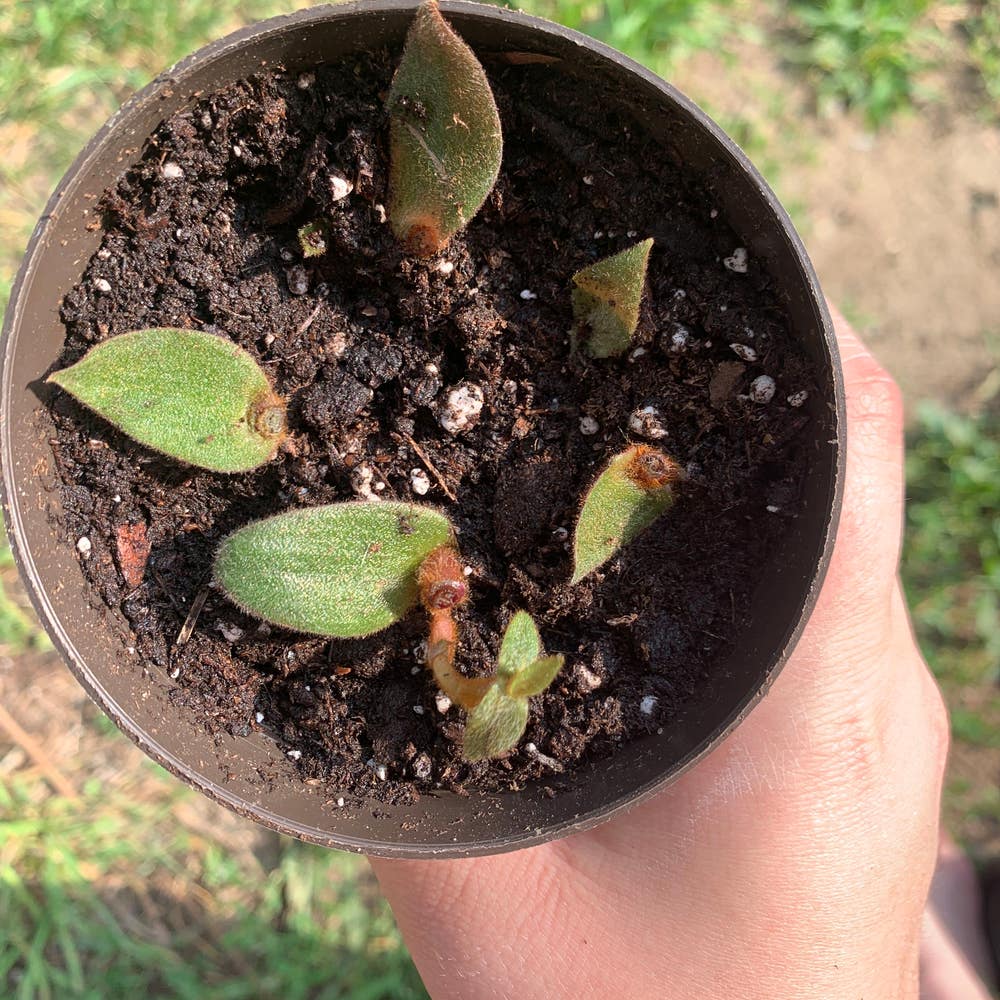
Why Are My Cyanotis villosa Leaves Falling Over?
Cyanotis villosa
By the Greg Editorial Team
Apr 22, 2024•4 min read
This article was created with the help of AI so we can cover more plants for you. May contain errors. See one? Report it here.
- Overwatering and underwatering both lead to droopy Cyanotis villosa leaves.
- 🌞 Bright, indirect sunlight and consistent temperatures keep leaves perky.
- Regular care and check-ups prevent pests, diseases, and droopiness.
When Water Works Against You
🌊 Overwatering and Root Rot
Overwatering is the silent killer of Cyanotis villosa, leading to mushy leaves and root rot. Drainage is key; ensure pots have unobstructed holes. If the soil feels like a wet sponge, it's time to intervene. Cut back on watering and consider repotting with fresh, well-draining soil.
🏜️ Underwatering and Thirsty Leaves
Neglecting to water can leave your Cyanotis villosa as droopy as an overcooked noodle. The top inch of soil should be your moisture meter; dry to the touch means it's time to water. Give your plant a thorough drink, allowing excess water to drain, and watch for signs of revival.
It's Getting Hot in Here: Light and Temperature Troubles
🌞 Too Much Sun or Not Enough?
Bright, indirect sunlight is the sweet spot for Cyanotis villosa. Direct rays can lead to a plant meltdown, with leaves that look like they've been through a desert trek. On the flip side, too little light turns your plant into a slacker, with leaves that can't be bothered to stand up straight. Aim for a lighting situation that mimics a lazy afternoon, not a midday scorcher.
🌡️ Temperature Swings
Keep the thermometer steady; Cyanotis villosa isn't chasing the thrill of temperature roller coasters. Sudden changes in the environment are like unexpected plot twists – they're not welcome. Maintain a consistent, plant-friendly temperature, steering clear of drafts and direct heat sources. Think of it as setting the thermostat for a guest who's always slightly chilly – you want them to be comfortable, not reaching for a sweater or a fan.
The Ground Beneath: Soil and Nutrition
🚰 Drainage Dilemmas
Root health is non-negotiable. Soggy soil is a silent killer, suffocating roots and leading to the dreaded droop. Drainage holes in pots are your first line of defense. If your soil's clumping, it's time to intervene.
Mix in materials like perlite or sand to combat compaction. Think of it as giving your plant's roots room to breathe. Remember, good drainage is the shield against overwatering mishaps.
🍽️ Feeding Finesse
Nutrient deficiencies turn leaves lackluster faster than you can say "photosynthesis." A balanced fertilizer is your go-to. But don't overdo it—over-fertilizing is like fast food for plants, tempting but harmful.
Regular soil tests can reveal what's missing. Then, it's a simple matter of serving up a balanced meal tailored to your plant's needs. Think of it as a gourmet meal that keeps leaves lively and aloft.
Unwanted Guests: Pests and Diseases
🐛 Bug Battles
Pests are silent saboteurs of Cyanotis villosa. Spider mites and aphids suck the life out of leaves, causing them to flop. A strong blast of water can knock these critters off their feet, while insecticidal soap or neem oil delivers a knockout punch. For an eco-friendly tactic, deploy ladybugs, nature's own pest control agents.
🦠 Disease Defense
Diseases can be stealthy leaf droopers. Fungal foes thrive in moist conditions, turning leaves into droopy disappointments. Regular check-ups are crucial for early detection. If you spot trouble, isolate the plant to stop the spread. Remove diseased foliage and improve air circulation. In dire cases, a dose of fungicide might be the only cure. Remember, dry leaves are happy leaves—avoid overhead watering like it's a bad joke.
Stand Up Tall: Corrective and Preventative Strategies
💧 Water Wisdom
Fine-tuning your watering routine is crucial for the health of your Cyanotis villosa. Overwatering can lead to root rot, while underwatering can cause leaves to droop. Here's how to strike the right balance:
- Check the soil moisture before watering; it should be dry about an inch down.
- Adjust the frequency of watering with the seasons; less in winter, more in summer.
- Aim the water at the base of the plant to avoid wet leaves, which can attract fungi.
- Use tools like a moisture meter to take the guesswork out of when to water.
Consistent Care
Regular maintenance is the bodyguard against droopy leaves. Here's how to keep your Cyanotis villosa standing tall:
- Establish a routine watering schedule, allowing the soil to dry slightly between sessions.
- Ensure stable temperatures and lighting conditions for your plant.
- During growth spurts, use a balanced fertilizer sparingly—think of it as a plant protein shake.
- Regular check-ups can catch issues early, so adjust your care routine as needed.
Remember, your plant isn't just growing—it's living. Water wisely, monitor regularly, and adjust as necessary. Your Cyanotis villosa will thank you with upright, vibrant leaves.
⚠️ Safety First
This content is for general information and may contain errors, omissions, or outdated details. It is not medical, veterinary advice, or an endorsement of therapeutic claims.
Always consult a qualified healthcare professional before using any plant as food, medicine, or supplement.
Never eat any plant (or feed one to pets) without confirming its identity with at least two trusted sources.
If you suspect poisoning, call Poison Control (800) 222-1222, the Pet Poison Helpline (800) 213-6680, or your local emergency service immediately.
Spotted an error? Please report it here.
Ensure your Cyanotis villosa thrives 🌿 with Greg's personalized care reminders, light monitoring, and community advice, all tailored to keep your plant's leaves perky and healthy.