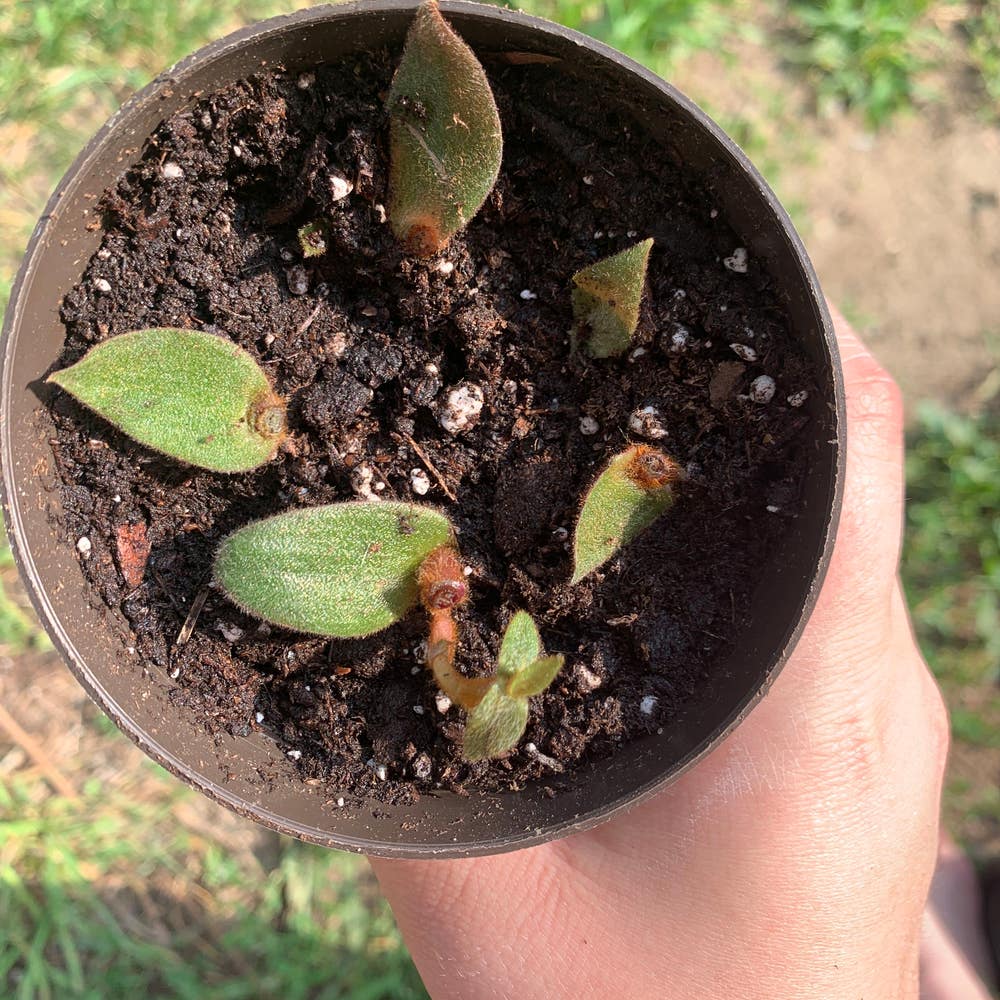
Diagnosing Cyanotis Villosa Root Rot
Cyanotis villosa
By the Greg Editorial Team
Apr 22, 2024•5 min read
This article was created with the help of AI so we can cover more plants for you. May contain errors. See one? Report it here.
- Yellow leaves, wilting, and foul odor signal root rot in Cyanotis Villosa.
- Sterilize tools; prune mushy roots to combat root rot effectively.
- Prevent root rot with well-draining soil and proper watering habits.
Spotting the Red Flags: Symptoms of Root Rot in Cyanotis Villosa
🚩 Visual Clues
Yellowing leaves and wilting are the plant's SOS signals. If your Cyanotis villosa looks more like a sad umbrella than a lush green pillow, it's time to pay attention. Discoloration and a texture shift in the roots are the equivalent of a flashing check-engine light. Healthy roots boast a firm and white appearance, not a soggy, brown mess.
👃 Sniff Test
Your nose knows. A whiff of the soil should be earthy, not reminiscent of a forgotten gym sock. If a foul odor invades your nostrils, it's likely that root rot has made itself at home. This isn't just a bad day for your plant—it's an olfactory red flag demanding immediate attention.
✋ Touch and Tell
Get hands-on and feel the roots. They should be as firm as your resolve to keep plants alive, not mushy like overripe fruit. If the roots crumble with a gentle squeeze, consider this your call to action. Root rot is the uninvited guest turning your plant's roots into a squishy disaster.
Getting to the Root of the Problem: Diagnosis Techniques
🌱 Root Inspection
Sterilize your tools before you begin; think of it as hygiene for plant health. Gently unearth your Cyanotis villosa, taking care not to damage the roots. Healthy roots should be firm and white, not soft or brown. If they're more mush than might, it's time for action.
🍄 Fungal Foes
Fungi are the silent assassins of the plant world. They thrive in wet conditions and can turn your plant's roots into a disaster zone. Use a hand lens or microscope to spot any fungal signs like mycelia or sclerotia. If you're not sure what you're dealing with, a soil test can pinpoint the fungal culprits.
First Aid for Roots: Immediate Treatment Measures
🌱 Cleaning Up
Pruning the Rotten Away
First, stop watering your Cyanotis villosa. Overhydration is the enemy. Gently remove the plant from its pot, like you're handling a fragile heirloom. Shake off the old soil and lay your eyes on the roots. Healthy ones will look firm and white, while the bad ones are mushy and brown. Now, it's time for some tough love. Sterilize your pruning shears with alcohol or a bleach solution, because you're about to perform a root-ectomy. Snip away the rotten parts with the precision of a skilled surgeon. No mercy for the mushy.
🧼 Wash and Disinfect
After the amputation, it's time to clean the remaining roots. Be as gentle as a whisper, washing away any lingering soil and potential pathogens. This isn't a bubble bath; be thorough but swift. Let the roots air out briefly. Fresh air is good, but don't turn this into a drying marathon.
Soil Swap
Fresh Soil, Fresh Start
Discard the old soil like last year's fashion. It's contaminated. Choose a well-draining soil mix; think of it as a fluffy new bed for your plant's roots. If you're mixing your own, add perlite or sand to the party. It's all about creating a breathable environment.
Repotting with Precision
Select a pot with drainage holes like it's your plant's lifeline—because it is. Resist the urge to water immediately after repotting. Give the roots some time to settle into their new home. It's like moving day; nobody wants a flood in their new place.
Remember, these steps are the CPR for your Cyanotis villosa's roots. Quick and precise action can turn the tide in this underground battle.
Battling the Invisible Enemy: Fungal Control Strategies
🍄 Going Fungicidal
Timing is everything when reaching for fungicides. Use them as a precise counterattack, not a blanket solution. Systemic fungicides are absorbed by the plant, fighting fungi from the inside. Protectant fungicides, on the other hand, act as a barrier, warding off spores before they settle. Apply as directed, and remember, overuse is a recipe for resistant fungi.
🌿 Natural and Biological Remedies
Biological controls can be your covert operatives in the fungal war. Introducing beneficial organisms, like mycorrhizal fungi, can boost your plant's defenses. Natural fungicides, such as neem oil or a baking soda mixture, offer a gentler approach. Consistency with these remedies is key, but always monitor your plant's response—what works for one may not work for all.
Keeping Root Rot at Bay: Long-term Prevention Tactics
💧 Water Wisdom
Adjusting watering habits is crucial for Cyanotis villosa's health. Overwatering is a fast track to root rot. Check the soil before watering; if the top inch is dry, it's time to water. Ensure thorough drainage—water should never pool at the bottom.
🌱 Pot and Soil Perfection
Selecting the right pot and soil mix is like choosing armor for your plant. Well-draining soil is a must, and pots must have drainage holes. Consider adding perlite or sand to the mix for increased aeration. Compacted soil is the enemy; it should feel loose and crumbly, allowing roots to breathe and water to flow freely.
⚠️ Safety First
This content is for general information and may contain errors, omissions, or outdated details. It is not medical, veterinary advice, or an endorsement of therapeutic claims.
Always consult a qualified healthcare professional before using any plant as food, medicine, or supplement.
Never eat any plant (or feed one to pets) without confirming its identity with at least two trusted sources.
If you suspect poisoning, call Poison Control (800) 222-1222, the Pet Poison Helpline (800) 213-6680, or your local emergency service immediately.
Spotted an error? Please report it here.
Prevent root rot 🌱 in your Cyanotis villosa by letting Greg remind you when to water and how to keep the soil healthy, ensuring your plant thrives without the guesswork.