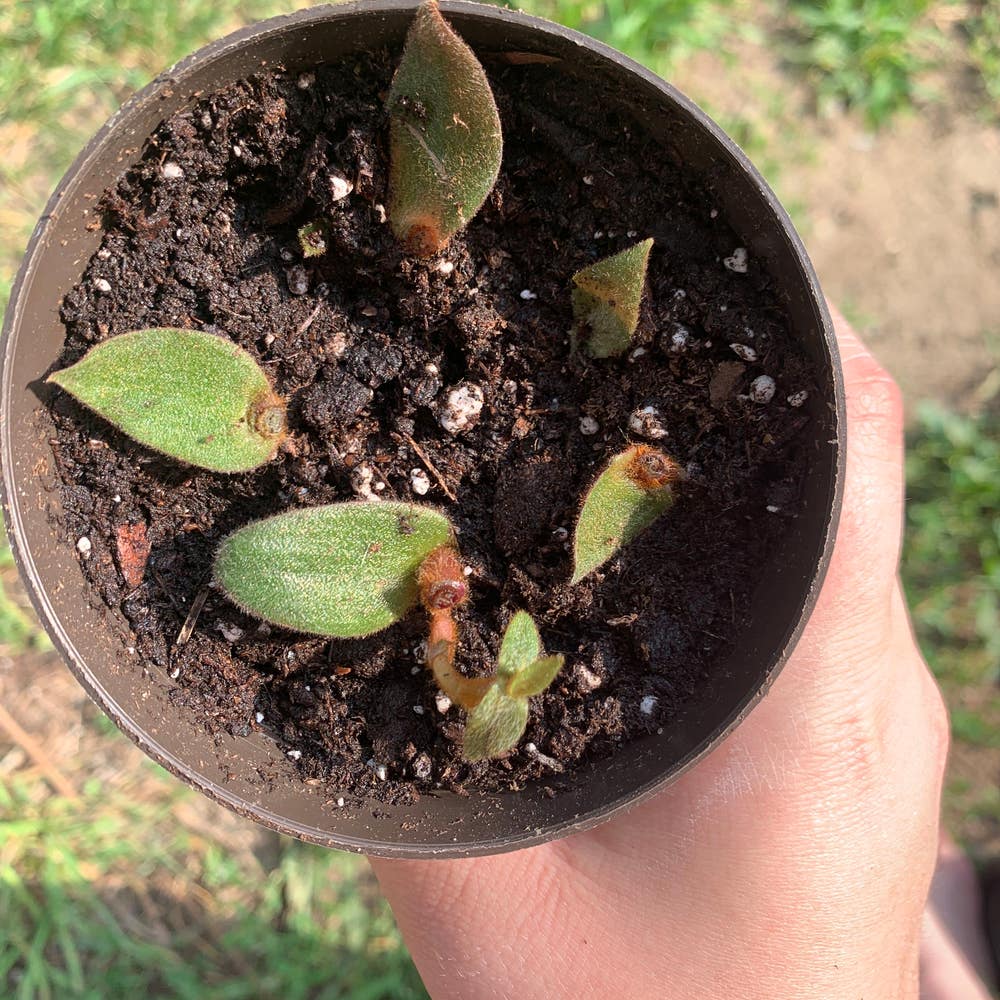
Cyanotis villosa - Fertilizing 101
Cyanotis villosa
By the Greg Editorial Team
Apr 22, 2024•4 min read
This article was created with the help of AI so we can cover more plants for you. May contain errors. See one? Report it here.
- N-P-K ratio matters: 10-30-20 for vibrant Cyanotis villosa blooms.
- Fertilize with the seasons: Spring and summer for growth, less in dormancy.
- Over-fertilization fix: Flush soil, prune, and pause fertilizing for recovery.
Picking the Perfect Fertilizer for Fabulous Flowers
💡 Understanding Nutrient Ratios for Blooming
N-P-K ratios are non-negotiable for Cyanotis villosa's blooming success. Nitrogen (N) promotes leaf growth, Phosphorus (P) is pivotal for blooms, and Potassium (K) supports overall plant health. A 10-30-20 blend is often recommended, with phosphorus taking the lead to encourage those vibrant flowers.
Micronutrients like calcium, iron, and zinc might not get the limelight, but they're crucial. They ensure the N-P-K trio works effectively, fostering plant vigor and enhancing bloom quality.
💭 Organic vs. Synthetic: What's Best for Your Blooms?
Organic fertilizers are like a slow-release energy bar, feeding your Cyanotis villosa steadily over time. They improve soil structure but require patience for results. Synthetic options, on the other hand, are the plant equivalent of an energy drink—fast-acting and precise.
Choosing between organic and synthetic boils down to your plant's needs and your gardening style. If your Cyanotis villosa is looking lackluster, a synthetic boost might be in order. But for long-term health, organic might be the way to go.
Remember, whether you opt for organic or synthetic, balance is key. Overdoing it can lead to nutrient burn, turning your blooming aspirations to dust. Stick to the recommended ratios and watch your Cyanotis villosa thrive.
Timing is Everything: When to Fertilize for Peak Performance
🔄 Syncing with the Growth Cycle
Cyanotis villosa has distinct growth and dormancy periods. To maximize blooming, align fertilization with these cycles. During the active growth phase, typically spring and summer, your plant is in beast mode, hungry for nutrients. This is the time to fertilize regularly, supporting the plant's energy demands. As fall approaches, it's time to taper off; your plant is winding down and preparing for its restful dormancy period.
📅 Seasonal Smarts: Fertilizing Through the Year
Spring is your green light for fertilization. It's like the plant's throwing open its doors, ready for a feast of nutrients. Keep the fertilization party going through summer to support vigorous growth and prepare for blooming. As the autumn leaves fall, it's a signal to slow down; your plant's appetite is waning. In winter, it's the chill zone—ease off the fertilizers. Overdoing it now would be like offering a five-course meal to someone who's already asleep. Remember, less is more—consistency is key, but always adjust to your plant's response.
The Right Way to Feed Your Furry Friend
💧 Dosage and Dilution: Less is Often More
In the quest for the perfect bloom, precision is key. Overdoing fertilizer is like giving your plant a triple espresso when all it needs is a morning cup of joe. Start with a half-strength solution of the recommended dose to avoid the dreaded nutrient burn. It's a simple rule: measure twice, feed once.
🌱 Application Techniques for Top-Notch Health
Uniformity is the watchword when applying fertilizer to Cyanotis villosa. Whether you're using granular or liquid, ensure it's distributed evenly. This avoids hotspots of nutrients that can lead to root burn. For liquid fertilizers, think of it as watering with purpose—each drop should carry just the right amount of food for your flowery friend.
Blooming Blunders: Recognizing and Rescuing Over-Fertilized Plants
🚩 Spotting Trouble: Symptoms of Over-Fertilization
Yellow leaves waving a distress flag? Brown tips that scream "too much!"? These are the SOS signals of over-fertilization. Cyanotis villosa might be hardy, but it's not immune to nutrient overdose. Look out for a white crust on the soil, a tell-tale sign of excess fertilizer. Wilting with damp soil? It's a classic overfeeding faux pas. And if your blooms are more lackluster than a rainy Monday, you've likely been heavy-handed with the feed.
💊 The Recovery Road: Bringing Your Plant Back to Blooming Health
First aid for your green friend starts with ditching any visible fertilizer. Like a detox, flush the soil with water to wash away the excess—think of it as the plant equivalent of a juice cleanse. Repeat every few days, and watch for signs of recovery. Prune the damaged parts; they're not making a comeback. If things look grim, consider a soil transplant—it's like moving to a new neighborhood for a fresh start. Hold off on the fertilizer; give your plant a three to four-week break to recuperate. Remember, patience is a virtue, especially in plant rehab.
⚠️ Safety First
This content is for general information and may contain errors, omissions, or outdated details. It is not medical, veterinary advice, or an endorsement of therapeutic claims.
Always consult a qualified healthcare professional before using any plant as food, medicine, or supplement.
Never eat any plant (or feed one to pets) without confirming its identity with at least two trusted sources.
If you suspect poisoning, call Poison Control (800) 222-1222, the Pet Poison Helpline (800) 213-6680, or your local emergency service immediately.
Spotted an error? Please report it here.
Ensure your Cyanotis villosa thrives without the risk of nutrient burn by using Greg's tailored reminders for balanced fertilizing 🌱 based on your plant's active growth phase.