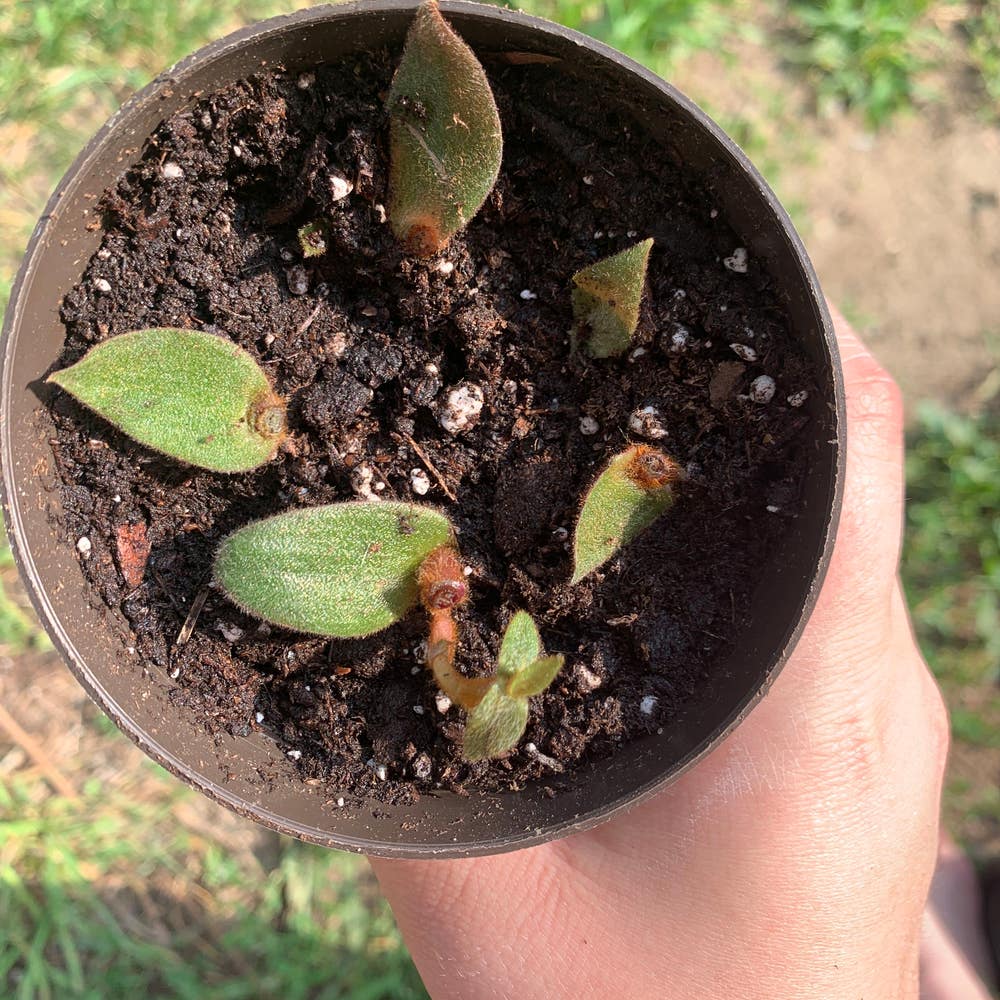
Why Are There Brown Spots on My Cyanotis villosa Leaves?
Cyanotis villosa
By the Greg Editorial Team
Apr 22, 2024•5 min read
This article was created with the help of AI so we can cover more plants for you. May contain errors. See one? Report it here.
- Brown spots signal distress, often due to overwatering or fungal issues.
- Adjust watering and lighting to prevent and address brown spots.
- Prevent and treat fungus with proper airflow, pruning, and sanitation.
Spotting the Trouble: Diagnosing Brown Spots
🕵️♂️ Visual Cues: What Do Brown Spots on Cyanotis villosa Look Like?
Brown spots on Cyanotis villosa are warning signs that demand attention. These spots might appear as tiny dots or evolve into larger, irregular patches. The texture of these spots is a critical clue: they can be crispy and dry or soggy and dark. Often, a yellow halo may surround the spot, suggesting the issue is more than skin deep.
🔄 Timing and Patterns: When and Where Do Brown Spots Typically Appear?
Brown spots can emerge at any time, but they often signal distress when they spread or change in appearance. They may prefer the edges of a leaf or stake a claim near the center. Consistent monitoring is key—check your plant regularly, examining both the tops and undersides of leaves. Spotting patterns, like circular spots or edge-bound blemishes, can lead to quicker diagnoses and prompt action.
Water Woes: Overwatering and Brown Spots
🌧️ The Soggy Truth: How Overwatering Leads to Brown Spots
Overwatering your Cyanotis villosa is like giving it a bath when it just needs a sip. Root rot sets in when roots are too wet for too long, leading to those unsightly brown spots on your plant's leaves. If the soil feels like a wrung-out washcloth, it's a red flag.
💧 Thirsty for Balance: Tips for Perfect Watering Practices
Check the soil before you water—dryness one inch down means go for it; otherwise, hold your horses. Your plant's not a camel, but it doesn't need a daily drink either. In winter, it's more of a light snacker, so ease up on the water.
🔄 Consistency is Key
Like a good skincare routine, stick to a consistent watering schedule. Erratic watering confuses your plant more than a cat in a room full of rocking chairs.
🚰 Drainage is Your Friend
Make sure your pot isn't holding water hostage. Drainage holes are there for a reason—use them. A pot without them is a bathtub with no drain.
📅 Seasonal Smarts
Plants have their own calendar. When it's cooler, they drink less. Adjust your watering to their seasonal lifestyle; don't treat winter like it's a summer drought.
⚖️ Weight Watchers
The weight of the pot can be a giveaway. If it feels like you're lifting weights, it's probably too wet. Light as a feather? Time to water.
💨 Humidity: The Invisible Factor
Remember, humidity is the silent player in this game. Too much, and you're practically throwing a pool party for fungi. Keep it balanced to avoid unwanted guests.
❓ When in Doubt, Dry Out
If you've overdone it with the H2O, let the soil dry out a bit. Move your plant to a breezy spot to speed up the process. It's like a hangover cure for your overwatered buddy.
📏 Moisture Meters and Other Gadgets
If you're the forgetful type or just want to be sure, consider a moisture meter. It's like a fuel gauge for your plant's thirst.
🌱 Pot and Soil Matchmaking
Finally, pair your plant with the right pot and soil. A well-draining mix and a pot that fits like a tailored suit will keep those roots happy and brown-spot-free.
Sunburned or Shaded: Light Issues
🌞 Too Hot to Handle: Recognizing Sunburn-Induced Brown Spots
Crispy and bleached, the brown spots on your Cyanotis villosa are screaming for a break from the sun. If the leaves look like they've been in a tanning bed too long, it's a classic case of sunburn. The side facing the light often gets the worst of it, sporting a suntan gone wrong.
🌅 Finding the Sweet Spot: Ideal Lighting for Cyanotis villosa
Bright, indirect sunlight is the mantra here. Think of sheer curtains as the plant's sunscreen, filtering out the harshness while still letting it soak up that golden glow. Rotate your plant to avoid favoritism; all sides deserve equal light love. As the sun shifts with the seasons, so should your plant's position—keep it moving to keep it grooving.
Fungus Among Us: Tackling Fungal Infections
🕵️ Spotting the Signs: Identifying Fungal Culprits
Brown spots on your Cyanotis villosa's leaves could be the autograph of an uninvited fungal guest. These spots often come with a colorful halo and can progress to fuzzy growth or discolored stems. If you're seeing these symptoms, it's time to play detective and confirm a fungal infection is crashing your plant party.
🧼 Clean and Clear: Preventative Measures and Treatments for Fungal Infections
Airflow is your plant's best friend and fungi's worst enemy. Ensure your Cyanotis villosa isn't marooned in stagnant air; a gentle breeze is like a bouncer, keeping those spore crashers out. When watering, aim for the base—wet leaves are fungi's red carpet.
🌿 Pruning and Sanitation
Caught a fungal rave on your leaves? Prune those infected areas with sterilized shears—precision is key. Think of it as excising the bad vibes from your plant's life. Cleanliness isn't just next to godliness; it's essential plant care.
🛡️ Choosing the Right Fungicide
When the fungus is stubborn, copper-based fungicides are the old guard—reliable and steadfast. But don't just splash it on; apply it like you're painting a masterpiece. Read the label; it's not a suggestion, it's the rulebook.
🌱 Cultural Practices
Boost your plant's lifestyle. Dryness is crucial—keep those leaves as moisture-free as possible. Rotate your fungicides to keep the pathogens guessing—it's like changing passwords, but for plants. Remember, prevention is better than cure, so keep your eyes peeled for early signs of fungal gatecrashers.
⚠️ Safety First
This content is for general information and may contain errors, omissions, or outdated details. It is not medical, veterinary advice, or an endorsement of therapeutic claims.
Always consult a qualified healthcare professional before using any plant as food, medicine, or supplement.
Never eat any plant (or feed one to pets) without confirming its identity with at least two trusted sources.
If you suspect poisoning, call Poison Control (800) 222-1222, the Pet Poison Helpline (800) 213-6680, or your local emergency service immediately.
Spotted an error? Please report it here.
Banish those brown spots 🍂 on your Cyanotis villosa by letting Greg tailor a watering plan that keeps your plant's leaves spotless and healthy!