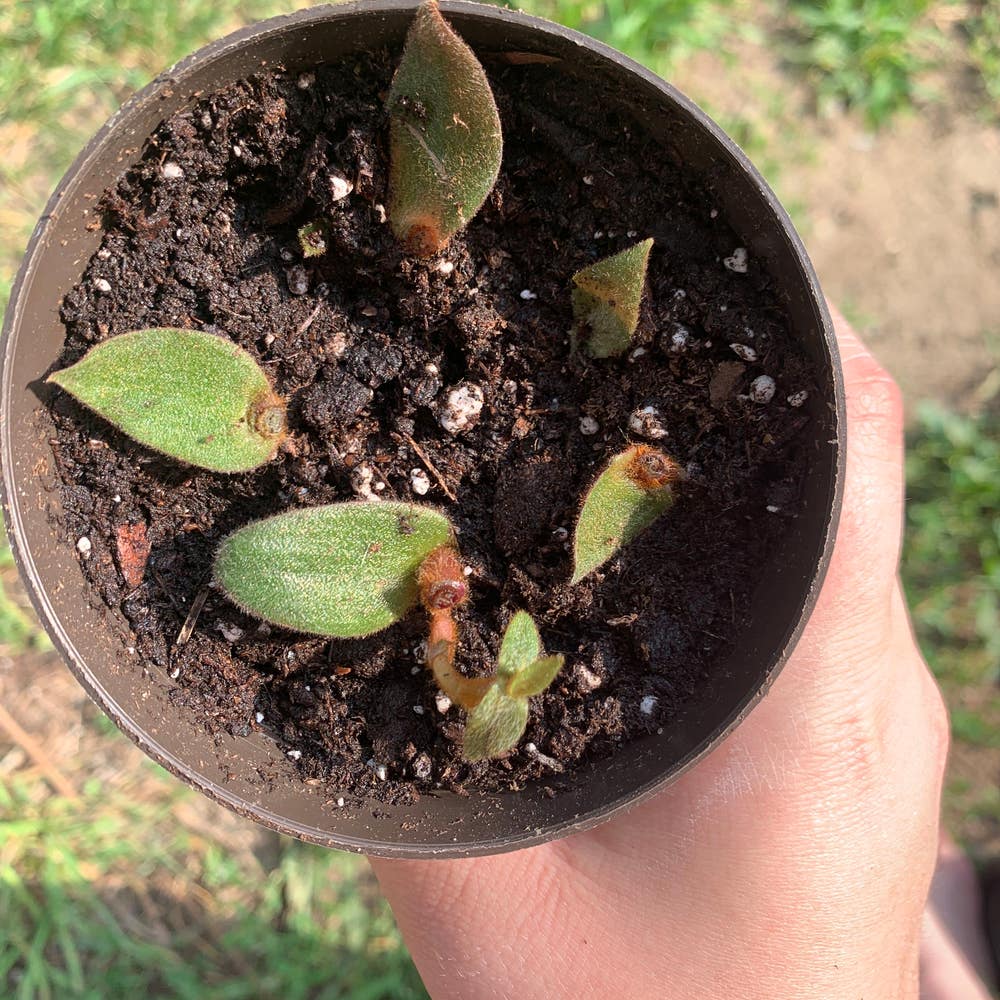
Why Are My Cyanotis villosa Leaves Dropping?
Cyanotis villosa
By the Greg Editorial Team
Apr 22, 2024•4 min read
This article was created with the help of AI so we can cover more plants for you. May contain errors. See one? Report it here.
- Water wisely: Over/underwatering causes leaf drop; use moisture meters for accuracy.
- 🌤️ Bright, indirect light: Prevents bleached or weakened leaves.
- Consistent climate: Stable temperature and humidity keep leaves attached.
Pinpointing the Culprits Behind the Leaf Drop
💧 Water Woes: Too Much or Too Little
Overwatering can turn your Cyanotis villosa's leaves yellow and make stems mushy, a sign they're practically drowning. Underwatering, on the other hand, leaves them dry and wilted, as if thirsting for a single drop. The soil should feel like a wrung-out sponge—not a swamp, and certainly not a desert.
🌞 Light and Shadow Play
Finding the Goldilocks zone for your plant is crucial; too much light scorches, too little weakens. Look for the telltale signs: leaves that are bleached or reaching out as if begging for sunlight. The right spot will have bright, indirect light, where your plant can bask without the risk of a sunburn.
🌡️ Climate Control: Temperature and Humidity
Your Cyanotis villosa can throw a fit if the temperature and humidity aren't just right. Watch for signs of stress like leaves curling as if trying to escape the heat, or dropping off as if giving up in cold. Strive for environmental consistency—a stable microclimate where your plant can thrive without throwing a leafy tantrum.
First Aid for Fallen Leaves
💧 Resuscitating with Right Watering
Adjusting your watering routine is crucial. Embrace the soak-and-dry method: water thoroughly when the top inch of soil feels dry, then let it be until the next watering. This mimics a natural rainfall pattern your Cyanotis villosa can vibe with.
Tools and tricks for perfect watering include moisture meters or the trusty finger test. Consistency is key, so set reminders if you must. Overwatering is a no-no; it's like forcing your plant to wear a wet sweater—uncomfortable and unhealthy.
🌞 Let There Be (Optimal) Light
Finding the sweet spot for sunlight exposure means bright, indirect light; think of it as your plant's favorite chill zone. Rotate your Cyanotis villosa occasionally to ensure all sides get their time in the limelight.
If your plant's leaves are dropping like flies, consider moving it to a better-lit area. But remember, direct sunlight is the enemy—it's like a bad tan, too much and you're burnt.
🌡️ Balancing the Elements: Temperature and Humidity
Creating a stable microclimate for your Cyanotis villosa is about avoiding extremes. Keep it away from drafts, heaters, and air conditioners. Your plant doesn't appreciate sudden temperature changes any more than you enjoy stepping out of a warm shower in winter.
Seasonal adjustments are part of plant parenthood. In winter, dial down the watering and watch the humidity. In summer, ensure it's not roasting. Your plant's comfort zone is your mission, should you choose to accept it.
Proactive Plant Parenting
📅 Crafting a Care Schedule
Regular care is non-negotiable for the well-being of your Cyanotis villosa. Establish a routine for watering, feeding, and pruning that aligns with the plant's growth cycle and seasonal changes. Consistency is key; it's like setting an alarm for plant health.
- Watering: Check soil moisture weekly, watering only when the top inch is dry.
- Feeding: Fertilize during the growing season, reducing frequency in winter.
- Pruning: Trim away yellow or damaged leaves to focus energy on healthy growth.
👀 Keeping a Watchful Eye: Regular Monitoring for Early Signs of Trouble
Stay vigilant. Regular check-ups can catch issues before they escalate. Look for signs like wilting or discoloration, and act swiftly to address them.
- Visual Inspections: Make it a habit to examine your plant closely.
- Adjustments: Be ready to tweak your care routine in response to what you observe.
🏃 The Long Game: Ongoing Prevention
Long-term plant health hinges on proactive strategies. It's about the marathon, not the sprint.
- Seasonal Adjustments: Less water in winter, more in summer, and always mindful of light exposure.
- Pest Patrol: Regularly inspect for pests, early detection can save your plant.
- Environmental Stability: Aim for consistent temperature and humidity levels.
🌱 When to Seek Professional Help or Advice
Sometimes, despite your best efforts, you might need an expert. If you're stumped by persistent problems, don't hesitate to seek professional advice. It's like having a plant guru in your corner.
- Consultations: Reach out to local nurseries or online plant communities.
- Workshops: Attend workshops to expand your plant care knowledge.
⚠️ Safety First
This content is for general information and may contain errors, omissions, or outdated details. It is not medical, veterinary advice, or an endorsement of therapeutic claims.
Always consult a qualified healthcare professional before using any plant as food, medicine, or supplement.
Never eat any plant (or feed one to pets) without confirming its identity with at least two trusted sources.
If you suspect poisoning, call Poison Control (800) 222-1222, the Pet Poison Helpline (800) 213-6680, or your local emergency service immediately.
Spotted an error? Please report it here.
Keep your Cyanotis villosa thriving with just-right watering 💧 using Greg's custom reminders, ensuring no more dropped leaves from environmental stress.