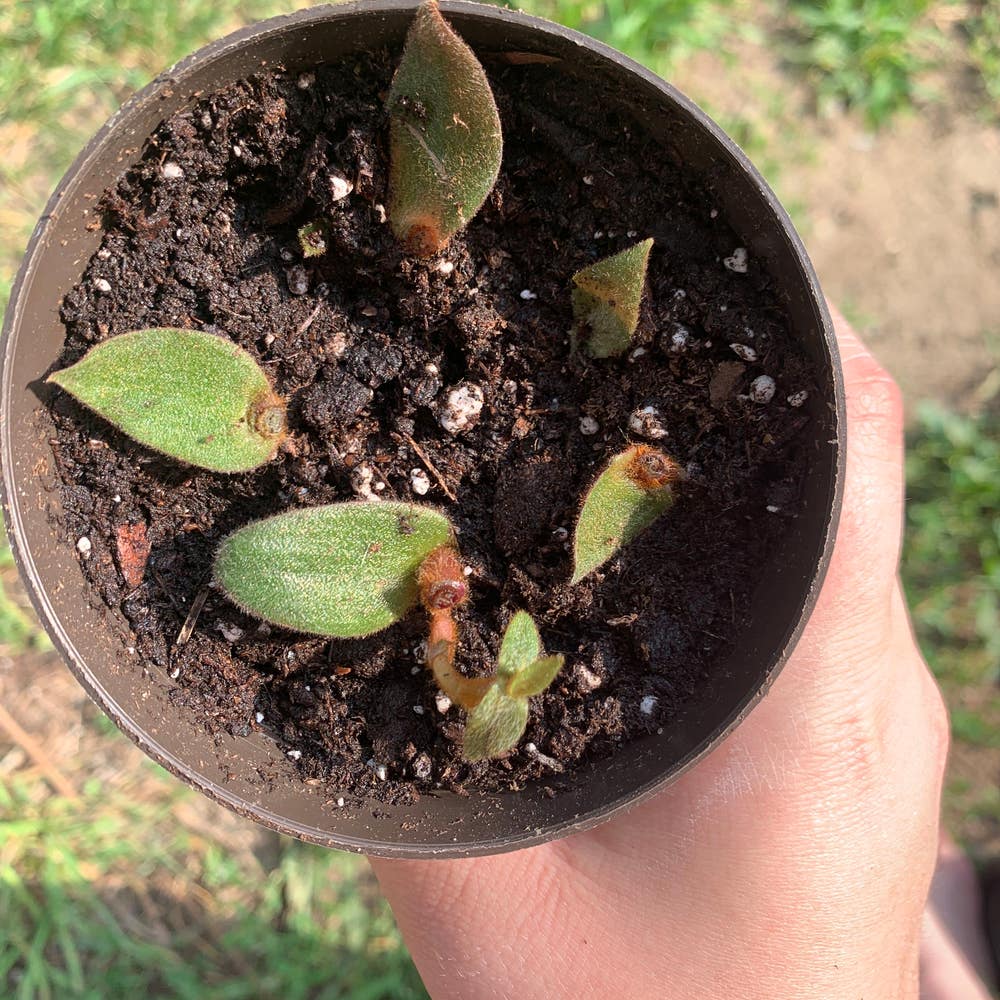
How Much Should I Water My Cyanotis villosa?
Cyanotis villosa
By the Greg Editorial Team
Apr 22, 2024•3 min read
This article was created with the help of AI so we can cover more plants for you. May contain errors. See one? Report it here.
- 🌱 Seasons change, so does watering - less in winter, more in summer.
- 🌡️💧 Humidity, temperature, air flow affect your plant's thirst.
- 🚿 Find the sweet spot: check top inch of soil, water slowly.
When to Water: Reading Your Plant's Thirst
🌧️ Seasonal Shifts and Watering Frequency
Your Teddy Bear Vine's thirst fluctuates with the seasons. In the summer, it's all about keeping the soil moist as the heat ramps up the plant's water needs. Winter, on the other hand, is the time for restraint; think of it as your plant's hibernation period, where less is more.
🌡️ Environmental Impact on Thirst Levels
Humidity and temperature aren't just weather talk—they're critical to your Cyanotis villosa's well-being. A humid room can mean less frequent watering, while a dry, warm environment might have you reaching for the watering can more often. Air circulation also plays a role; stagnant air can lead to moisture-related issues.
🏢 Adapting to Indoor Climate Control Variations
Indoor climate control can throw a wrench in your watering routine. Cranked up heaters will sap the moisture right out of the pot, while air conditioning might slow down the soil's drying time. Keep an eye on these factors and adjust your watering to strike that perfect moisture balance.
Spotting the Signs: Too Much or Too Little
💧 Telltale Signs of Overwatering
Yellowing leaves are the plant's way of waving a caution flag. If the foliage feels as swollen as it looks, you're dealing with overhydration. Soil that's soggier than a wet sponge signals it's time to hold back on the water. When roots get mushy, it's a race against time—trim the rot and repot to give your plant a fighting chance.
🏜️ Underwatering SOS
A thirsty Teddy Bear Vine will have leaves as dry and curled as autumn foliage. If the soil is as parched as a desert, your plant is sending an SOS. Crispy leaf edges are a cry for help—time to up the watering frequency. Remember, your plant craves a consistent sip, not an occasional gulp.
The Watering Sweet Spot
💧 Perfecting Your Pour
To nail the hydration sweet spot, think like a barista crafting the perfect espresso shot. Check the top inch of soil; if it's dry, your Cyanotis villosa is ready for a drink. Water slowly at the base, avoiding a leafy shower that could lead to fungal parties.
🌱 Soil and Pot Considerations
Your plant's home matters. Choose a pot that's like a good pair of jeans: snug but with room to grow. Terracotta or ceramic materials are your allies, naturally wicking away extra moisture. Ensure the pot has drainage holes; they're like a safety net for your watering routine.
For soil, aim for a mix that's the life of the party—peat, perlite, and sand. This trio keeps the roots happy, allowing water to flow through while saying no to root rot. It's like a balanced diet for your plant, nutritious yet not clingy.
Troubleshooting Common Watering Mistakes
💦 Quick Fixes for Overzealous Watering
Overwatering can turn your Cyanotis villosa's home into a swamp. If you've been a bit too generous with the H2O, here's how to dry things out:
- Stop watering immediately and let the soil surface dry.
- Check for drainage; if inadequate, consider repotting with a well-draining mix.
- Trim any rotten roots to prevent decay from spreading.
- Monitor the plant's environment for proper light and humidity levels.
💧 Reviving a Parched Plant
Underwatering leaves your plant gasping for moisture. To bring your Cyanotis villosa back from the brink:
- Gradually increase watering frequency, ensuring the soil gets evenly moist.
- If the soil is bone-dry, soak the pot in a tray of water to rehydrate evenly.
- Consider repotting if the plant is root-bound, which can cause rapid drying.
- Always check the top inch of soil before watering; if it's dry, it's time to quench.
⚠️ Safety First
This content is for general information and may contain errors, omissions, or outdated details. It is not medical, veterinary advice, or an endorsement of therapeutic claims.
Always consult a qualified healthcare professional before using any plant as food, medicine, or supplement.
Never eat any plant (or feed one to pets) without confirming its identity with at least two trusted sources.
If you suspect poisoning, call Poison Control (800) 222-1222, the Pet Poison Helpline (800) 213-6680, or your local emergency service immediately.
Spotted an error? Please report it here.
Find your Cyanotis villosa's watering sweet spot 🌿 with Greg's personalized reminders, adapting to seasons and your home's unique environment for a thriving plant pal.