Why Are My Cyanotis villosa Leaves Droopy?
Cyanotis villosa
By the Greg Editorial Team
Apr 22, 2024•5 min read
This article was created with the help of AI so we can cover more plants for you. May contain errors. See one? Report it here.
- Droopy leaves signal distress; don't ignore wilting or discoloration.
- Balance water and light; avoid over/underwatering and rotate for even light exposure.
- Consistent care prevents droopiness, including proper temperature, nutrients, and observation.
Spotting the Signs of Droopiness
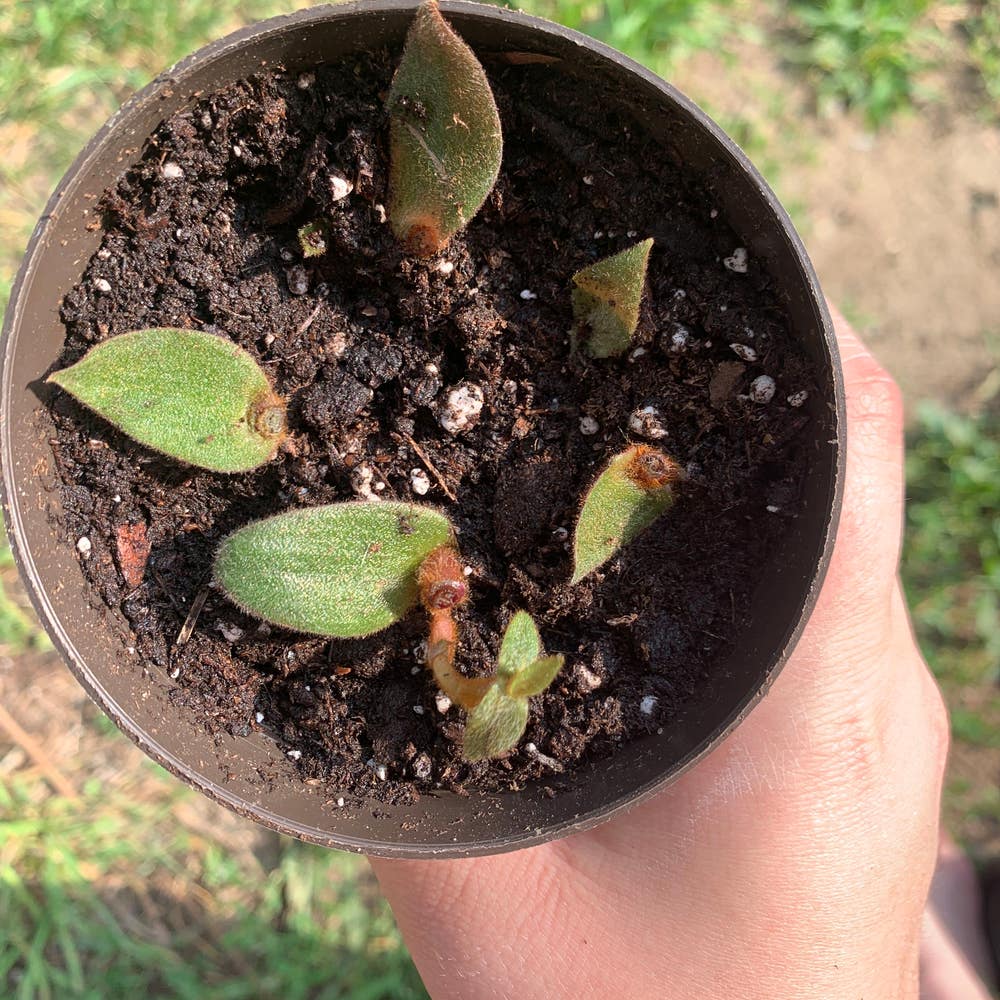
Droopy leaves on your Cyanotis villosa? That's the plant's equivalent of a white flag. Visual cues like leaves that sag or bend towards the floor are your first hint that your green buddy is in distress.
🕵️ Visual Cues: How to Tell if Your Cyanotis villosa is Unhappy
Leaves should be perky, not slouching like they've given up. If they're more limp than a noodle, take note. Wilting is not just a bad posture; it's a cry for help. Regular inspections are crucial. Catching a problem early can mean the difference between a quick fix and a plant funeral.
🚨 Beyond the Droop: Other Symptoms to Watch For
But it's not all about the droop. Discoloration or dryness can signal a silent SOS. Leaves turning from vibrant green to a dull, sickly hue are telling you they're not okay. Pests might be throwing a party, and not the fun kind. Look for sticky residue or tiny webbing. If your plant's leaves perk up at night but wilt by day, it's a telltale sign that your plant is crying out for help.
Water Woes: Walking the Line Between Thirsty and Drowned
🏜️ Underwatering Unraveled
Spotting the Thirst: Signs Your Plant is Parched
Cyanotis villosa leaves drooping like a nodding head in a boring meeting? Check the soil. If the top inch is dry, your plant's begging for a drink. Leaves feeling like brittle paper and looking as sad as a deflated balloon are your cues to act.
Quenching Correctly: How to Hydrate Without Harm
Water your plant like it's savoring a fine wine, slowly and deeply. Let the water reach the roots without flooding the poor thing. Consistency is your friend here; think of watering like a weekly ritual, not a daily chore.
🚰 Overwatering Overhaul
Soggy Soil Sleuthing: Identifying Overwatering
Soil should not cling to your fingers like a needy pet. If it does, you've overdone it. Leaves that feel like a soggy sponge are screaming for help. A plant sitting in water is like a fish out of water—neither will thrive.
Drying Out Do's and Don'ts: Best Practices for Recovery
First, stop watering—let the soil dry like a sunny day after a storm. If the roots are mushier than overcooked pasta, it's time for surgery: trim the rot, repot, and hope for the best. Remember, well-draining soil is like a life jacket for your plant's roots.
Light and Temperature: Finding the Sweet Spot
🌞 Sunlight Solutions
Cyanotis villosa thrives in bright, indirect light. Direct sunlight can be a harsh critic, scorching leaves and causing them to recoil. On the flip side, too little light and your plant might stretch out, seeking a spotlight it can't find. Rotate your plant to ensure an even tan, and consider the shifting angles of sunlight throughout the seasons. It's a bit like adjusting your own position on a sun lounger—except your plant can't move itself.
🌡️ Temperature Tactics
The ideal temperature range for Cyanotis villosa is a cozy 65°F to 75°F during the day, with a slight dip at night. Avoid placing your plant near drafty windows or radiators, as these can create a rollercoaster of temperature changes. Consistency is the name of the game; think of maintaining a climate that's as stable as your favorite coffee shop's ambiance. If your plant starts to throw a fit, it might be time to shuffle it to a more climate-controlled scene.
Feeding Your Foliage: Nutrients and Nourishment
💡 Detecting Deficiencies
Yellowing leaves or stunted growth? Your Cyanotis villosa might be signaling a nutrient SOS. Deficiencies often manifest in discolored or weak foliage, a plant's way of waving a white flag. To decode these distress signals, scrutinize the affected leaves: older, yellowing leaves often point to a lack of nitrogen, while new growth issues can indicate a scarcity of micronutrients.
💡 Fertilizer Fixes
Selecting the right fertilizer is like picking the perfect coffee blend – it should suit your plant's palate. A balanced, water-soluble option usually hits the spot. Remember, moderation is key; stick to the recommended dosage to avoid nutrient burn. Keep a log of your fertilizing forays to track what gets those leaves lush again. If the usual N-P-K (nitrogen, phosphorus, potassium) mix doesn't perk up your plant, consider a micronutrient mingle with elements like iron and manganese. And for the eco-minded, compost or manure can be a slow-release buffet for your green buddy.
Turning the Tide: Proactive Practices to Prevent Droopiness
📅 Consistency is Key
Crafting a care schedule is like setting an alarm clock for plant health. It ensures your Cyanotis villosa gets the right amount of water, light, and nutrients at the right times. Stick to this routine as if your plant's life depends on it—because it does.
👀 Vigilant Observation
Early detection of droopiness can mean the difference between a quick fix and a plant funeral. Keep an eagle eye on your Cyanotis villosa for any subtle changes in leaf texture, color, or posture. Think of it as a plant check-up; catching symptoms early is your best defense against the dreaded droop.
⚠️ Safety First
This content is for general information and may contain errors, omissions, or outdated details. It is not medical, veterinary advice, or an endorsement of therapeutic claims.
Always consult a qualified healthcare professional before using any plant as food, medicine, or supplement.
Never eat any plant (or feed one to pets) without confirming its identity with at least two trusted sources.
If you suspect poisoning, call Poison Control (800) 222-1222, the Pet Poison Helpline (800) 213-6680, or your local emergency service immediately.
Spotted an error? Please report it here.
Ensure your Cyanotis villosa 🌱 never droops again with Greg's personalized care schedules for watering and light—happy plants, happy plant parents!