Why Are My Cyanotis villosa Leaves Mushy?
Cyanotis villosa
By the Greg Editorial Team
Apr 22, 2024•4 min read
This article was created with the help of AI so we can cover more plants for you. May contain errors. See one? Report it here.
- Overwatering and poor drainage lead to mushy Cyanotis villosa leaves.
- 🍄 Fungal infections cause mushiness; look for white or dark spots.
- Reduce watering, improve drainage, and use fungicide for treatment.
Spotting the Trouble: Signs Your Cyanotis villosa Has Mushy Leaves
🍄 Visual Cues: Identifying Mushiness in Leaves
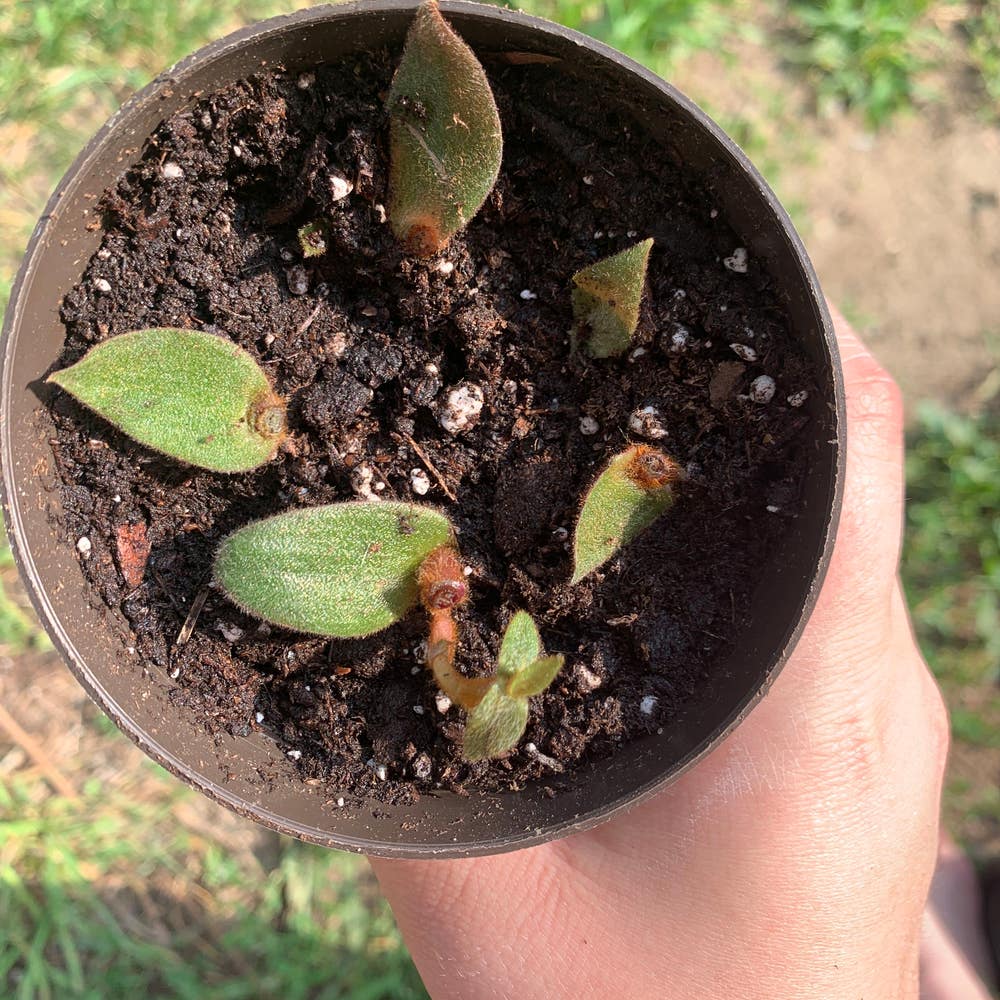
Discoloration is the flashing neon sign that something's amiss. If your Cyanotis villosa's leaves are channeling their inner autumn with yellow or brown hues, they're not prepping for a fall festival—they're in trouble. And if they're giving off the vibe of overcooked spinach, it's time to spring into action.
Leaves should snap back with a gentle squeeze, not squish like a marshmallow. If they crumble under pressure or feel like a damp sponge, you've got a mushy mess on your hands. And let's be real, nobody wants their plant to feel like a horror movie prop.
🕵️ Beyond the Surface: Other Symptoms to Watch For
Stem softness is a critical red flag. It's not just about the leaves; your plant's foundation could be turning into mush. If the stems feel like they've been soaking in water for too long, that's your cue to investigate further.
Foul odor? That's your plant's version of a distress signal. If the aroma is turning heads for all the wrong reasons, you've got more than just a cosmetic issue. It's a plant emergency, and it's time to intervene.
Lastly, keep an eye out for root health. If the roots look more like soggy noodles than firm, white strands, your plant's lifeline is waving a white flag. This isn't just a surface-level issue; it's a root-level SOS that demands immediate action.
Root of the Problem: Pinpointing Causes of Mushiness
💦 Overwatering Woes
Overwatering is the equivalent of an aquatic ambush on your Cyanotis villosa, leading to a mushy mess. Roots suffocate without air, and excess water is the culprit.
To check if you're the overzealous waterer, feel the weight of the pot. Heavy? That's a sign. A soil scent reminiscent of a damp basement is another giveaway.
🚰 Drainage Dilemmas
Poor drainage is the silent partner in the crime against your plant's health. If water pools at the bottom like a mini-lake, you've got a drainage disaster on your hands.
Quick fixes? Ensure your pot has enough holes. If it's as sealed as a jar, it's time for a swap. Consider a gritty mix to prevent the soil from becoming a swamp.
🍄 Fungus Among Us
Fungi are the stealthy invaders in this mushy leaf saga. They thrive in dampness, turning leaves into a soft, discolored mess.
Spot the signs: White powdery substances or dark, sunken spots are the calling cards of fungal fiends. If your plant's leaves look like they're hosting a mold convention, it's time to intervene.
First Aid for Mushy Leaves
💧 Cutting Back on H2O
Overwatering can turn your Cyanotis villosa into a mushy mess. Dial back the hydration by waiting for the top inch of soil to dry out before watering again. Use a moisture meter if you're not keen on the finger test—trust me, it's a game-changer.
🚰 Unblocking the Flow
Poor drainage is like a bad relationship—it just doesn't let go. Revamp your pot's drainage by adding more holes or using a pot with better drainage. Mix perlite or coarse sand into your soil to boost aeration and prevent water from overstaying its welcome.
🍄 Fungicide to the Rescue
When fungi decide to crash your plant party, it's time for fungicide. Go for neem oil for a more natural approach, or a copper-based fungicide when things look grim. Suit up with gloves, follow the instructions to a T, and show those fungi the door.
Keeping Leaves Firm and Healthy
💧 Water Wisdom
Watering your Cyanotis villosa shouldn't be a guessing game. Use a soil moisture meter to take the mystery out of when to water. Remember, the top inch of soil should feel dry before you give it a drink. Adjust your routine with the seasons—less in winter, more in summer.
🏺 The Perfect Home: Pots and Soil
Choosing the right pot is like a matchmaking process for your plant's roots. Ensure it has adequate drainage holes. For soil, strike a balance between moisture retention and drainage. Consider mixing in perlite or peat moss to your potting mix to keep it just right.
🍄 Fungal Foresight
Preventative practices are your best defense against the dreaded mush. Keep the foliage dry and ensure good air circulation around your plant. Quarantine new plants to prevent any unwanted fungal guests. Regularly clean your tools to avoid spreading any potential pathogens.
⚠️ Safety First
This content is for general information and may contain errors, omissions, or outdated details. It is not medical, veterinary advice, or an endorsement of therapeutic claims.
Always consult a qualified healthcare professional before using any plant as food, medicine, or supplement.
Never eat any plant (or feed one to pets) without confirming its identity with at least two trusted sources.
If you suspect poisoning, call Poison Control (800) 222-1222, the Pet Poison Helpline (800) 213-6680, or your local emergency service immediately.
Spotted an error? Please report it here.
Avoid the dreaded mushy leaves on your Cyanotis villosa by letting Greg 🌱 guide your watering schedule for healthier, happier plants.