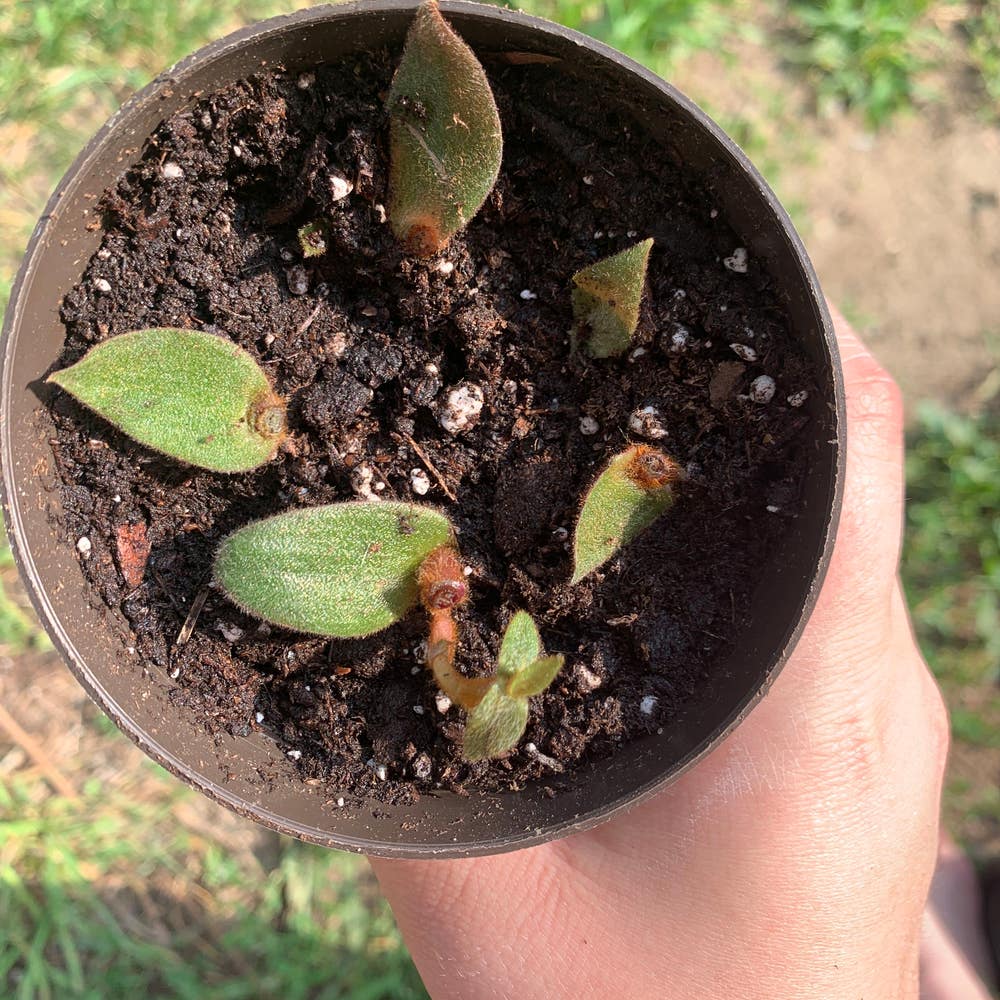
🐞 What Are The Bugs on My Cyanotis villosa?
Cyanotis villosa
By the Greg Editorial Team
Apr 22, 2024•3 min read
This article was created with the help of AI so we can cover more plants for you. May contain errors. See one? Report it here.
- Spider mites and scale - spot with webs/bumps, treat with neem oil/alcohol.
- Fungus gnats, mealybugs, whiteflies - control with soil drenches, traps, sprays.
- Regular inspections, cleanliness, beneficial insects - key to preventing infestations.
Spotting the Invaders: Common Pests on Cyanotis villosa
🕷️ Spider Mites: The Sneaky Sap-Suckers
Tiny webs and speckled leaves are your first clue that spider mites have moved in. These pests are sap-sucking vampires, draining your Cyanotis villosa of its vitality.
Neem oil or a release of predatory mites can be your counterattack. To keep these pests from returning, maintain high humidity and conduct regular plant inspections.
🦠 Scale: The Sticky Freeloaders
Waxy bumps on stems and leaves? That's scale, freeloaders that refuse to pay rent. They're masters of disguise, but their presence is betrayed by sticky honeydew.
Alcohol swabs or horticultural oils can evict these pests. Prevention? It's all about clean leaves for a pest-free life.
🦟 Fungus Gnats and Fruit Flies: The Soil Lurkers
Tiny fliers around your plant are a dead giveaway for fungus gnats or fruit flies. They love overwatered soil like a free buffet.
Combat them with soil drenches or sticky traps. The best defense? Let the soil dry between waterings to cut off their water supply.
The White Battles: Mealybugs and Whiteflies
🐜 Mealybugs: The Cotton Clad Pests
Spotting the White Fluff
Mealybugs are the bane of your plant's existence, setting up their fluffy white encampments in the nooks and crannies of your Cyanotis villosa. Look for cotton-like clusters, particularly where leaves join stems, and prepare for battle.
Wiping Out the White
To eradicate these pests, alcohol is your weapon of choice. Apply it with a cotton swab for precision strikes. Facing an army? Bring out the big guns: insecticidal soap or neem oil sprays. Be relentless; these pests are stubborn.
Vigilance and Cleanliness
Routine checks are your best defense. Keep your plant's environment clean and inspect regularly to prevent these fluffy fiends from staging a comeback.
👻 Whiteflies: The Ghostly Buzzers
Disturbing the Peace
Whiteflies are like tiny ghosts, haunting your plants. They scatter in a cloud when disturbed. Spot them? It's time for action. Look for sticky honeydew or a flurry of white to confirm their presence.
Trapping and Treating
Sticky traps are your first line of defense, capturing the adult buzzers. For the larvae, it's spray time: insecticidal soap or neem oil to the rescue. Consistency is key; these pests don't give up easily.
Quarantine and Quality Checks
New plants go into quarantine. Don't let these invaders spread. Regular quality checks of your plant collection will help nip any potential outbreaks in the bud.
Proactive Pest Control: Prevention and Routine Care
🕵️ Regular Check-ups: The Best Defense Against Pests
Regular inspections are your plant's personal bodyguard. Get up close and personal with your Cyanotis villosa, checking under leaves and near the soil. It's like catching a typo before you hit send—vital for plant health.
🧼 Cleanliness and Care: The Non-negotiables for Pest Prevention
Keep your gardening tools and pots as clean as your conscience. Dirty equipment is a pest's best friend, spreading trouble faster than a viral tweet. Wipe down leaves and clear debris to keep pests from settling in.
🐞 Introducing Allies: Beneficial Insects in Your Plant's Defense
Beneficial insects are nature's hitmen against pests. Introducing allies like ladybugs or lacewings is like hiring your own garden bouncers. They keep the riff-raff out, maintaining the peace in your plant's world.
⚠️ Safety First
This content is for general information and may contain errors, omissions, or outdated details. It is not medical, veterinary advice, or an endorsement of therapeutic claims.
Always consult a qualified healthcare professional before using any plant as food, medicine, or supplement.
Never eat any plant (or feed one to pets) without confirming its identity with at least two trusted sources.
If you suspect poisoning, call Poison Control (800) 222-1222, the Pet Poison Helpline (800) 213-6680, or your local emergency service immediately.
Spotted an error? Please report it here.
Eradicate pests and ensure your Cyanotis villosa is bug-free 🌿 with Greg's tailored care plans and proactive pest management advice!