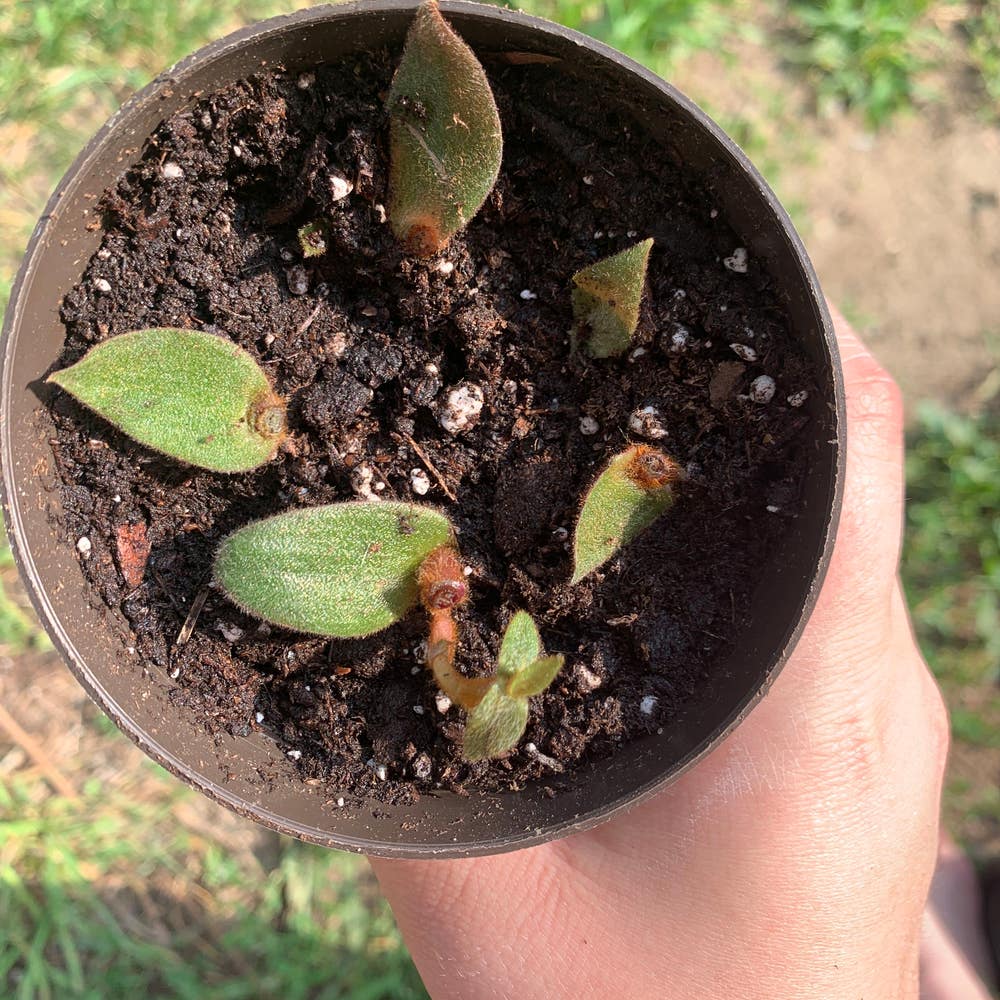
Why Are My Cyanotis villosa Leaves Curling?
Cyanotis villosa
By the Greg Editorial Team
Apr 22, 2024•5 min read
This article was created with the help of AI so we can cover more plants for you. May contain errors. See one? Report it here.
- 💧🌡️ Environmental stress and water imbalance lead to leaf curling.
- 🐛 Pests and fungal infections require targeted treatment to stop curling.
- 🌱 Consistent care and monitoring prevent future leaf curl issues.
Spotting the Curl: Identifying Leaf Curl Issues
🍃 Visual Symptoms of Leaf Curling
Cyanotis villosa leaves should be perky and open, so when they start to curl or roll, it's a visual red flag. Upward curling often signals dehydration, while downward spirals may point to overwatering or pest issues. Keep an eye out for discoloration or texture changes—these subtle shifts can be early distress signals.
🦠 Common Culprits Behind the Curl
Environmental stress is a big player in the leaf curling game. Too much or too little water, dramatic temperature shifts, and incorrect lighting can all make leaves curl. But don't overlook the sneakier villains: pests and diseases. Spider mites and aphids love to feast on plant juices, leaving behind telltale signs like webbing or sticky residue. Fungal infections, on the other hand, can manifest as spots or powdery coatings. Regular inspections are crucial—catching these issues early is the best defense.
The Environmental Enigma: Tackling Stress-Induced Curling
🌞 Light and Temperature Troubles
Cyanotis villosa leaves curling could be shouting for a climate change. Too much light scorches, while not enough has them stretching for the stars. Strike a balance with bright, indirect light—think filtered sunshine, not laser beams.
Temperature swings are like unexpected plot twists for your plant—unwelcome and stressful. Stability is key; avoid placing your plant near drafty windows or heat sources. Consistent temperatures keep leaves from throwing a tantrum.
💦 Humidity Woes
Humidity is the silent player in this leaf-curl drama. Too low, and leaves crisp up like autumn foliage; too high, and you're in a fungal horror story. Aim for a tropical vibe—moist, but not a rainforest.
Creating a humidity haven can be as simple as setting up a pebble tray or running a humidifier. It's like giving your plant a personal spa day, every day. Keep the air comfortably moist, and watch those leaves relax.
The Attack of the Pests and Pathogens
🐛 Bug Battles
In the trenches of plant care, spider mites, aphids, and mealybugs are the usual suspects when it comes to pests. These tiny terrorists can cause Cyanotis villosa leaves to curl as they suck the life out of them. Spider mites are particularly sneaky, leaving behind fine webs as evidence of their feasting. Aphids, the sticky-fingered villains, secrete a gooey residue while pilfering your plant's sap. Mealybugs, resembling tiny cotton clumps, excrete honeydew, leading to sooty mold.
To evict these pests, a strong blast of water can dislodge aphids and mealybugs. For a more targeted approach, insecticidal soap or horticultural oil can be applied with gusto, ensuring every nook and cranny is covered. Spider mites despise moisture, so increasing humidity can help deter them. For a biological warfare strategy, introduce predatory insects like ladybugs or lacewings, which consider aphids a delicacy.
🍄 Fungal Foes
Fungal infections are the party crashers nobody invited. Powdery mildew, botrytis blight, and leaf spot are the main culprits, thriving in damp, stagnant conditions. Powdery mildew appears as a white, powdery coating, while botrytis blight can cause a grey, fuzzy mold. Leaf spot, true to its name, manifests as unsightly spots on foliage.
To combat these fungal foes, start by improving airflow around your Cyanotis villosa. Ensure leaves stay dry, particularly during watering. If the fungal infection has already gatecrashed, consider a fungicide—but choose one that's registered and safe. Apply it with precision, following the label as if it's a sacred text. Remember, prevention is superior to cure, so keep the environment around your plant clean and well-ventilated to avoid repeat offenders.
Water Wonders: Quenching Thirst the Right Way
💧 The Balancing Act
Cyanotis villosa demands a watering routine that's just right. Overwatering can lead to root rot and leaf curl, while underwatering leaves it thirsty and stressed. The key is to water deeply, allowing the top inch of soil to dry out before the next watering. This encourages strong root growth and prevents the leaves from curling in protest.
🚰 Drainage Drama
Good drainage is non-negotiable. Ensure your Cyanotis villosa is potted in a container with adequate drainage holes. Pair this with a well-draining soil mix to avoid water retention that can suffocate roots and cause leaf curl. Remember, soggy soil is a silent killer for these plants.
Curl No More: Prevention and Cure in One
🍃 Adjusting Care Based on Symptoms
Tailoring your care routine is crucial when combatting leaf curl in Cyanotis villosa. When leaves start to curl, it's a clear signal that your plant is not in its happy place.
🌞 Light and Humidity Adjustments
Too much sun can cause leaves to curl as a protective measure. Provide bright, indirect light and consider using a sheer curtain as a buffer. Humidity levels should mimic the plant's natural environment—aim for moist, but not muggy conditions. A pebble tray or humidifier can work wonders here.
🚰 Watering and Nutrition
Watering should be consistent—think of the soil as a wrung-out sponge, moist but not waterlogged. Overfeeding is just as problematic as underwatering. Use a balanced fertilizer sparingly to avoid nutrient overload.
🕵️ Regular Monitoring and Maintenance
Routine checks are the backbone of preventing leaf curl. Like a plant's personal bodyguard, you need to be on the lookout for pests, diseases, and environmental stressors.
🐜 Pest and Disease Vigilance
Keep pests at bay with regular foliage cleaning and introduce beneficial insects if you can. Prune any yellow or brown leaves to prevent disease spread and to encourage growth in healthier areas.
🌡️ Environmental Fine-Tuning
Adjust your care with the seasons. Winter might call for less water, while summer could mean more. Keep an eye on temperature fluctuations and protect your Cyanotis villosa from drafts and sudden changes.
By establishing a consistent care routine and staying vigilant, you can prevent leaf curl and keep your Cyanotis villosa looking as intended—quirky, but definitely not curly.
⚠️ Safety First
This content is for general information and may contain errors, omissions, or outdated details. It is not medical, veterinary advice, or an endorsement of therapeutic claims.
Always consult a qualified healthcare professional before using any plant as food, medicine, or supplement.
Never eat any plant (or feed one to pets) without confirming its identity with at least two trusted sources.
If you suspect poisoning, call Poison Control (800) 222-1222, the Pet Poison Helpline (800) 213-6680, or your local emergency service immediately.
Spotted an error? Please report it here.
Keep your Cyanotis villosa's leaves unfurled and fabulous 🌿 with Greg's personalized care plans that tackle everything from pests to watering woes.