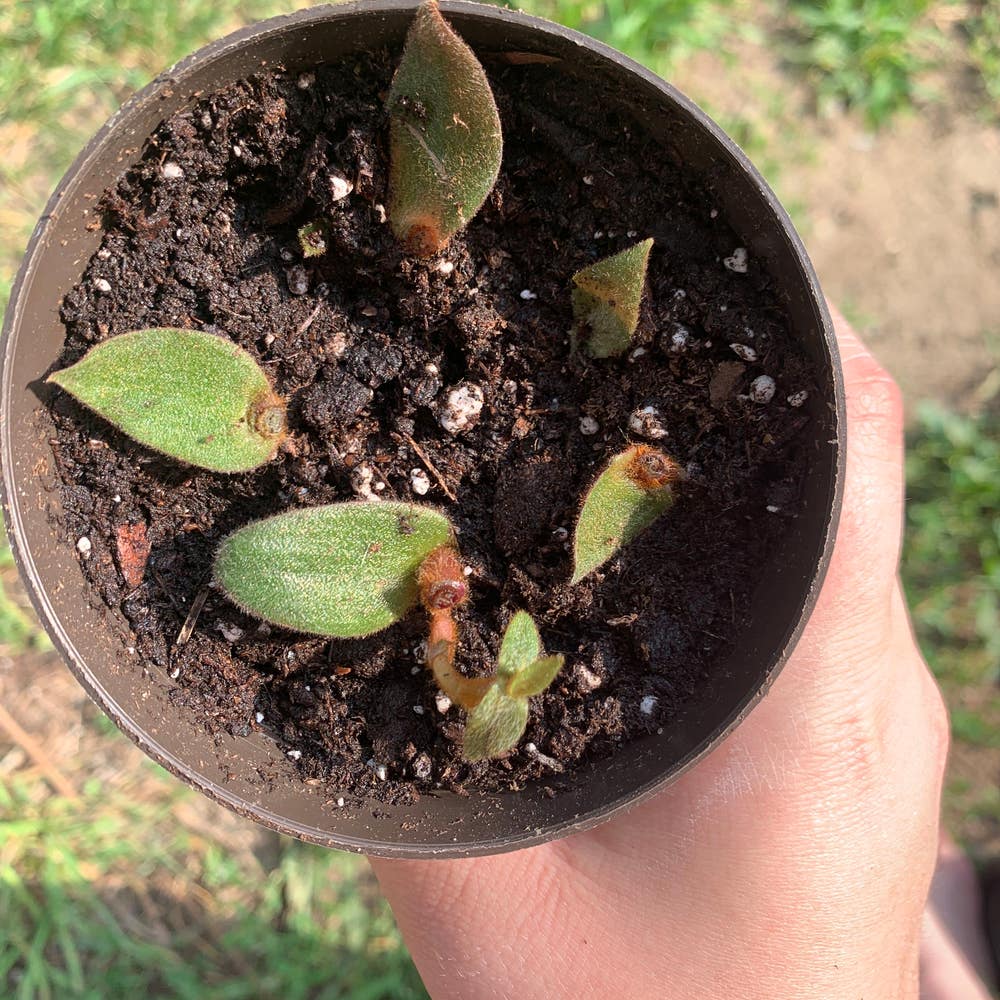
How to Know When to Repot a Cyanotis villosa?
Cyanotis villosa
By the Greg Editorial Team
Apr 22, 2024•4 min read
This article was created with the help of AI so we can cover more plants for you. May contain errors. See one? Report it here.
- Wilting/yellow leaves and root crowding signal it's repotting time.
- Choose a slightly larger, breathable pot like terracotta or ceramic.
- After repotting, water and shade to help your plant acclimate.
Spotting the Tell-Tale Signs for Repotting
🌱 Root Tango: When Roots Out-Dance the Pot
Roots should be the hidden heroes of your Cyanotis villosa, not desperate escape artists. If you spot roots making a break for it through the drainage holes or circling the surface like a track athlete, it's time for a pot upgrade. To check for root crowding without the drama of unpotting, gently lift the plant and peek at the bottom. If it's more root than soil, consider it a green light for repotting.
🌿 Above the Soil: The Plant's Cry for Help
Wilting or yellowing leaves aren't just a bad plant day; they're a distress signal. It's the plant's way of telling you it's not just being dramatic—it needs help. Soil that's more compact than your morning commute or water that drains faster than your will to work out are signs of trouble. These issues often stem from a root system that's too big for its britches, and that means it's repotting time.
The Great Pot Debate: Choosing Your Champion
🌱 Material Matters: Breathability and Drainage
Terracotta pots are the breathable champions, allowing air and moisture to pass through their walls, reducing the risk of overwatering. However, they can be thirsty, necessitating more frequent watering, and may crack in cold weather. Ceramic pots, on the other hand, are less porous when glazed, offering a balance between moisture retention and breathability. They're heavier and could be a workout to move, but their style is undeniable. Plastic pots are lightweight and retain moisture longer, which can be a blessing for drought-tolerant plants but a curse for those susceptible to root rot.
📏 Size and Shape: Room to Grow or a Tight Embrace?
Choosing the right size pot for your Cyanotis villosa is crucial. Opt for a pot that's one size larger than its current home to give it ample space to grow. The shape should complement the plant's rooting pattern; shallow-rooted plants thrive in wider pots that prevent moisture from accumulating at the bottom. Remember, a pot that's too snug can restrict growth, while one that's too spacious may lead to waterlogging.
The Repotting Rendezvous: A Step-by-Step Dance
🌱 Preparing the Stage: Setting Up for Success
Before you begin, gather your materials: a new pot with drainage holes, a premium potting mix, and gloves to keep things tidy. Ensure the new pot is slightly larger than the old one, providing ample space for your Cyanotis villosa to stretch its roots.
Choose the right soil mix; it should be well-draining to prevent waterlogging. A blend of peat, pine bark, and perlite often does the trick for maintaining the perfect moisture balance.
🌿 The Main Event: Transplanting with Care
Water your plant the day before to make the roots more cooperative during the transition. When it's time, tip the pot and gently coax the plant out. If the roots put up a fight, use a knife to loosen their hold.
Inspect the rootball closely. Prune any dead or damaged roots to encourage healthy growth in the new environment. Place the plant in the center of the new pot, ensuring it's neither too deep nor perched too high.
Fill in the gaps with your potting mix, but resist the urge to pack it down. The roots need room to breathe, not a soil straitjacket. Finally, water the plant thoroughly to settle the soil and eliminate air pockets.
Post-Repotting Care: Helping Your Plant Settle In
💦 The First Few Steps: Immediate Aftercare
After a repot, water your Cyanotis villosa to help it settle. But remember, damp is the goal, not a swamp. Keep it in a shaded spot to avoid additional stress from direct sunlight. Hold off on the fertilizer; your plant's roots are too busy adjusting to their new home for a nutrient party.
🌱 Long-Term Success: Encouraging Vigorous Growth
Resume fertilizing after about a month—your plant will be ready to take in nutrients by then. Look out for new growth as a sign of a happy plant. If you spot yellow leaves or a wilted demeanor, reassess your care routine. It's not about coddling; it's about providing the right conditions for your plant to thrive.
⚠️ Safety First
This content is for general information and may contain errors, omissions, or outdated details. It is not medical, veterinary advice, or an endorsement of therapeutic claims.
Always consult a qualified healthcare professional before using any plant as food, medicine, or supplement.
Never eat any plant (or feed one to pets) without confirming its identity with at least two trusted sources.
If you suspect poisoning, call Poison Control (800) 222-1222, the Pet Poison Helpline (800) 213-6680, or your local emergency service immediately.
Spotted an error? Please report it here.
Ensure your Cyanotis villosa thrives in its new pot by letting Greg nudge 🌱 you at the perfect repotting moment for peak plant happiness!