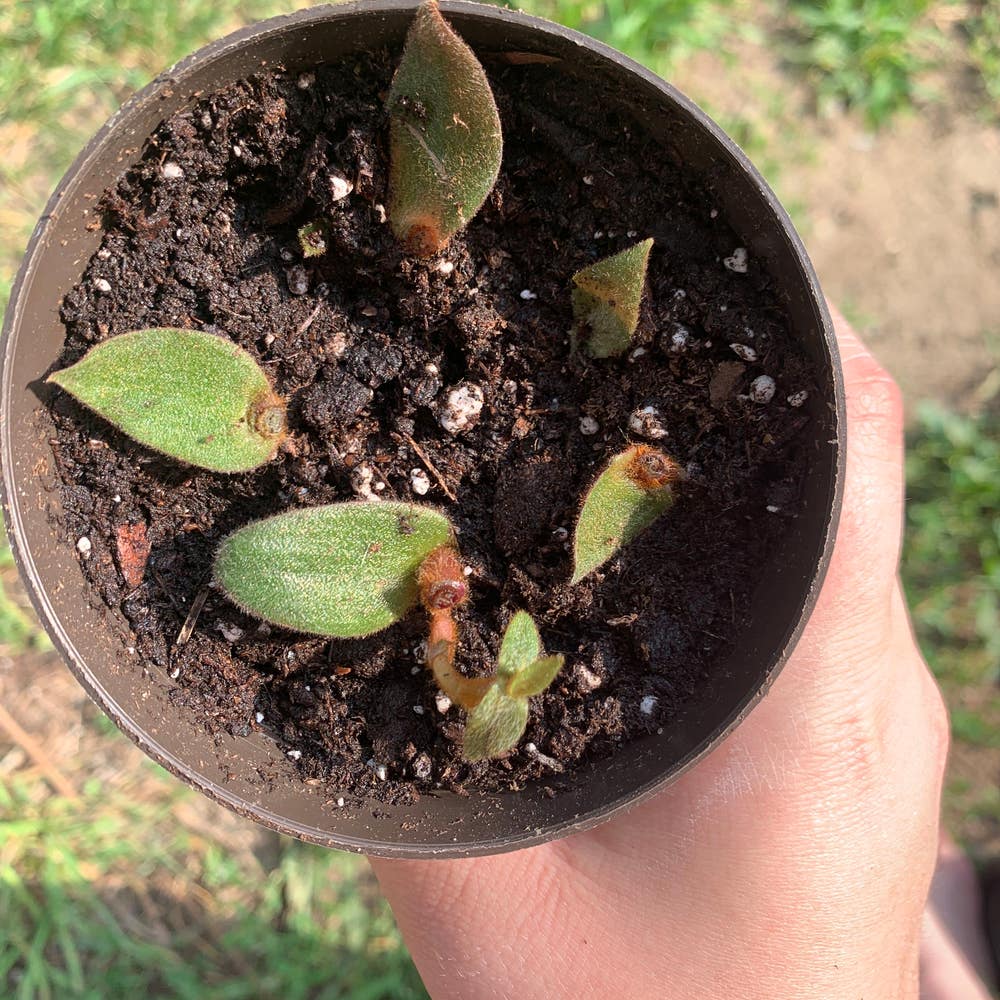
When and Where Should I Trim My Cyanotis villosa?
Cyanotis villosa
By the Greg Editorial Team
Apr 22, 2024•3 min read
This article was created with the help of AI so we can cover more plants for you. May contain errors. See one? Report it here.
- Post-flowering pruning sets up future vibrant growth.
- Trim during active growth for a robust, full plant.
- Keep tools sharp and clean to prevent disease, encourage vigor.
Timing Your Trims: When to Prune Cyanotis villosa
🌸 Post-Flowering Pruning
After the final bloom fades, it's prime time to prune your Cyanotis villosa. This post-flowering phase is not just about cleanup; it's a critical moment to set the stage for future growth. Pruning now prevents the plant from expending energy on spent blooms and redirects it towards fostering new, vibrant growth.
🌱 Active Growth Phase Cuts
Identify the active growth phase of Cyanotis villosa by observing new shoots and leaves. Trimming during this period is like a growth steroid; it encourages the plant to become more robust and full. Strategic cuts in this phase can significantly enhance the overall health and vigor of your plant.
Where to Make the Cut: Pruning Locations
🌱 Tackling Leggy Growth
Leggy stems on your Cyanotis villosa are a red flag; they're stretching for more light. Trim them back to a node to encourage a denser, happier plant.
🌸 Removing Spent Blooms and Damaged Leaves
Deadheading is crucial for Cyanotis villosa, as it redirects energy to vibrant growth. Snip off brown-tipped stems and spent blooms to rejuvenate your plant. Look for leaves that are discolored or damaged—they're just dead weight. Remove them to prevent disease and promote a lush appearance.
Pruning Techniques for Cyanotis villosa
✂️ Pinching for Perfection
Pinching is not just a quaint gardening term; it's a vital maneuver for Cyanotis villosa owners aiming for a fuller plant. By nipping the tip of a stem, you're essentially giving your plant a directive to branch out. Bushier growth is the reward for your efforts, as the plant responds to this gentle intervention by developing multiple offshoots from the pinched area.
✨ Strategic Cutting Back
When it comes to maintaining the shape and encouraging new growth, strategic cutting back is your go-to technique. It's about making informed decisions on where to prune, not just snipping willy-nilly. Aim to cut back stems to a node—a point on the stem where leaves are attached—as this is where new growth will sprout. Varied lengths in your cuts can prevent a monotonous appearance and promote a more natural, robust look. Remember, you're not just cutting; you're sculpting your Cyanotis villosa's future.
Keeping it Clean: Pruning Hygiene
🛠️ Choosing and Caring for Your Tools
Pruning your Cyanotis villosa isn't just about the snip-snip; it's a ritual that demands the right tools. Sharp, precision-cutting shears are your best friends here. Like a good barber, you want your tools to give that clean-cut style without pulling or damaging the delicate stems.
Disinfect your tools before you start. Think of it as a pre-game pep talk for your shears. A quick swipe with rubbing alcohol or a bleach solution will do the trick. It's like sending your tools into the game squeaky clean, ready to tackle any grime they might encounter.
After each cut, give your tools a quick clean. It's not just a nicety; it's a necessity. Plant pathogens are sneaky little critters, and they love to hitch a ride on dirty tools. By cleaning, you're slamming the door in their microscopic faces.
Store your tools in a dry place to fend off rust. It's like keeping your bike in the garage instead of out in the rain. And remember to sharpen those blades regularly. A dull tool is about as useful as a chocolate teapot.
Remember, your Cyanotis villosa doesn't have the luxury of calling in sick. Keep your tools clean, and your plant will reward you with vigorous growth and vibrant blooms. It's a small effort for a big payoff.
⚠️ Safety First
This content is for general information and may contain errors, omissions, or outdated details. It is not medical, veterinary advice, or an endorsement of therapeutic claims.
Always consult a qualified healthcare professional before using any plant as food, medicine, or supplement.
Never eat any plant (or feed one to pets) without confirming its identity with at least two trusted sources.
If you suspect poisoning, call Poison Control (800) 222-1222, the Pet Poison Helpline (800) 213-6680, or your local emergency service immediately.
Spotted an error? Please report it here.
Trim your Cyanotis villosa at just the right time for lush growth 🌿 with Greg's tailored pruning reminders, ensuring you snip precisely for the healthiest plants.