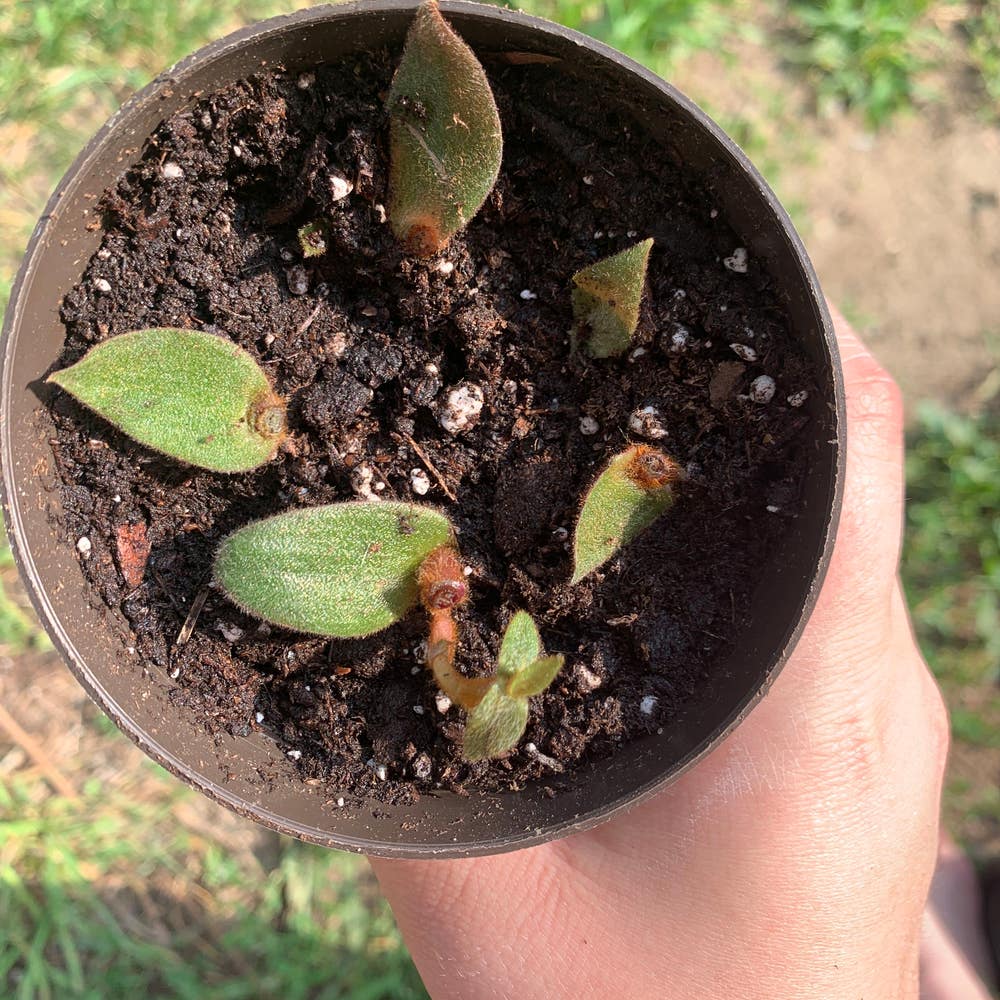
Best Potting Soil Mix for Cyanotis villosa
Cyanotis villosa
By the Greg Editorial Team
Apr 22, 2024•4 min read
This article was created with the help of AI so we can cover more plants for you. May contain errors. See one? Report it here.
- Yellow/brown leaves? Check for soil moisture issues.
- Ideal mix: 50% peat, 25% perlite/vermiculite, plus organic matter.
- Sterilize soil to prevent disease and pests.
Spotting Trouble: When Your Soil Goes Bad
🚩 Recognizing the Red Flags
If your Cyanotis villosa's leaves are yellowing or showing brown spots, it's time to inspect the soil. Mold, resembling a greenish-white fuzz, or a musty smell are clear indicators of excessive moisture. Waterlogged soil is another culprit; it should never feel like a wet sponge beneath your fingertips.
Turning Things Around
To fix moldy soil, reduce watering and increase airflow. Let the plant bask in sunlight to discourage fungal growth. In severe cases, repot with fresh, sterile soil. For soggy conditions, reassess your watering routine and ensure your pot has adequate drainage. If roots are damaged, trim them. Consistency in watering will become your plant's new best friend.
Crafting the Perfect Potting Mix
🌱 The Ideal Ingredients
Crafting the ideal potting mix for Cyanotis villosa starts with understanding its natural preferences. This plant thrives in a medium that strikes a balance between moisture retention and drainage. To achieve this, begin with a base of peat moss or coir peat for its ability to hold moisture. Then, incorporate perlite or vermiculite to keep the mix light and airy, allowing roots to breathe and excess water to escape. Organic matter, such as compost or worm castings, can be added as a nutrient-rich amendment to feed your plant over time.
📜 The Recipe for Success
When mixing your own soil, a general guideline is a 50:25:25 ratio of peat moss, perlite, and vermiculite. This combination provides a hospitable environment for Cyanotis villosa's roots. For those who prefer a homemade touch, mixing your own soil allows for customization based on your plant's specific needs. On the other hand, store-bought mixes offer convenience but may require additional tweaking, such as adding more peat or perlite to achieve the desired consistency. Ultimately, whether you buy or DIY, ensuring the right mix is crucial for your Cyanotis villosa's health and happiness.
Sterilizing Your Soil: A Clean Start
🛡️ Why Sterilization Matters
Sterilization isn't just for hospitals; it's essential for your Cyanotis villosa's soil. It's the shield against diseases and pests that can devastate your plant before it even has a chance to grow. Without it, you're rolling out the red carpet for pathogens and turning your pot into a pest party.
🛠️ DIY Soil Sterilization
Sterilizing your soil at home is simpler than you might think. Here's how to do it without breaking a sweat or the bank:
- Moisten the Soil: Damp soil heats more evenly. Just a splash of water will do—think moist, not soggy.
- Heat It Up: Choose your weapon—microwave or oven. For the microwave, zap the soil for about 90 seconds per kilogram on full power. In the oven, spread the soil on a baking sheet and bake at 200°F (about 90°C) until the internal temperature hits 180°F (82°C) for at least 30 minutes.
- Cool Down: Patience is key. Let the soil cool completely before introducing it to your plant. Hot soil can harm roots and kill seeds.
- Store Safely: If you're not using the sterilized soil immediately, store it in a sealed container to keep it clean and ready for action.
Remember, clean tools are part of the equation. Disinfect pots and instruments with a simple bleach solution—one part bleach to nine parts water—to ensure you're not undoing all your good soil work with dirty gear.
Monitoring and Maintaining Soil Health
🌱 Regular Check-ups
Regular soil check-ups are crucial for the health of your Cyanotis villosa. Like a plant whisperer, you need to tune in to the soil's needs. Monthly inspections are recommended. Gently probe the soil with your finger; if it clings to your skin like a needy kitten, it's too wet. Conversely, if it's as dry as a forgotten loaf of bread, it's time to water.
🌿 Adjustments on the Fly
As your Cyanotis villosa grows, it's normal for the soil mix to need tweaks. Keep an eye on the plant's response to your care. If you notice the leaves are as lackluster as a deflated balloon, consider whether the soil may be too dense or lacking in nutrients. Adjust your watering schedule with the seasons—less in the cooler months, more when it's warmer. And remember, rotating your plant can prevent it from leaning like a tipsy sailor. If you're not keeping a log of your plant's health, you're missing a trick. Track changes, and if something's off, adjust your care strategy with the precision of a Swiss watchmaker.
⚠️ Safety First
This content is for general information and may contain errors, omissions, or outdated details. It is not medical, veterinary advice, or an endorsement of therapeutic claims.
Always consult a qualified healthcare professional before using any plant as food, medicine, or supplement.
Never eat any plant (or feed one to pets) without confirming its identity with at least two trusted sources.
If you suspect poisoning, call Poison Control (800) 222-1222, the Pet Poison Helpline (800) 213-6680, or your local emergency service immediately.
Spotted an error? Please report it here.
Craft the ideal potting mix and banish leaf blemishes 🍂 with Greg's soil health tracking and personalized care reminders for your Cyanotis villosa.