Step-by-Step Guide to Propagating Bilimbi
Averrhoa bilimbi
By the Greg Editorial Team
Nov 26, 2024•8 min read
This article was created with the help of AI so we can cover more plants for you. May contain errors. See one? Report it here.
- 🌱 Propagate bilimbi using seeds, cuttings, grafting, or air layering techniques.
- 💧 Enhance seed germination by soaking seeds for 24 hours before planting.
- 🌞 Maintain ideal conditions: 25-30°C temperature and 70-80% humidity for successful growth.
Propagating from Seeds
🌱 Step-by-step Instructions for Seed Preparation
To start propagating bilimbi from seeds, first, collect ripe fruits and extract the seeds. Next, clean the seeds thoroughly to remove any fruit residue, ensuring a better chance of germination.
Soaking the seeds in water for 24 hours is a crucial step. This process enhances germination by softening the seed coat and promoting sprouting.
🌡️ Ideal Conditions for Germination
Creating the right environment is essential for successful germination. Maintain a temperature between 25°C to 30°C (77°F to 86°F) to encourage growth.
Humidity plays a significant role as well; aim for a humid environment, ideally around 70-80%. Additionally, use a well-draining potting mix with a pH of 6.0 to 7.0 for optimal soil conditions.
⏳ Timeframe for Seedling Development
Patience is key when propagating bilimbi from seeds. The germination period typically lasts between 2 to 4 weeks, depending on the conditions.
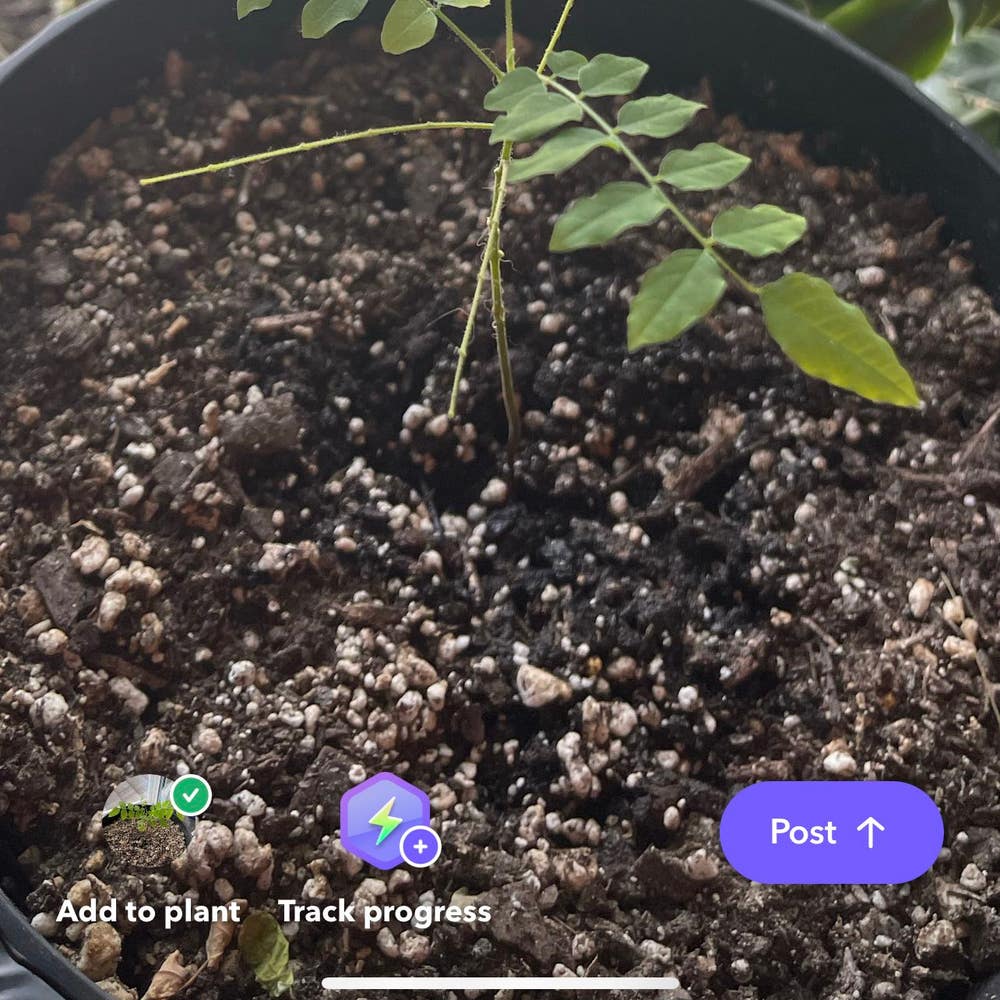
Once the seedlings develop 4 to 6 true leaves, it's time to transplant them into larger pots. This transition helps them continue growing strong and healthy.
With these steps, you're well on your way to successfully propagating bilimbi from seeds. Next, let's explore how to propagate this unique plant from cuttings.
Propagating from Cuttings
🌱 Selecting the Right Cuttings
To successfully propagate bilimbi from cuttings, start by selecting semi-hardwood cuttings that are 15-20 cm (6-8 inches) long. Make sure each cutting has at least 2-3 nodes, as these are crucial for root development.
✂️ Preparing Cuttings for Rooting
Next, prepare your cuttings for rooting. Trim the bottom of each cutting at a 45-degree angle to increase the surface area for water absorption.
Remove the lower leaves to minimize moisture loss, which is essential for the cutting's survival. For an extra boost, consider dipping the cut ends in rooting hormone; this can significantly enhance your chances of successful rooting.
🪴 Best Rooting Mediums and Conditions
Choosing the right medium is vital for rooting success. A recommended mix is equal parts peat moss and perlite, which provides excellent drainage while retaining necessary moisture.
Maintain high humidity levels and keep temperatures around 25°C (77°F) for optimal rooting conditions. This environment mimics the natural conditions that encourage root growth.
⏳ Timeframe for Rooting and Transplanting
Patience is key when propagating from cuttings. The rooting period typically takes about 4-6 weeks, during which you should monitor the cuttings for signs of root development.
Once the roots are established, it's time to transplant your rooted cuttings into larger pots. This transition allows them to continue growing strong and healthy, setting the stage for a fruitful bilimbi tree.
As you embark on this propagation journey, remember that each method has its unique challenges and rewards. Next, we’ll explore grafting, another effective technique for cultivating bilimbi.
Grafting
Step-by-step Grafting Process 🌱
Grafting is an art that combines two plants into one. Follow these steps for successful grafting:
- Select a healthy rootstock and scion. Choose a vigorous rootstock that complements your scion for optimal growth.
- Make matching cuts on both rootstock and scion. Ensure the cuts are clean and aligned for a better union.
- Join the two pieces and secure with grafting tape. This will hold them together while they heal.
- Seal with grafting wax to prevent moisture loss. This step is crucial to keep the graft hydrated and protected.
Aftercare for Grafted Plants 🌿
After grafting, the care you provide is essential for success.
- Keep grafted plants in a shaded area for 2-3 weeks. This helps them recover from the stress of grafting.
- Water regularly to maintain moisture without waterlogging. Consistent moisture is key, but avoid drowning the roots.
- Monitor for signs of growth from the scion. New growth indicates that the graft has taken and the plants are beginning to thrive.
With proper technique and care, grafting can lead to fruitful results, combining the best traits of both plants. Next, let’s explore air layering, another effective propagation method.
Air Layering
Step-by-step Air Layering Process 🌱
Air layering is a fascinating propagation method that allows you to grow new plants from existing branches. Here’s how to do it:
Select a Healthy Branch: Choose a branch that is healthy and strong. Make a circular cut around the stem, removing a strip of bark about 1 inch wide.
Apply Rooting Hormone: After exposing the inner wood, apply rooting hormone to the area. This helps stimulate root growth.
Wrap with Sphagnum Moss: Take moist sphagnum moss and wrap it around the cut area. Cover this with plastic wrap to retain moisture.
Secure the Wrap: Use twine or tape to secure the plastic wrap in place. This ensures the moss stays moist and encourages root development.
Timing and Care for Air-layered Plants ⏳
Patience is key when air layering. Check for root development after 6-8 weeks; you should see roots growing through the moss.
Once you notice visible roots, carefully cut below the new roots and transplant the branch into a pot. This method not only gives you new plants but also allows you to preserve the parent plant's health.
With these steps, you can successfully propagate bilimbi through air layering, adding to your gardening repertoire. Next, let’s explore the challenges you might face during propagation and how to overcome them.
Challenges in Propagation
🌱 Common Issues with Seed Germination
Germinating bilimbi seeds can present a few challenges. Understanding the factors affecting germination rates is crucial for success.
Factors Affecting Germination Rates
- Seed viability: Always start with fresh, healthy seeds. Old or damaged seeds may not germinate effectively.
- Environmental conditions: Optimal temperature and humidity are essential. Aim for a warm, humid environment to encourage sprouting.
Solutions for Low Germination Success
If you're facing low germination rates, consider these solutions:
- Pre-soaking seeds: Soak seeds in water for 24 hours before planting. This can enhance germination.
- Using a heat mat: A heat mat can provide consistent warmth, promoting better germination.
- Adjusting soil moisture: Ensure the soil is moist but not waterlogged. This balance is key to preventing seed rot.
✂️ Problems with Cuttings
Cuttings can also pose their own set of challenges during propagation. Identifying and solving rooting issues early can save your efforts.
Identifying and Solving Rooting Issues
Watch for signs of failure in your cuttings:
- Wilting or blackening: These are clear indicators that something is wrong.
- Solutions: Maintain proper humidity levels and avoid overwatering to keep cuttings healthy.
Environmental Factors Impacting Success
Environmental conditions play a significant role in rooting success.
- Temperature fluctuations: Sudden changes can stress the cuttings.
- Inadequate light: Ensure cuttings receive bright, indirect light to support healthy growth.
🌳 Grafting Challenges
Grafting can be tricky, but understanding common failures can help you avoid pitfalls.
Common Grafting Failures and How to Avoid Them
One of the most frequent issues is misalignment between the scion and rootstock.
- Ensure clean cuts: This is vital for a successful graft.
- Proper securing methods: Use grafting tape effectively to hold the pieces together.
Signs of Successful Grafting
After grafting, look for signs of success.
- New growth from the scion: If you see new growth within 2-4 weeks, your grafting efforts have likely paid off.
With these insights, you're better equipped to tackle the challenges of propagating bilimbi. Next, let's explore some tips for successful propagation that can enhance your gardening experience.
Tips for Successful Propagation
🌱 Optimal Conditions for Propagation
Creating the right environment is crucial for successful bilimbi propagation.
Temperature and Humidity Requirements
Aim for a temperature range of 25°C to 30°C (77°F to 86°F) across all propagation methods.
Maintain humidity levels around 70-80% for cuttings and air layering to encourage healthy growth.
💡 Light Conditions for Different Propagation Methods
Light plays a significant role in the success of your propagation efforts.
Seeds
Provide indirect sunlight until germination occurs. This helps prevent overheating and ensures a steady growth process.
Cuttings
Offer bright, indirect light to avoid scorching the delicate cuttings. This balance promotes healthy rooting without stress.
Grafted Plants
Keep grafted plants in a shaded area until they are well-established. This protection allows them to acclimate without the risk of sunburn.
🛠️ Tools and Materials Needed
Having the right tools on hand makes propagation smoother and more efficient.
Essential Tools for Each Propagation Method
Equip yourself with pruning shears, grafting tape, plastic wrap, and rooting hormone. These essentials will help you execute each method effectively.
Recommended Soil and Mediums
Use a well-draining potting mix for seeds and cuttings to prevent waterlogging.
For air layering, opt for sphagnum moss or coconut coir, which retains moisture while allowing for proper aeration.
With these tips in mind, you're well on your way to successfully propagating bilimbi. Next, let’s explore the challenges you might encounter during the propagation process and how to overcome them.
⚠️ Safety First
This content is for general information and may contain errors, omissions, or outdated details. It is not medical, veterinary advice, or an endorsement of therapeutic claims.
Always consult a qualified healthcare professional before using any plant as food, medicine, or supplement.
Never eat any plant (or feed one to pets) without confirming its identity with at least two trusted sources.
If you suspect poisoning, call Poison Control (800) 222-1222, the Pet Poison Helpline (800) 213-6680, or your local emergency service immediately.
Spotted an error? Please report it here.
Propagating bilimbi is thrilling 🌱, and with Greg's personalized tips and reminders, you'll confidently grow your plants from seeds, cuttings, or grafting in no time!