💧 Ultimate Guide to Humidity for Bilimbi
Averrhoa bilimbi
By the Greg Editorial Team
Nov 26, 2024•6 min read
This article was created with the help of AI so we can cover more plants for you. May contain errors. See one? Report it here.
- 🌧️ Bilimbi thrives at 60-80% humidity for optimal growth and fruit production.
- 🐛 Low humidity attracts pests; maintain humidity to prevent stress and infestations.
- 🌬️ Proper ventilation and humidity control are essential for Bilimbi's health and recovery.
Ideal Humidity Levels for Bilimbi
Optimal Humidity Range for Growth 🌧️
Bilimbi thrives in consistently high humidity levels, ideally between 60-80%. This range is crucial for supporting healthy growth and abundant fruiting.
Effects of Humidity on Growth 🌱
High humidity fosters lush foliage and enhances fruit production. Conversely, low humidity can stress the plant, leading to reduced fruiting and increased susceptibility to pests.
Comparison with Native Habitat 🌍
Bilimbi's native habitat is characterized by high humidity levels, which play a vital role in its natural growth cycle. Understanding this connection helps in replicating the ideal conditions for your Bilimbi plants.
With this foundational knowledge of humidity, you can better assess local conditions and adapt your care strategies accordingly. Next, we’ll explore how to assess local humidity levels effectively.
Local Humidity Considerations
🌧️ Assessing Local Humidity Levels
Understanding local humidity is crucial for the health of your Bilimbi. One effective method for determining humidity is using a hygrometer, which provides accurate measurements.
You can also observe environmental signs, such as the moisture on leaves or the presence of dew. Recognizing these indicators helps you tailor your Bilimbi care to its specific needs.
📅 Seasonal Variations in Humidity and Their Impact on Bilimbi
Humidity levels fluctuate with the seasons, impacting your Bilimbi's growth. During rainy seasons, humidity typically increases, providing a boost to your plant's health.
Conversely, dry seasons can lead to lower humidity, which may stress your Bilimbi. To adapt, consider adjusting your watering routine and employing humidity-boosting strategies during these drier months.
By staying attuned to these seasonal changes, you can ensure your Bilimbi thrives year-round.
Strategies for Boosting Humidity
🌬️ Using Humidifiers for Bilimbi
When it comes to maintaining the right humidity for your Bilimbi, humidifiers can be a game-changer. You have two main types to consider: cool mist and warm mist humidifiers.
Cool mist humidifiers are great for larger spaces and can help maintain a steady humidity level without raising the temperature. On the other hand, warm mist humidifiers can provide a cozy environment, especially in cooler months. Aim for a humidity setting between 60-80% for optimal growth.
🌱 Grouping Plants to Increase Humidity
Another effective strategy is to group your plants together. This creates a microenvironment where humidity levels can rise due to the collective transpiration from the leaves.
For Bilimbi, consider placing it alongside other humidity-loving plants. This arrangement not only boosts humidity but also enhances the aesthetic appeal of your indoor garden.
🪨 Pebble Trays and Their Effectiveness
Creating a pebble tray is a simple yet effective way to increase humidity around your Bilimbi. All you need is a shallow tray, some pebbles, and water.
To set it up, fill the tray with pebbles and add water until it just covers the pebbles. Place your Bilimbi pot on top, ensuring the bottom of the pot doesn’t sit in the water. Regularly check the water level to maintain effectiveness.
💦 Misting Techniques for Bilimbi
Misting can also help raise humidity levels, but it requires some finesse. Aim to mist your Bilimbi in the morning to allow the leaves to dry throughout the day, reducing the risk of mold.
Use distilled water for misting to avoid mineral buildup on the leaves. While misting is beneficial, be cautious of overdoing it, as excessive moisture can lead to fungal issues.
By implementing these strategies, you can create a thriving environment for your Bilimbi, ensuring it flourishes in the humidity it craves. Next, let's explore methods for reducing humidity when necessary.
Strategies for Reducing Humidity
🌬️ Ventilation Methods to Decrease Humidity
Air circulation is crucial for managing humidity levels around your Bilimbi. Proper ventilation helps prevent moisture buildup, which can lead to various plant health issues.
To improve ventilation, consider using fans to promote airflow. Opening windows can also help, especially during drier periods, allowing fresh air to circulate and reduce humidity.
🪴 Choosing the Right Potting Mix for Moisture Control
Selecting an appropriate potting mix is essential for moisture management. Well-draining mixes are recommended to prevent excess moisture retention.
Look for potting mixes that contain components like perlite or sand, which enhance drainage. The right mix not only supports healthy root growth but also helps maintain optimal humidity levels.
🚨 Signs of Excessive Humidity and How to Address Them
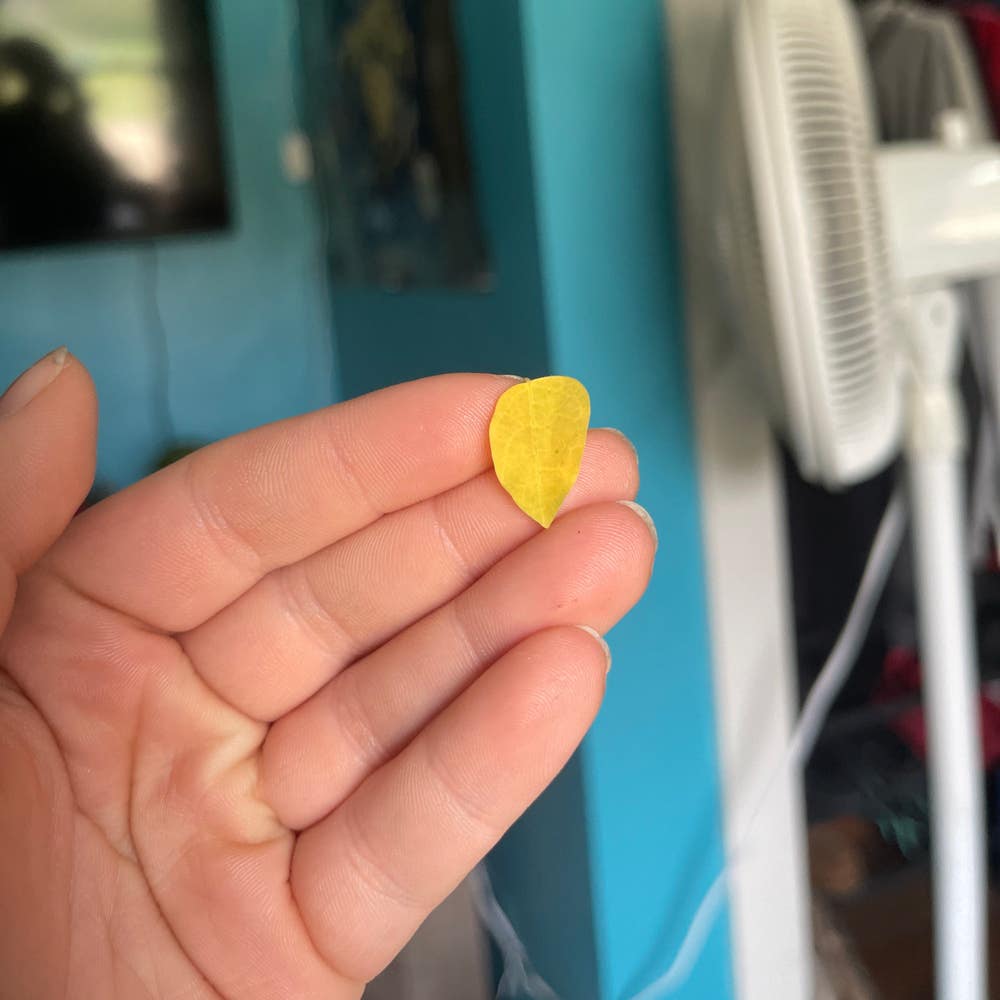
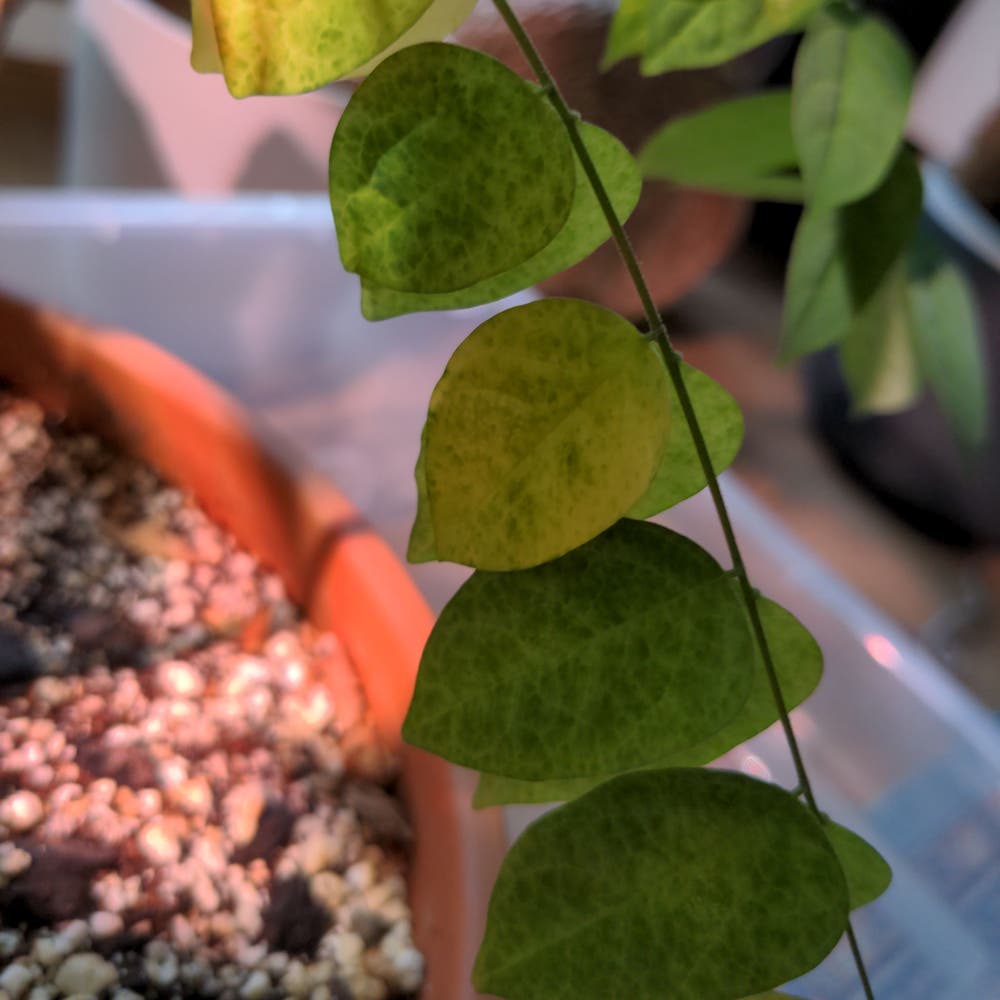
Recognizing the signs of high humidity stress is vital for your Bilimbi's health. Common indicators include mold growth, yellowing leaves, and pest infestations.
When you notice these symptoms, take immediate action. Adjust your watering practices and improve ventilation to help your plant recover and thrive.
By implementing these strategies, you can effectively manage humidity levels and ensure your Bilimbi remains healthy and vibrant. Next, we’ll explore common humidity-related issues that can affect your plant's well-being.
Humidity and Bilimbi Health
🌧️ Common Humidity-Related Issues
High humidity can lead to mold and fungal diseases that threaten your Bilimbi's health. Look out for signs like fuzzy growths on leaves or a musty smell, which indicate a fungal infection.
To prevent these issues, ensure good air circulation around your plants. Regularly check for moisture buildup and avoid overcrowding your Bilimbi with other plants.
High humidity can also attract pests, making your Bilimbi more vulnerable. Common pests include aphids and spider mites, which thrive in humid conditions.
Managing these pests involves regular inspections and using insecticidal soap or neem oil as needed. Keeping your plant healthy and stress-free is key to preventing infestations.
🌵 Signs of Low Humidity Stress in Bilimbi
Low humidity can stress your Bilimbi, leading to noticeable symptoms. Watch for leaf curling, browning tips, and stunted growth, all of which signal that your plant is struggling.
Early detection is crucial for recovery. If you notice these signs, it’s time to take action to restore the humidity levels your Bilimbi craves.
🔧 Recovery Strategies for Humidity-Related Problems
When your Bilimbi shows signs of humidity stress, start by gradually adjusting the humidity levels. Avoid drastic changes, as they can shock the plant.
Monitor your watering practices closely. Adjusting how often and how much you water can help support recovery and ensure your Bilimbi thrives once again.
By staying attentive to your plant's needs, you can foster a healthy environment that promotes growth and fruiting. Now, let’s explore how to effectively manage humidity levels for optimal Bilimbi health.
⚠️ Safety First
This content is for general information and may contain errors, omissions, or outdated details. It is not medical, veterinary advice, or an endorsement of therapeutic claims.
Always consult a qualified healthcare professional before using any plant as food, medicine, or supplement.
Never eat any plant (or feed one to pets) without confirming its identity with at least two trusted sources.
If you suspect poisoning, call Poison Control (800) 222-1222, the Pet Poison Helpline (800) 213-6680, or your local emergency service immediately.
Spotted an error? Please report it here.
Keep your Bilimbi thriving with ideal humidity levels 🌧️ by using Greg's tailored tips and reminders to create the perfect environment for lush growth and abundant fruit!