5 Steps to a Healthy Outdoor Bilimbi
Averrhoa bilimbi
By the Greg Editorial Team
Nov 26, 2024•8 min read
This article was created with the help of AI so we can cover more plants for you. May contain errors. See one? Report it here.
- ☀️ Bilimbi trees need 6-8 hours of sunlight for optimal growth and fruiting.
- 💧 Water weekly during dry spells; avoid overwatering to prevent root rot.
- 🌱 Use well-draining, slightly acidic soil and fertilize every 4-6 weeks for best results.
Sunlight Requirements
Ideal Sunlight Exposure 🌞
Bilimbi trees thrive in full sun, needing at least 6-8 hours of direct sunlight each day. This exposure is crucial as it promotes healthy growth and maximizes fruit production.
Effects of Insufficient Sunlight 🌑
When bilimbi trees don't get enough light, they exhibit symptoms like stunted growth and fewer fruits. Additionally, they become more susceptible to pests, which can further hinder their development.
Recommendations for Shaded Areas 🌳
To ensure optimal growth, avoid planting bilimbi trees near tall structures or dense trees that can block sunlight. Positioning them in an open area will help them flourish and yield a bountiful harvest.
Understanding the sunlight requirements of bilimbi trees is essential for their health. Next, let’s explore their watering needs and how to keep them hydrated effectively.
Watering Needs and Frequency
General Watering Guidelines 🌧️
Bilimbi trees thrive in consistently moist soil, but it's crucial to avoid waterlogging. Aim to water them once a week during dry spells, and increase frequency during extremely hot weather.
Signs of Overwatering and Underwatering 🚨
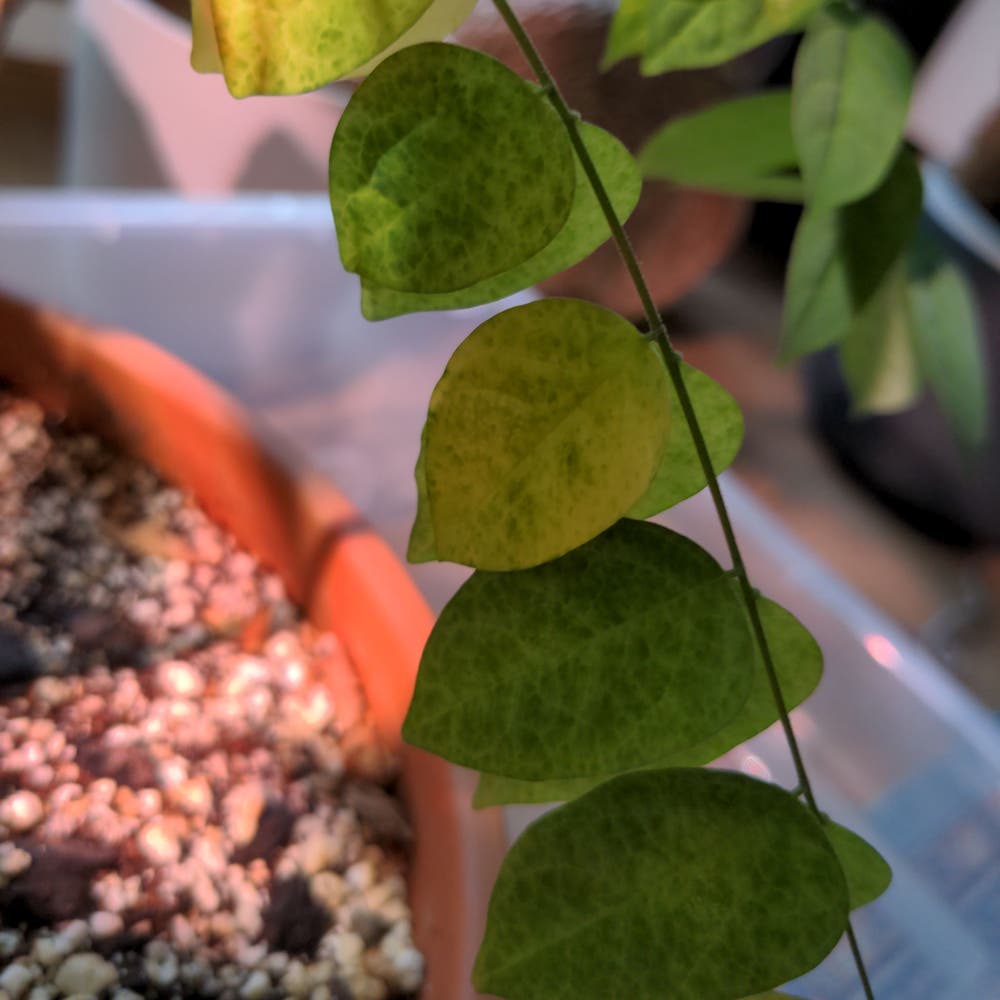
Watch for signs of overwatering, such as yellowing leaves and root rot. Conversely, underwatering can lead to wilting leaves and dry soil, indicating your tree needs more hydration.
Watering Techniques 💧
To maintain optimal moisture levels without oversaturation, consider using drip irrigation or soaker hoses. These methods deliver water directly to the roots, promoting healthy growth while preventing water-related issues.
Understanding the watering needs of your Bilimbi is essential for its health. With the right techniques and attention, you can ensure your tree flourishes beautifully. Next, let’s explore the ideal soil preferences and amendments to further support your Bilimbi’s growth.
Soil Preferences and Amendments
Ideal Soil Composition 🌱
Bilimbi trees thrive best in well-draining soil that has a slightly acidic to neutral pH, ideally between 6.0 and 7.0. Loamy or sandy soils enriched with organic matter are highly recommended for optimal growth.
Soil Amendments 🧑🌾
To enhance soil fertility and drainage, consider adding compost or well-rotted manure. Regular soil testing is crucial to monitor pH and nutrient levels, ensuring your Bilimbi gets the best possible foundation for growth.
Maintaining the right soil conditions is essential for a healthy Bilimbi tree. With the right amendments and care, you can set the stage for vibrant growth and abundant fruit production.
Next, let’s explore the fertilization schedule and types that will further support your Bilimbi's health.
Fertilization Schedule and Types
Fertilization Frequency 🌱
To keep your Bilimbi tree thriving, fertilize it every 4-6 weeks during the growing season, which spans spring and summer. This regular feeding helps ensure robust growth and abundant fruit production.
Types of Fertilizers 🥦
When it comes to fertilizers, balanced NPK options, such as 10-10-10, are excellent for general growth. If you prefer organic methods, consider using fish emulsion or seaweed extract, both of which can significantly enhance growth and fruiting.
Signs of Nutrient Deficiency ⚠️
Watch for signs of nutrient deficiency, which can manifest as yellowing leaves, poor fruit development, or stunted growth. Addressing these symptoms promptly can help restore your tree's health and productivity.
With a solid fertilization routine in place, you can ensure your Bilimbi tree receives the nutrients it needs to flourish. Next, let’s explore effective protection strategies to safeguard your tree from environmental challenges and pests.
Protection Strategies
🌩️ Weather Protection Techniques
Protecting your Bilimbi tree from extreme weather is crucial for its health. During cold snaps, using frost cloths can shield the tree from frost damage.
In contrast, during extreme heat, providing shade is essential. Consider using shade cloths or strategically placing the tree where it can benefit from afternoon shade.
🐛 Common Outdoor Pests
Identifying Outdoor Pests
Bilimbi trees can attract a variety of pests, including aphids, scale insects, and fruit flies. Look for signs of infestation such as sticky residue on leaves, discolored foliage, and damaged fruits.
Being vigilant about these indicators can help you catch problems early, ensuring your tree remains healthy and productive.
Control Methods
For pest control, organic options are effective and environmentally friendly. Neem oil and insecticidal soap can help manage infestations without harming beneficial insects.
Additionally, introducing beneficial insects like ladybugs can naturally reduce pest populations. This approach not only protects your Bilimbi but also promotes a balanced ecosystem.
🦠 Diseases That Can Affect Bilimbi
Common Diseases
Bilimbi trees are susceptible to diseases like root rot and powdery mildew. Root rot typically results from overwatering, so ensuring proper drainage is key to prevention.
Powdery mildew manifests as white fungal growth on leaves. If you notice this, applying fungicides can help control the spread.
Prevention Strategies
Regular inspection of your Bilimbi is vital for early disease detection. Prompt treatment of affected areas can prevent further damage.
Maintaining overall plant health through proper care practices, such as adequate watering and fertilization, will also bolster your tree's defenses against diseases.
With these protection strategies in place, your Bilimbi tree will be better equipped to thrive in various conditions. Next, let's explore how to adjust your care routine based on seasonal changes.
Seasonal Care
🌦️ Seasonal Changes and Their Impact
Caring for your Bilimbi tree requires adapting your routine to the changing seasons. Each season brings unique weather patterns that can affect growth, so it's essential to monitor conditions and adjust your care accordingly.
❄️ Winter Care in Colder Climates
In colder climates, protecting your Bilimbi from frost is crucial. Use mulch around the base of the tree to insulate the roots and consider frost covers to shield the foliage during unexpected cold snaps.
For container-grown Bilimbi, indoor care becomes necessary. Place the pots in a bright, warm location to ensure they receive adequate light while keeping them away from drafts.
☀️ Summer Care and Heat Management
Summer can be tough on your Bilimbi, especially during heat waves. To manage heat stress, increase your watering frequency, ensuring the soil remains consistently moist but not waterlogged.
Providing afternoon shade can also help your tree thrive. Consider using shade cloth or strategically placing other plants to shield your Bilimbi from the harshest sun.
By adjusting your care practices seasonally, you can ensure your Bilimbi tree remains healthy and productive throughout the year. Next, let’s explore the climate considerations that will further enhance your tree's growth.
Climate Considerations
🌍 Best Climate Zones
Bilimbi trees flourish in USDA zones 10-11, where the climate remains warm year-round. These zones provide the ideal conditions for healthy growth and abundant fruiting.
⚙️ Adjusting Care Based on Local Conditions
Tailoring your care routine is essential for optimal Bilimbi health. Adjust your watering and fertilization schedules according to local rainfall and temperature patterns to ensure your tree receives the right amount of moisture and nutrients.
In areas prone to frost, consider additional protective measures. This might include using frost cloths or relocating container-grown Bilimbi indoors during cold snaps.
For regions experiencing extreme heat, be proactive. Increase watering frequency and provide afternoon shade to help your tree cope with the stress of high temperatures.
By understanding and adapting to your local climate, you can create a thriving environment for your Bilimbi tree. This attention to detail not only enhances growth but also maximizes fruit production, ensuring a bountiful harvest.
As we move forward, let’s explore troubleshooting common problems that may arise in your Bilimbi care journey.
Troubleshooting
🌱 Identifying and Solving Common Problems
Growing Bilimbi can come with its share of challenges. Common issues include leaf drop, poor fruit set, and pest infestations.
Leaf drop often signals stress, which can stem from overwatering or insufficient sunlight. To remedy this, ensure your tree receives adequate light and adjust your watering schedule accordingly.
Poor fruit set may indicate a lack of nutrients or improper pollination. Regular fertilization and attracting pollinators can help boost fruit production.
Pest infestations, such as aphids or fruit flies, can wreak havoc on your Bilimbi. Monitor your tree closely and apply organic pest control methods, like neem oil, to keep these pests at bay.
🧙♂️ Myths and Misconceptions
There are several myths surrounding Bilimbi cultivation that can discourage potential growers. One common misconception is that Bilimbi cannot be grown in containers.
In reality, Bilimbi trees can thrive in pots with proper care. Just ensure the container is large enough to accommodate root growth and provide adequate drainage.
Another myth is that Bilimbi is too difficult to care for. With the right knowledge and practices, anyone can successfully cultivate this unique fruit tree. Embrace the journey and enjoy the rewards of your efforts!
Understanding these common problems and debunking myths can empower you to cultivate a healthy Bilimbi tree. With the right approach, you can overcome challenges and enjoy the fruits of your labor.
Next, let’s explore seasonal care to ensure your Bilimbi thrives throughout the year.
⚠️ Safety First
This content is for general information and may contain errors, omissions, or outdated details. It is not medical, veterinary advice, or an endorsement of therapeutic claims.
Always consult a qualified healthcare professional before using any plant as food, medicine, or supplement.
Never eat any plant (or feed one to pets) without confirming its identity with at least two trusted sources.
If you suspect poisoning, call Poison Control (800) 222-1222, the Pet Poison Helpline (800) 213-6680, or your local emergency service immediately.
Spotted an error? Please report it here.
Nurture your bilimbi trees for a bountiful harvest 🌱 by using Greg's tailored care reminders and expert tips to keep them thriving all season long!