🍈 Bilimbi Wilting: Causes and Solutions
Averrhoa bilimbi
By the Greg Editorial Team
Nov 22, 2024•6 min read
This article was created with the help of AI so we can cover more plants for you. May contain errors. See one? Report it here.
- 💧 Water stress from overwatering or underwatering causes wilting in Bilimbi plants.
- 🌡️ Ideal temperatures for Bilimbi are 20°C to 30°C (68°F to 86°F) for optimal health.
- 🌿 Regular monitoring of soil moisture and pests prevents disease-related wilting.
Common Causes of Wilting Leaves
💧 Water Stress
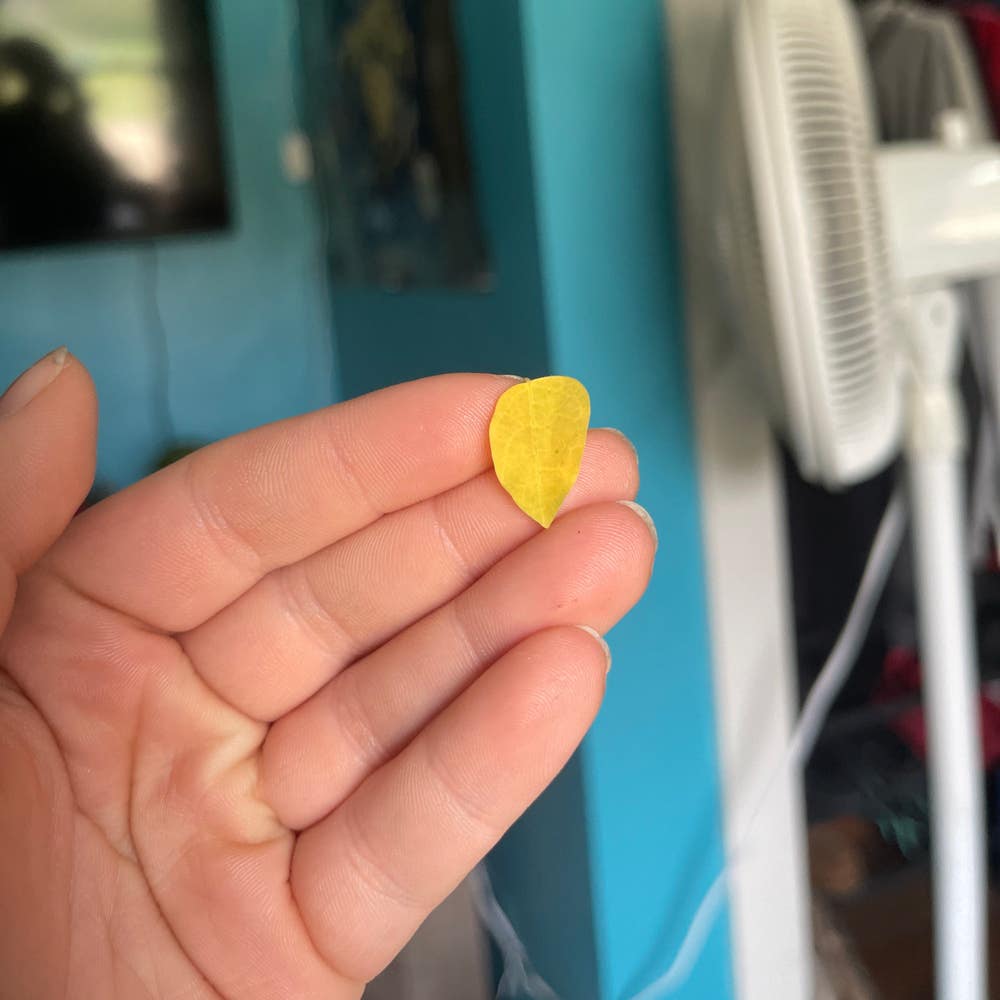
Water stress is a primary culprit behind wilting leaves in Bilimbi plants. Overwatering leads to yellowing leaves and root rot, while underwatering causes drooping leaves and dry soil.
Maintaining consistent moisture is crucial for the health of your Bilimbi. A well-balanced watering routine can prevent these issues and keep your plant thriving.
🔥 Heat Stress
High temperatures can significantly affect your Bilimbi's well-being. When exposed to excessive heat, leaves may curl or droop, showing signs of stress.
Look for leaf scorch, browning edges, and overall wilting as indicators of heat stress. Ideally, Bilimbi plants thrive in temperatures ranging from 20°C to 30°C (68°F to 86°F).
🦠 Disease-Related Wilting
While fungal infections are rare, they can still pose a threat to your Bilimbi. It's essential to recognize the importance of proper care to prevent disease-related issues.
Regular monitoring and maintenance can help keep your plant healthy and resilient against potential diseases. By staying vigilant, you can ensure your Bilimbi remains vibrant and flourishing.
Understanding these common causes of wilting leaves is the first step in addressing the issue. Next, we'll explore how to diagnose wilting effectively.
Diagnosing Wilting
📝 Step-by-Step Guide
Diagnosing wilting in your Bilimbi plant starts with assessing soil moisture levels. Check if the soil is dry or waterlogged, as both extremes can lead to wilting.
Next, evaluate the environmental conditions. Take note of the temperature and humidity levels around your plant, as these factors significantly impact its health.
Inspect the leaves for signs of pests or diseases. Look for discoloration, spots, or any unusual textures that might indicate a problem.
Finally, monitor any recent changes in care routines or the plant's location. Adjustments in watering, light exposure, or even moving the plant can affect its well-being.
👀 Signs to Look for
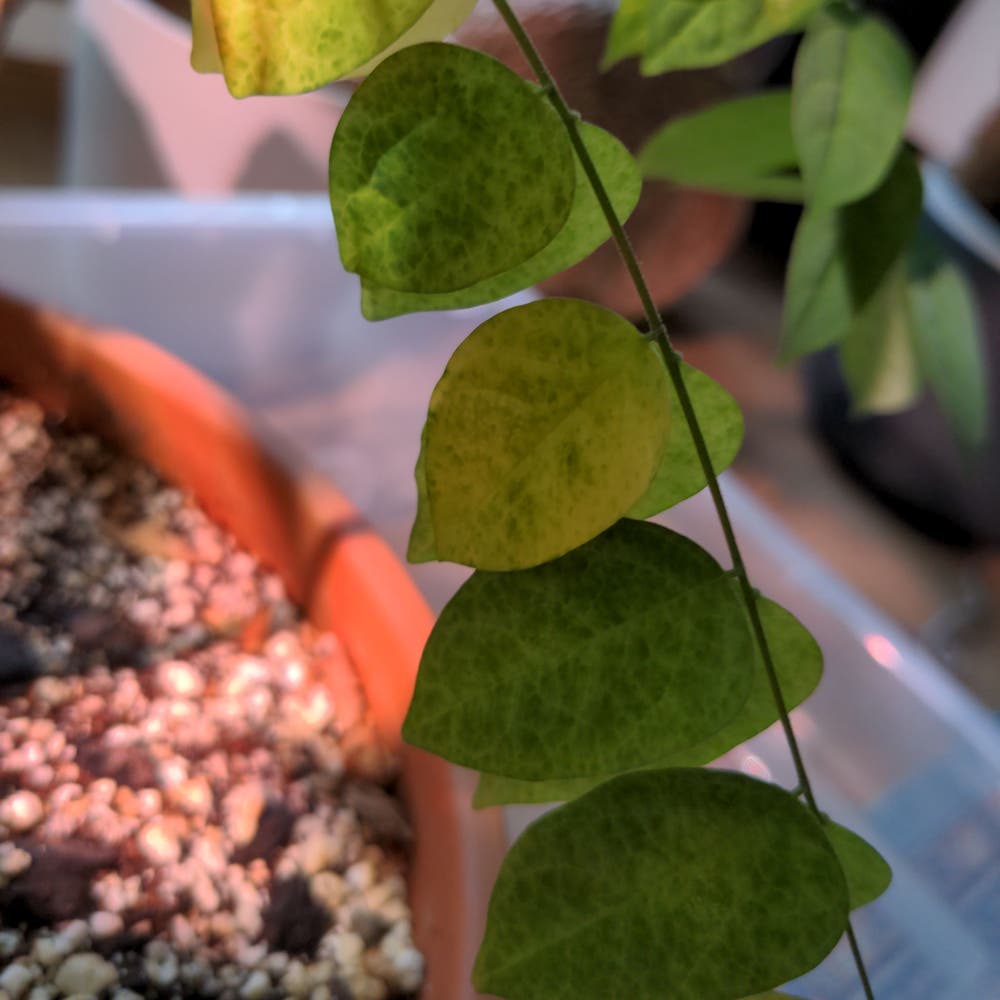
Pay attention to leaf color changes, such as yellowing or browning. These shifts can signal underlying issues that need addressing.
Examine the leaf texture as well. Softness may indicate overwatering, while crispness can suggest underwatering.
Overall plant vigor is crucial too. Stunted growth or drooping branches often point to stress, requiring immediate attention.
By following these steps and observing these signs, you can effectively diagnose the cause of wilting in your Bilimbi plant. This proactive approach sets the stage for implementing the right solutions and reviving your plant's health.
Solutions for Wilting
💧 Actionable Advice for Water Stress
Wilting due to water stress can stem from either overwatering or underwatering.
For overwatering, allow the soil to dry out completely and improve drainage to prevent root rot.
In contrast, if underwatering is the issue, increase your watering frequency to maintain consistent moisture levels.
☀️ Actionable Advice for Heat Stress
Heat stress can be a significant factor in wilting leaves.
To combat this, provide shade during peak sunlight hours to protect your Bilimbi from intense heat.
Additionally, increasing humidity around the plant can help; consider using misting or humidity trays to create a more favorable environment.
🦠 Actionable Advice for Disease-Related Wilting
Disease-related wilting requires a proactive approach.
Start by removing any affected leaves to prevent the spread of potential fungal infections and improve air circulation around the plant.
If necessary, apply appropriate fungicides, ensuring you follow the label instructions for safe and effective use.
By addressing these issues promptly, you can help your Bilimbi thrive and recover from wilting.
Next, let’s explore preventive measures to minimize future wilting episodes and keep your plant healthy.
Preventive Measures
Tips to Minimize Future Wilting Episodes 🌱
To keep your Bilimbi thriving, regularly check the soil moisture. Adjust your watering routine based on whether the soil feels dry or overly saturated.
Additionally, monitor temperature and humidity levels, especially during seasonal changes. This proactive approach can help you catch potential issues before they escalate.
Environmental Adjustments 🌞
Position your Bilimbi in a spot that receives filtered sunlight. This helps protect it from harsh rays while still allowing it to soak up the light it needs.
Using mulch is another effective strategy. It retains soil moisture and helps regulate temperature, creating a more stable environment for your plant.
By implementing these preventive measures, you can significantly reduce the chances of wilting. Keeping a close eye on your plant's needs will foster a healthier, more resilient Bilimbi.
As you continue caring for your plant, remember that understanding its environment is key. Next, we'll explore techniques for reviving a wilted plant when the need arises.
Reviving a Wilted Plant
🌊 Techniques for Bottom Watering
Bottom watering is a simple yet effective method to revive your wilted Bilimbi. To do this, place the pot in a shallow tray of water for about 30 minutes.
This technique encourages deep root growth and helps prevent overwatering, ensuring your plant gets the moisture it needs without drowning.
🏖️ Relocating the Plant Temporarily
If your Bilimbi is struggling in extreme heat, consider relocating it temporarily. Move the plant to a cooler, shaded area to help it recover from heat stress.
Keep an eye on how the plant responds to its new environment, as this can significantly impact its recovery.
✂️ Pruning Damaged Leaves
Pruning is another essential step in reviving a wilted plant. Identify and remove any severely wilted or damaged leaves to help the plant redirect its energy toward healthier growth.
It's best to prune during the cooler parts of the day to minimize stress on the plant. This small action can make a big difference in its recovery.
By employing these techniques, you can give your Bilimbi a fighting chance to bounce back. Next, let’s explore when it’s time to seek further assistance for your plant care journey.
When to Seek Further Assistance
🚨 Signs That Require Expert Help
If your Bilimbi plant continues to wilt despite your best care efforts, it may be time to seek expert assistance. Persistent wilting can indicate deeper issues that simple adjustments won't resolve.
Additionally, keep an eye out for any pests or unusual growth patterns. These signs often suggest that your plant is facing challenges beyond typical care, and professional insight can be invaluable.
📚 Resources for Assistance
When in doubt, reach out to local nurseries for expert advice and plant diagnostics. They can provide tailored recommendations based on your specific situation.
You can also engage with the Bilimbi plant care community online. Sharing experiences and solutions with fellow enthusiasts can lead to new insights and support for your plant care journey.
By staying proactive and connected, you can ensure your Bilimbi thrives, even in challenging conditions.
⚠️ Safety First
This content is for general information and may contain errors, omissions, or outdated details. It is not medical, veterinary advice, or an endorsement of therapeutic claims.
Always consult a qualified healthcare professional before using any plant as food, medicine, or supplement.
Never eat any plant (or feed one to pets) without confirming its identity with at least two trusted sources.
If you suspect poisoning, call Poison Control (800) 222-1222, the Pet Poison Helpline (800) 213-6680, or your local emergency service immediately.
Spotted an error? Please report it here.
Keep your Bilimbi thriving 🌿 by using Greg's tailored watering reminders and expert community support to tackle wilting issues head-on!