4 Winter Threats to Your Bilimbi ❄️
Averrhoa bilimbi
By the Greg Editorial Team
Nov 26, 2024•4 min read
This article was created with the help of AI so we can cover more plants for you. May contain errors. See one? Report it here.
- ❄️ Frost threatens Bilimbi survival; use protective measures like frost cloths.
- 🌱 Adjust winter watering to prevent root rot; check soil moisture regularly.
- 🌞 Indoor acclimatization is key; maintain 15°C to 25°C for healthy growth.
Frost Protection
🧣 Methods to Protect from Frost
Frost can be a real threat to your Bilimbi, but there are effective ways to shield your plants. One of the simplest methods is to use frost cloths or blankets, which can provide a protective layer against cold temperatures.
Creating a microclimate is another smart strategy. You can achieve this by applying mulch around the base of your trees or setting up protective barriers to trap warmth. If you have potted Bilimbi, consider moving them indoors or to a sheltered location during particularly cold nights.
❄️ Signs of Frost Damage
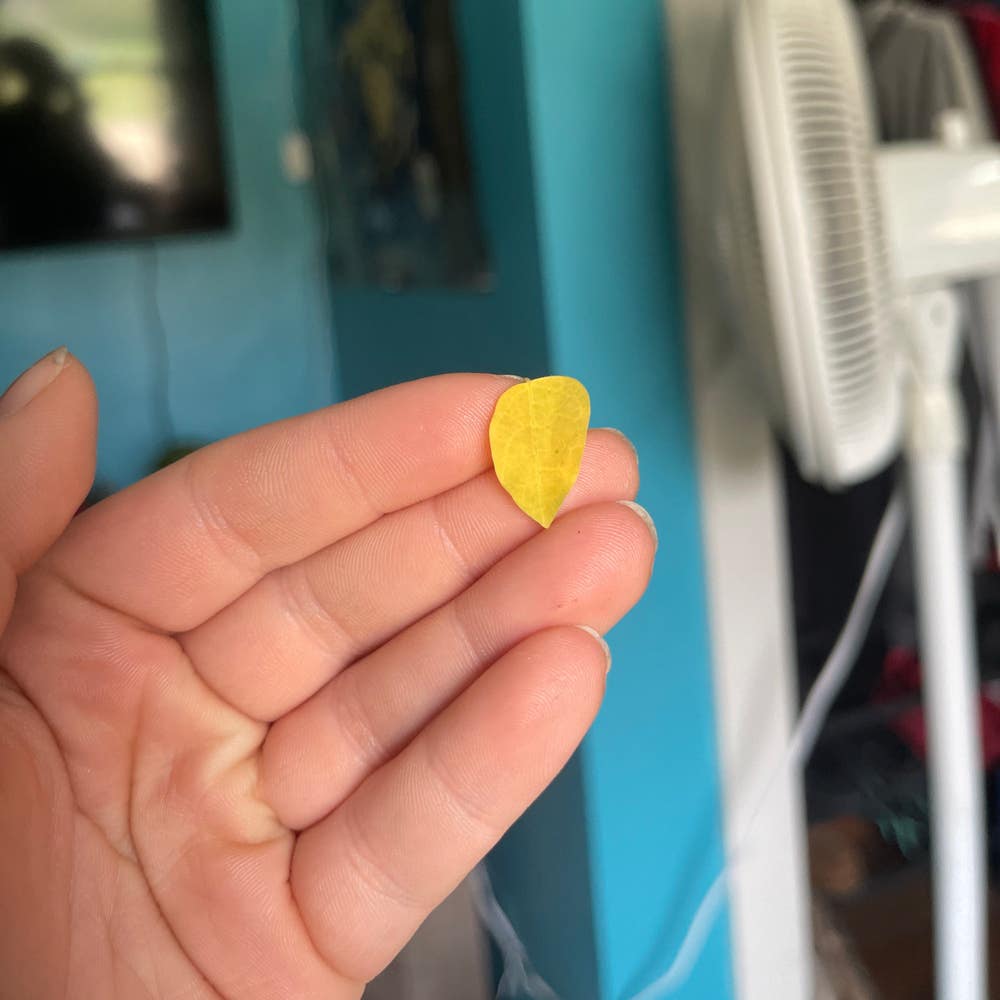
Recognizing frost damage early can make a significant difference in your plant's recovery. Look out for wilting or browning leaves, which are clear indicators that your Bilimbi is struggling.
Additionally, stunted growth or dieback of branches can signal that your plant has been affected by frost. Early detection is crucial; it allows you to take action and improve your Bilimbi's chances of bouncing back.
With these protective measures and signs in mind, you can help your Bilimbi thrive even in the chilly winter months. Next, let’s explore how to adjust your watering and fertilizing routines during this season.
Watering and Fertilizing Adjustments
🌨️ Adjusting Watering Schedules During Winter
During winter, it's crucial to adjust your watering schedule for your Bilimbi. Reduce the frequency of watering to prevent root rot, which can occur when the soil remains too wet in cooler temperatures.
Always check the soil moisture levels before watering. Stick your finger into the soil about an inch deep; if it feels dry, it's time to water.
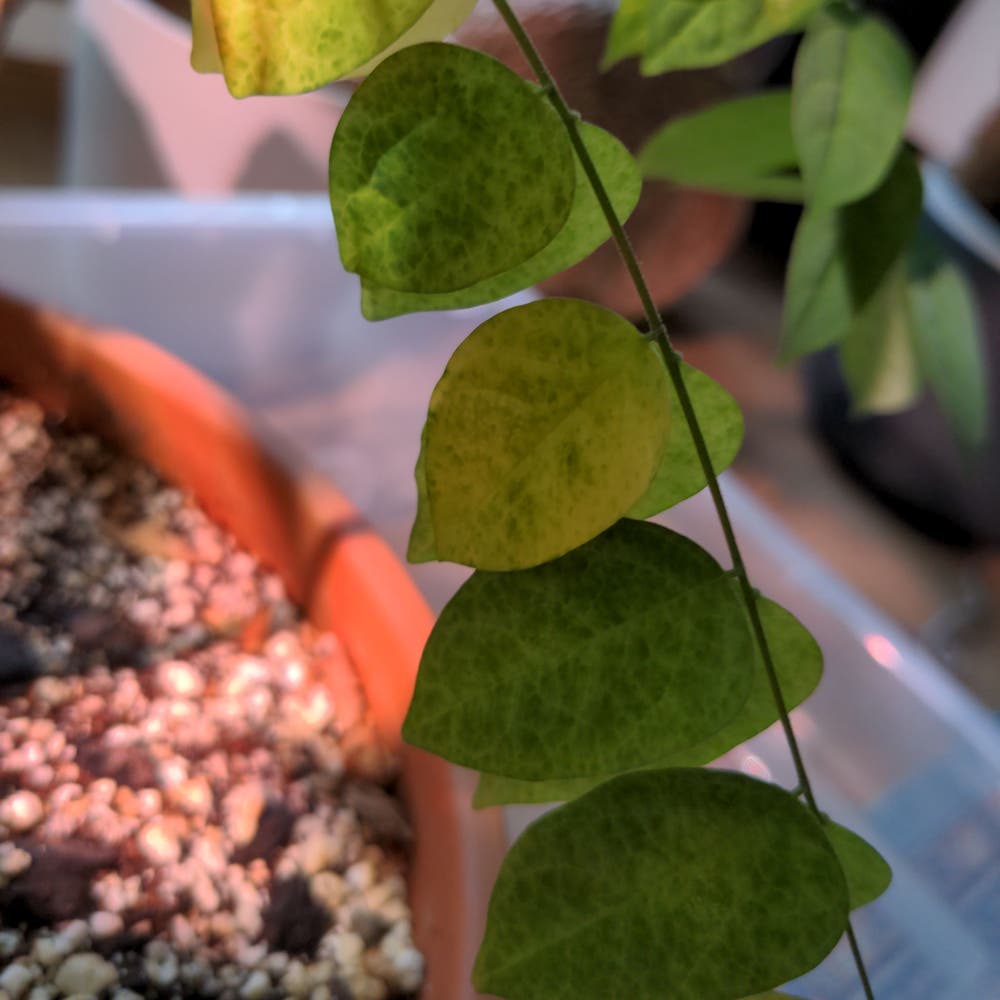
Watch for signs of overwatering, such as yellowing leaves or a mushy root system. Conversely, underwatering may present as wilting or crispy leaf edges.
❄️ Fertilizing Needs in Winter
Fertilization during winter should be minimal since the Bilimbi enters a dormant phase. This dormancy means the plant's nutrient needs decrease significantly.
When you do fertilize, opt for slow-release fertilizers that are suitable for winter application. Look for balanced formulations that provide essential nutrients without overwhelming the plant.
Maintaining a proper nutrient balance is vital for recovery in spring. A well-fed Bilimbi will bounce back stronger and healthier when the growing season begins.
As you prepare for the transition into spring, remember to monitor your watering and fertilizing practices closely. This attention will set the stage for robust growth and vitality in the months ahead.
Indoor Winter Care
Guidelines for Bringing Indoors 🌬️
Transitioning your Bilimbi indoors requires careful timing and conditions. Aim to move your plant before the first frost hits, ideally when nighttime temperatures consistently drop below 10°C (50°F).
Acclimatization is crucial for your Bilimbi's health. Gradually introduce it to indoor conditions by placing it in a shaded area for a few days before moving it to its permanent spot.
Indoor Care Tips During Winter ❄️
Creating optimal indoor conditions is key to your Bilimbi's survival. Maintain a temperature range between 15°C to 25°C (59°F to 77°F) to keep it thriving.
Light is another essential factor. Ensure your Bilimbi receives bright, indirect sunlight to mimic its natural environment.
Watering and humidity also play significant roles in indoor care. Check the soil moisture regularly and adjust your watering schedule to prevent overwatering, which can lead to root rot. Additionally, consider using a humidifier or placing a tray of water nearby to maintain adequate humidity levels.
With these tips, your Bilimbi can flourish indoors during the winter months. As you nurture it, keep an eye out for any signs of stress or pests, ensuring a smooth transition into spring.
Spring Preparation and Recovery
🌱 Signs of Recovery from Winter Damage
As winter fades, your Bilimbi will start to show signs of recovery. Look for new leaf emergence and flowering, which are clear indicators of healthy regrowth.
Assessing branch vitality is also crucial. Check for firmness and color; healthy branches should be vibrant and resilient, signaling that your plant is bouncing back.
🌼 Preparing for Spring Growth After Winter
To encourage robust spring growth, gradually reintroduce your Bilimbi to outdoor conditions. Start by placing it in a sheltered spot to acclimate before exposing it to full sunlight.
Adjust your watering and fertilizing schedules to support active growth. As temperatures rise, your plant will need more water and nutrients to thrive.
Don’t forget to monitor for pests and diseases as your Bilimbi emerges from dormancy. Early detection is key to maintaining plant health and ensuring a vibrant growing season ahead.
⚠️ Safety First
This content is for general information and may contain errors, omissions, or outdated details. It is not medical, veterinary advice, or an endorsement of therapeutic claims.
Always consult a qualified healthcare professional before using any plant as food, medicine, or supplement.
Never eat any plant (or feed one to pets) without confirming its identity with at least two trusted sources.
If you suspect poisoning, call Poison Control (800) 222-1222, the Pet Poison Helpline (800) 213-6680, or your local emergency service immediately.
Spotted an error? Please report it here.
Shield your Bilimbi from winter woes ❄️ with Greg's tailored watering reminders and protective care tips, ensuring it thrives come spring!