Why Bilimbi Leaves Turn Yellow
Averrhoa bilimbi
By the Greg Editorial Team
Nov 22, 2024•5 min read
This article was created with the help of AI so we can cover more plants for you. May contain errors. See one? Report it here.
- 🌱 Yellowing leaves indicate nutrient deficiencies, stress, or pests affecting Bilimbi plants.
- 💧 Overwatering and underwatering both cause yellowing; check soil moisture regularly.
- 🐛 Common pests like aphids can lead to yellowing; monitor plants for infestations.
Causes of Yellowing Leaves
Yellowing leaves on your Bilimbi plant can be a sign of various issues. Understanding these causes is crucial for maintaining a healthy plant.
🌱 Nutrient Deficiencies
Nutrient deficiencies are a common reason for yellowing leaves. Two key nutrients to consider are nitrogen and iron.
Nitrogen Deficiency
Nitrogen deficiency typically manifests as yellowing of older leaves first, accompanied by stunted growth. Nitrogen is essential for leaf health and overall plant vigor, as it plays a vital role in chlorophyll production.
Iron Deficiency
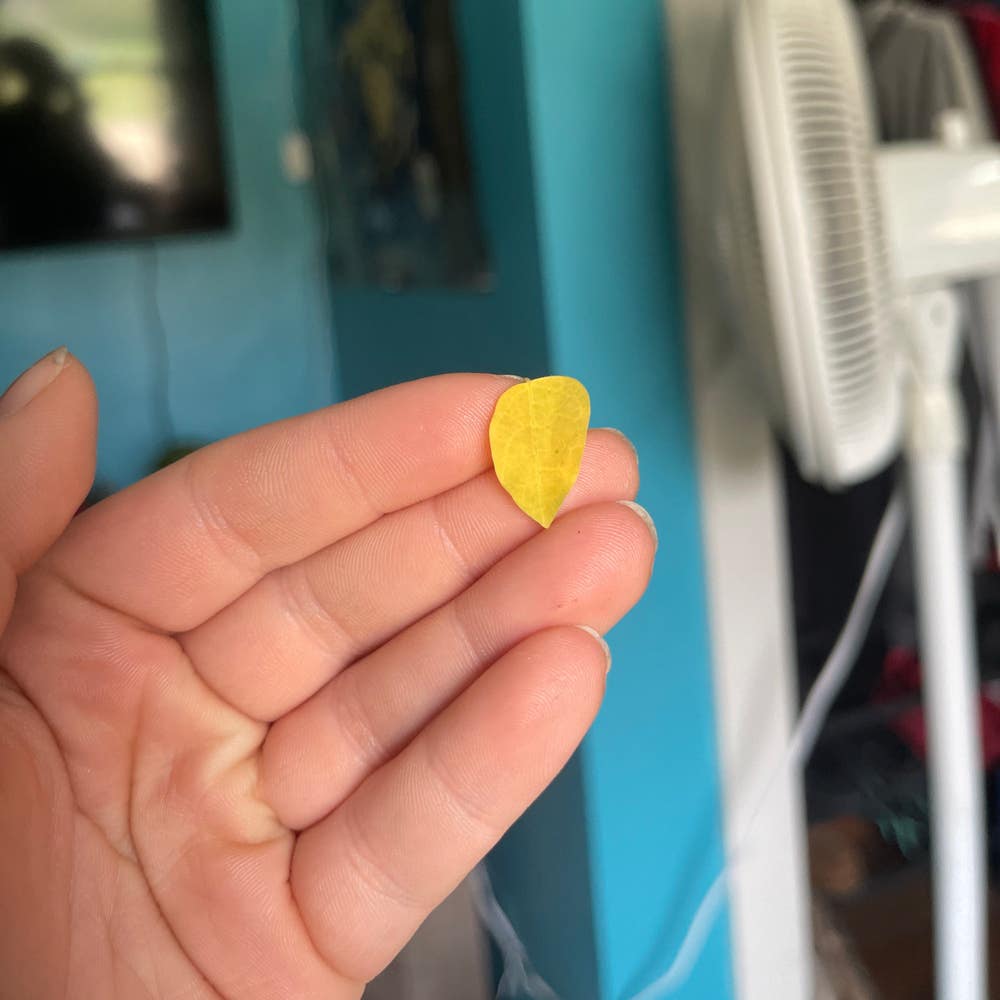
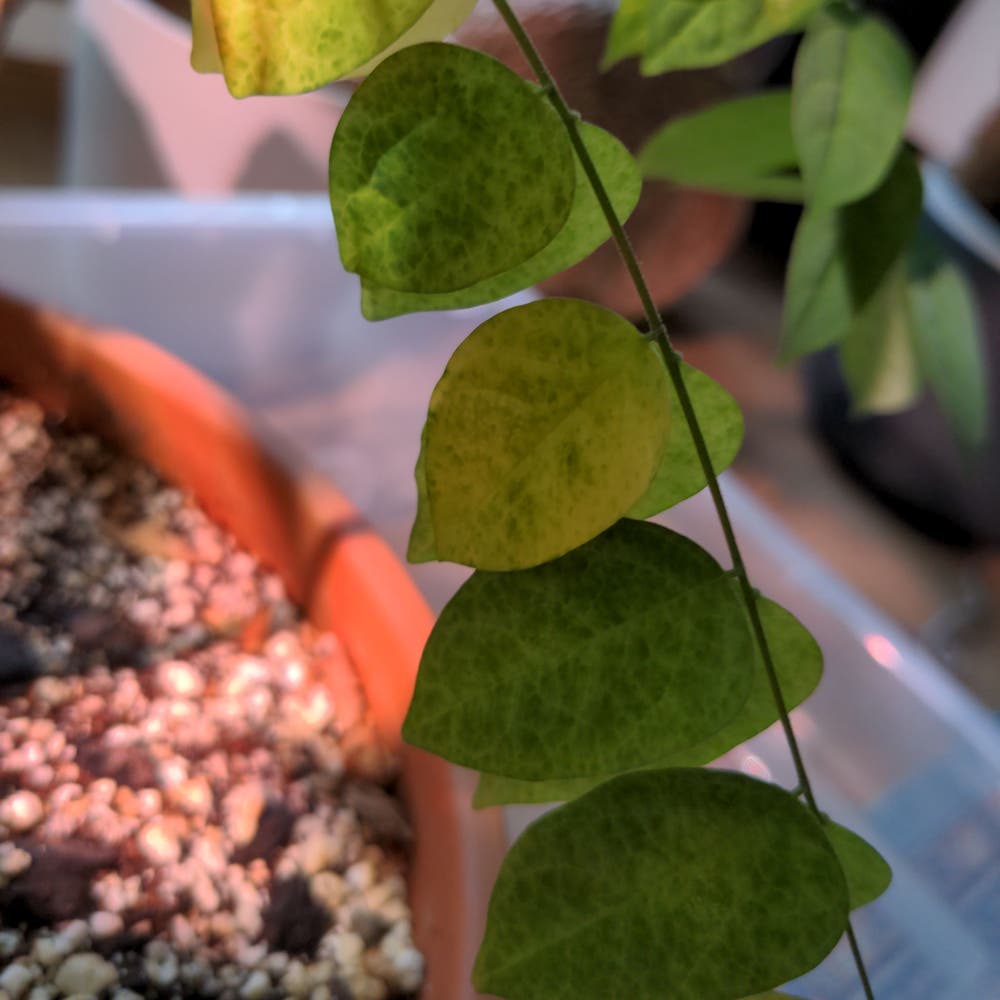
Iron deficiency presents differently, with yellowing occurring between leaf veins, known as interveinal chlorosis. This condition primarily affects younger leaves and highlights iron's critical role in photosynthesis.
🌧️ Environmental Stress
Environmental stress can also lead to yellowing leaves. Factors such as overwatering, underwatering, and temperature extremes are significant contributors.
Overwatering
Overwatering results in yellowing leaves, wilting, and root rot. This issue often arises from poor drainage or excessive rainfall, which saturates the soil.
Underwatering
Conversely, underwatering causes yellowing leaves, leaf drop, and dry soil. This typically occurs due to infrequent watering or prolonged drought conditions.
Temperature Extremes
Temperature extremes can lead to leaf curling, yellowing, and dropping. Bilimbi plants thrive in an ideal temperature range of 20°C to 35°C (68°F to 95°F).
🐛 Pests and Diseases
Pests and diseases can significantly impact the health of your Bilimbi. Common pests and fungal infections are the primary culprits.
Common Pests Affecting Bilimbi
Aphids are a frequent pest, leaving behind signs of infestation and causing damage. Control methods include insecticidal soaps and natural predators.
Mealybugs are another concern, identifiable by their cotton-like appearance. Symptoms of damage include yellowing leaves and stunted growth, necessitating prompt treatment.
Fungal Infections
Fungal infections, such as powdery mildew and root rot, can also lead to yellowing leaves. Symptoms include wilting and decay, making prevention and treatment strategies essential for plant health.
Understanding these causes is the first step in addressing yellowing leaves. Next, we will explore how to diagnose these issues effectively.
Diagnosing Yellow Leaves
Visual Symptoms to Look For 🌿
When your Bilimbi leaves start turning yellow, it’s crucial to identify the underlying cause. Look closely at the leaf color, texture, and overall plant appearance to distinguish between nutrient deficiencies, environmental stress, and pest damage.
For instance, if older leaves are yellowing first, it might signal a nitrogen deficiency. Conversely, if the younger leaves are affected, it could indicate an iron deficiency or pest issue.
Soil Testing for Nutrient Levels 🧪
Soil testing is an effective way to pinpoint nutrient deficiencies. Use recommended soil testing kits that can provide insights into the nutrient levels in your soil.
Once you have the results, interpret them carefully. A low nitrogen level may require a specific fertilizer, while a lack of iron might need a different approach to restore your Bilimbi's health.
Assessing Watering Practices 💧
Evaluating your watering practices is essential for diagnosing yellow leaves. Check soil moisture levels using simple techniques like inserting your finger into the soil to gauge dampness.
Be vigilant for signs of overwatering, such as wilting and yellowing leaves, or underwatering, which can lead to leaf drop and dry soil. Adjust your watering schedule accordingly to keep your Bilimbi thriving.
Understanding these diagnostic steps will help you take action before the yellowing worsens. Next, let’s explore effective treatment options to rejuvenate your Bilimbi plant.
Treatment Options
🌱 Fertilization Strategies
Recommended Fertilizers
To keep your Bilimbi healthy, consider using balanced NPK fertilizers or organic options. A balanced NPK fertilizer typically has a ratio of 10-10-10, providing essential nutrients for robust growth.
Organic fertilizers, such as compost or well-rotted manure, enrich the soil naturally. They improve soil structure and provide a slow release of nutrients, which is beneficial for long-term plant health.
Application Methods
Timing is crucial when applying fertilizers. Generally, fertilize Bilimbi during the growing season, which is spring through early summer, to support active growth.
For even distribution, sprinkle the fertilizer around the base of the plant, avoiding direct contact with the stem. Watering after application helps the nutrients penetrate the soil and reach the roots effectively.
💧 Adjusting Watering Practices
Signs of Overwatering vs. Underwatering
Recognizing the signs of overwatering is essential. Yellowing leaves, wilting, and root rot indicate too much water, while yellowing leaves, leaf drop, and dry soil suggest underwatering.
To maintain a healthy watering schedule, check the top inch of soil. If it feels dry, it’s time to water; if it’s soggy, hold off until it dries out.
🐞 Pest Management Techniques
Organic and Chemical Options
For pest control, start with organic methods like neem oil or insecticidal soap. These options are effective against common pests like aphids and mealybugs without harming beneficial insects.
If infestations persist, chemical treatments may be necessary. Use them as a last resort, following application guidelines carefully to minimize environmental impact.
By implementing these treatment options, you can restore your Bilimbi's health and vitality. Next, let's explore preventative measures to keep your plant thriving year-round.
Preventative Measures
Best Practices for Care 🌱
Taking proactive steps in caring for your Bilimbi can significantly enhance its health. Start by ensuring you have the right soil composition.
Soil Selection and Amendments 🪴
Bilimbi thrives in well-draining soil rich in organic matter. Consider mixing in compost or well-rotted manure to boost nutrient content and improve drainage.
Regular Monitoring for Pests 🐛
Routine inspections are crucial for early pest detection. Look for signs of pest presence, such as discolored leaves or sticky residue, to address issues before they escalate.
Seasonal Care Tips 🌦️
Adjust your care regimen based on the plant's growth cycles. During the rainy season, reduce fertilization and monitor for overwatering, while in dry periods, ensure consistent moisture levels.
By implementing these preventative measures, you can foster a thriving environment for your Bilimbi. This proactive approach not only enhances plant health but also prepares you for the challenges of seasonal changes.
⚠️ Safety First
This content is for general information and may contain errors, omissions, or outdated details. It is not medical, veterinary advice, or an endorsement of therapeutic claims.
Always consult a qualified healthcare professional before using any plant as food, medicine, or supplement.
Never eat any plant (or feed one to pets) without confirming its identity with at least two trusted sources.
If you suspect poisoning, call Poison Control (800) 222-1222, the Pet Poison Helpline (800) 213-6680, or your local emergency service immediately.
Spotted an error? Please report it here.
Revitalize your Bilimbi plant and breathe new life into those yellowing leaves 🌱 with Greg's tailored watering schedules and nutrient tips to keep your plant thriving!