Best Tips for Dealing with Curling Leaves on Bilimbi
Averrhoa bilimbi
By the Greg Editorial Team
Nov 22, 2024•6 min read
This article was created with the help of AI so we can cover more plants for you. May contain errors. See one? Report it here.
- 🌱 Curling leaves indicate stress from pests, nutrients, or environmental factors.
- 🌡️ Maintain 20°C to 30°C and high humidity for healthy Bilimbi plants.
- 💧 Balance watering to prevent drought or overwatering, both cause curling leaves.
Causes of Curling Leaves
🌡️ Environmental Stress Factors
Curling leaves on your Bilimbi can often be traced back to environmental stress. Temperature extremes are a significant factor; the ideal range for this plant is between 20°C to 30°C (68°F to 86°F).
Humidity also plays a crucial role. Bilimbi thrives in high humidity, ideally at 60% or more. If the air is too dry, you may notice curling leaves as a sign of stress.
Drought conditions can exacerbate this issue. A lack of moisture leads to visible symptoms like curling, signaling that your plant is in distress.
Conversely, excessive rain can create waterlogged conditions, which also stress the plant. It's essential to find a balance in watering to keep your Bilimbi healthy.
🥦 Nutrient Deficiencies
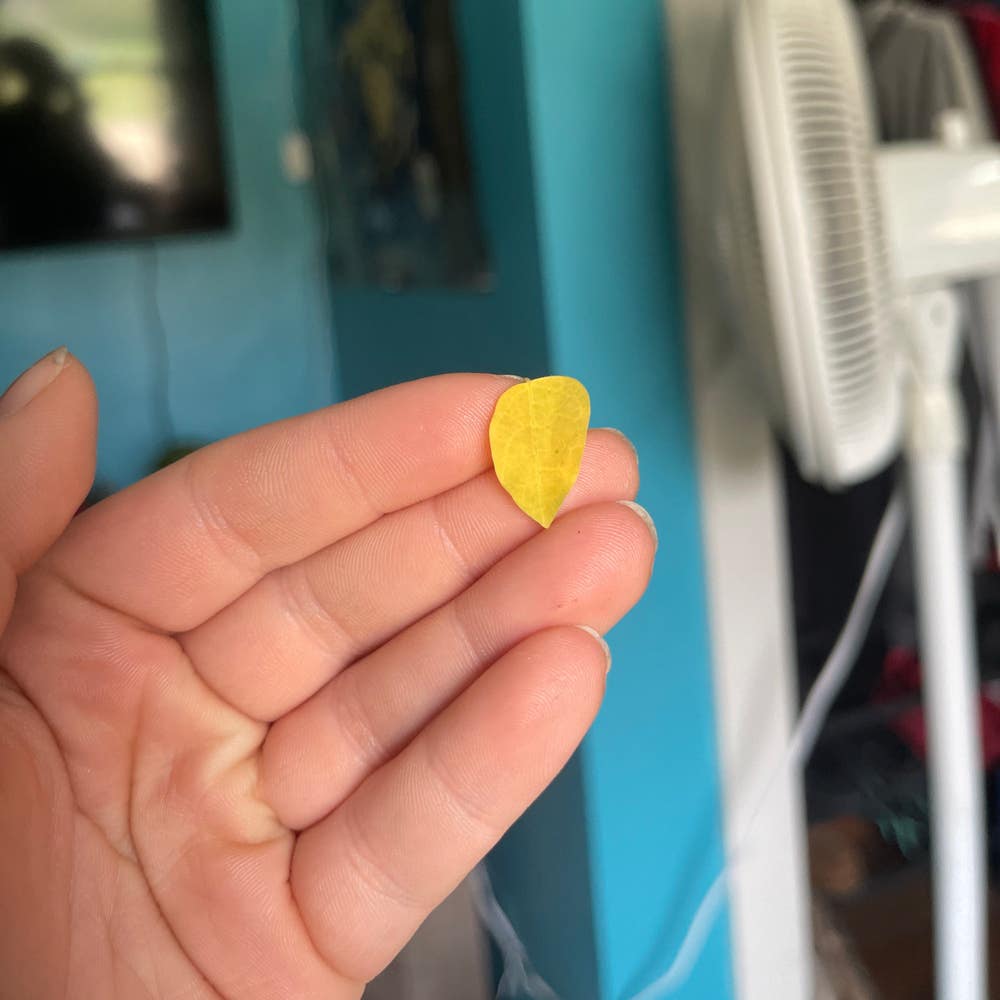
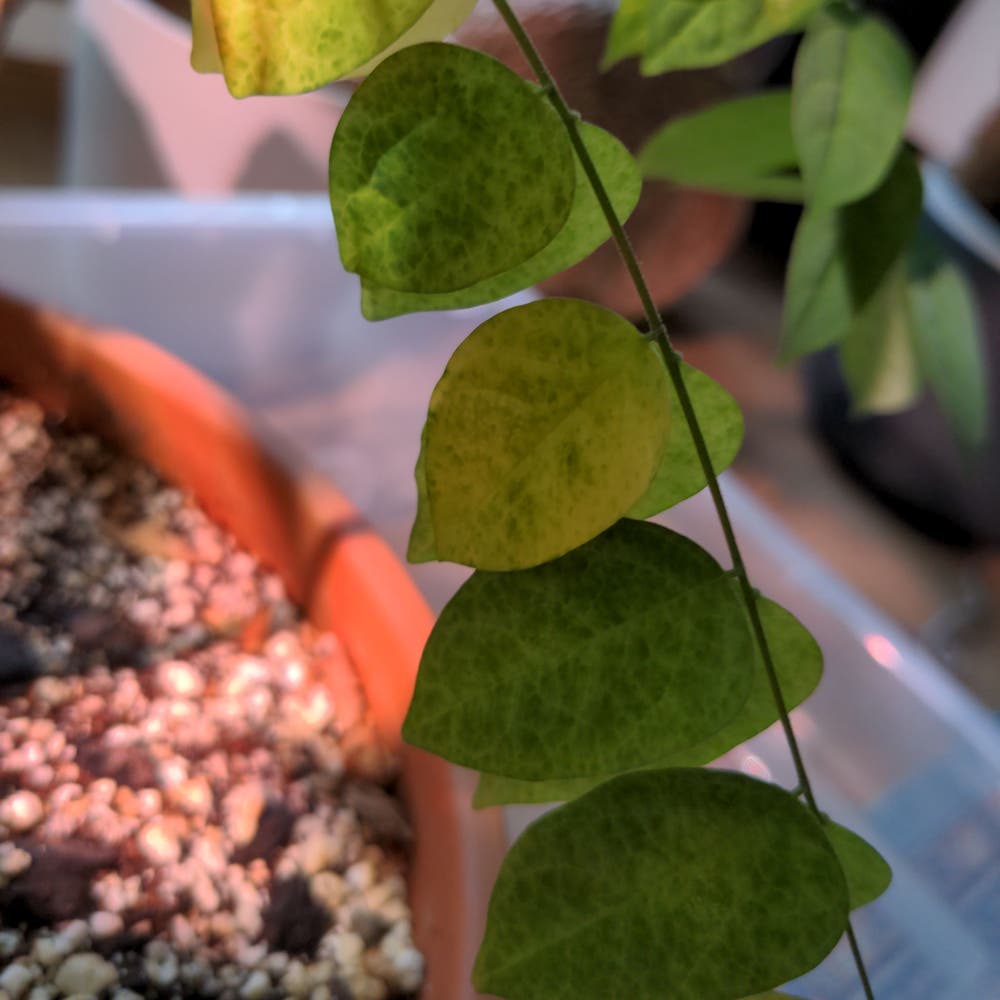
Nutrient deficiencies can also lead to curling leaves. A nitrogen deficiency is particularly noticeable, as it causes older leaves to yellow and curl.
Potassium deficiency is another culprit, often resulting in curled and browned leaf edges. To prevent these issues, balanced fertilization is key for Bilimbi plant care.
🐜 Pest Infestations
🐞 Aphids
Pest infestations can wreak havoc on your Bilimbi. Aphids are a common problem, and their presence is often indicated by a sticky residue on leaves and distorted growth.
These pests feed on the sap, leading to curling leaves and overall plant weakness. Keeping an eye out for these signs can help you catch infestations early.
🕷️ Spider Mites
Another pest to watch for is spider mites. They leave fine webbing and create a stippled appearance on leaves, which can be alarming.
These tiny pests weaken plant health, causing further curling and distress. Regular inspections can help you identify and address these issues before they escalate.
🍄 Fungal Infections
❄️ Powdery Mildew
Fungal infections, such as powdery mildew, can also cause curling leaves. Symptoms include white powdery spots on the leaves, which can lead to curling if left untreated.
Conditions that favor the growth of powdery mildew include high humidity and poor air circulation. Ensuring good airflow around your Bilimbi can help prevent this issue.
Understanding these causes is crucial for maintaining the health of your Bilimbi. By addressing environmental stress, nutrient deficiencies, pest infestations, and fungal infections, you can keep your plant thriving.
Next, we will explore how to diagnose curling leaves effectively, ensuring you can take the right steps to restore your plant's health.
Diagnosing Curling Leaves
Identifying Symptoms 🌿
Curling leaves can manifest in two distinct ways: upward curling and downward curling. Each type can indicate different underlying issues, so it's essential to observe closely.
Color changes also play a crucial role in diagnosis. Yellowing or browning leaves often signal specific problems, such as nutrient deficiencies or environmental stress.
Differentiating Between Pest Damage and Environmental Stress 🐛
A thorough visual inspection is key to identifying the cause of curling leaves. Check the undersides of leaves for pests, as they often hide there.
Additionally, assess the environmental conditions. Temperature and humidity levels can greatly influence plant health, so ensure they are within the ideal range for your Bilimbi.
Assessing Soil Moisture Levels 💧
Checking soil moisture is vital for maintaining healthy Bilimbi plants. Use techniques like the finger test or a moisture meter to gauge moisture levels accurately.
Aim for consistent moisture without sogginess. Bilimbi thrives in well-draining soil that retains some moisture but doesn’t become waterlogged.
Checking for Signs of Disease 🦠
Fungal infections can also lead to curling leaves. Look for symptoms such as discoloration or a powdery residue on the leaves.
Early detection of these issues is crucial for effective treatment. The sooner you identify a problem, the better your chances of restoring your plant's health.
By understanding these diagnostic steps, you can effectively address the curling leaves on your Bilimbi. Next, we’ll explore treatment options to help your plant recover and thrive.
Treatment Options
🌱 Organic Pest Control Methods
Dealing with pests is crucial for maintaining healthy Bilimbi plants. Neem oil is a standout option, effectively targeting aphids and spider mites without harming the plant.
Another safe choice is insecticidal soap. This method is gentle on Bilimbi while effectively eliminating unwanted pests.
💧 Adjusting Watering Practices
Watering practices play a significant role in plant health. Establishing a watering schedule based on soil moisture is essential for preventing curling leaves.
Look for signs of proper watering; leaves should feel firm and vibrant. If they appear limp or droopy, it might be time to adjust your watering routine.
🌿 Fertilization Strategies
Fertilization is key to keeping your Bilimbi thriving. Use balanced NPK formulas to ensure your plant receives the necessary nutrients.
Timing is also important; apply fertilizers in early spring and mid-summer for optimal growth and leaf health.
🍄 Fungal Treatment Options
🧪 Fungicides
When it comes to fungal issues, you have options. There are chemical and organic fungicides available, each with its own benefits.
Application is straightforward; simply spray the fungicide on affected areas to combat the problem effectively.
🌼 Natural Remedies
For those who prefer natural solutions, consider a baking soda solution. This remedy is particularly effective against powdery mildew.
Another option is garlic spray, which acts as a natural deterrent for both pests and fungal issues. These remedies can help keep your Bilimbi healthy without harsh chemicals.
By implementing these treatment options, you can effectively address the curling leaves on your Bilimbi plant. Next, let’s explore some preventative measures to keep your plant thriving in the long run.
Preventative Measures
Best Practices for Care 🌱
Regular watering is essential for Bilimbi plants. Aim to maintain consistent moisture levels to prevent stress and curling leaves.
Fertilization is equally important. Establish a monthly schedule during the growing season to ensure your plant receives the nutrients it needs.
Regular Monitoring 👀
Inspect your Bilimbi weekly for early signs of issues. This vigilance helps maintain plant health and catch problems before they escalate.
Keeping an eye on your plant's condition fosters a proactive approach to care. Early detection is key to preventing major setbacks.
Optimal Growing Conditions ☀️
Bilimbi thrives in full sun, requiring 6-8 hours of direct sunlight daily. This exposure promotes healthy growth and vibrant foliage.
Temperature and humidity management are crucial. Create a suitable microclimate to keep your plant happy and thriving.
Soil Management 🌍
Choose a well-draining soil rich in organic matter for optimal growth. This foundation supports healthy root development and overall plant health.
Consider adding compost and mulch to improve soil quality. These amendments enhance moisture retention and provide essential nutrients.
By implementing these preventative measures, you can significantly reduce the risk of curling leaves on your Bilimbi. Next, let's explore effective treatment options to address any issues that may arise.
⚠️ Safety First
This content is for general information and may contain errors, omissions, or outdated details. It is not medical, veterinary advice, or an endorsement of therapeutic claims.
Always consult a qualified healthcare professional before using any plant as food, medicine, or supplement.
Never eat any plant (or feed one to pets) without confirming its identity with at least two trusted sources.
If you suspect poisoning, call Poison Control (800) 222-1222, the Pet Poison Helpline (800) 213-6680, or your local emergency service immediately.
Spotted an error? Please report it here.
Keep your Bilimbi thriving 🌿 by using Greg's tailored care reminders to maintain the perfect balance of moisture and nutrients, ensuring those curling leaves are a thing of the past!