Good Temperature Range for Your Bilimbi 🌡️
Averrhoa bilimbi
By the Greg Editorial Team
Nov 26, 2024•2 min read
This article was created with the help of AI so we can cover more plants for you. May contain errors. See one? Report it here.
- 🌡️ Bilimbi thrives between 20°C to 30°C for optimal growth and fruiting.
- ❄️🔥 Avoid temperatures below 10°C or above 35°C to prevent stress and stunted growth.
- 🌱 Monitor temperature closely to ensure vibrant foliage and abundant fruit production.
Temperature Needs of Bilimbi
Optimal Temperature Range 🌡️
The bilimbi thrives best in an ideal temperature range of 20°C to 30°C (68°F to 86°F). Maintaining this range is crucial for optimal growth and fruit production, as it supports healthy foliage and robust fruit development.
Consistent temperatures within this range encourage the plant to flourish, leading to vibrant leaves and abundant fruit. When temperatures dip or rise outside this range, the bilimbi may struggle to reach its full potential.
Temperature Thresholds for Growth and Fruiting 🌱
Understanding the temperature thresholds for bilimbi is essential for successful cultivation. The minimum temperature threshold is 10°C (50°F); exposure below this can lead to stunted growth and leaf drop.
Conversely, the maximum threshold is 35°C (95°F). When temperatures exceed this limit, the plant may experience wilting and reduced fruit set, impacting overall yield.
Specific Growth Stage Requirements
- Seedling Stage: 25°C to 30°C (77°F to 86°F) is ideal for young plants.
- Mature Plant Stage: 20°C to 30°C (68°F to 86°F) is optimal for fruiting.
Signs of Temperature Stress 🚨
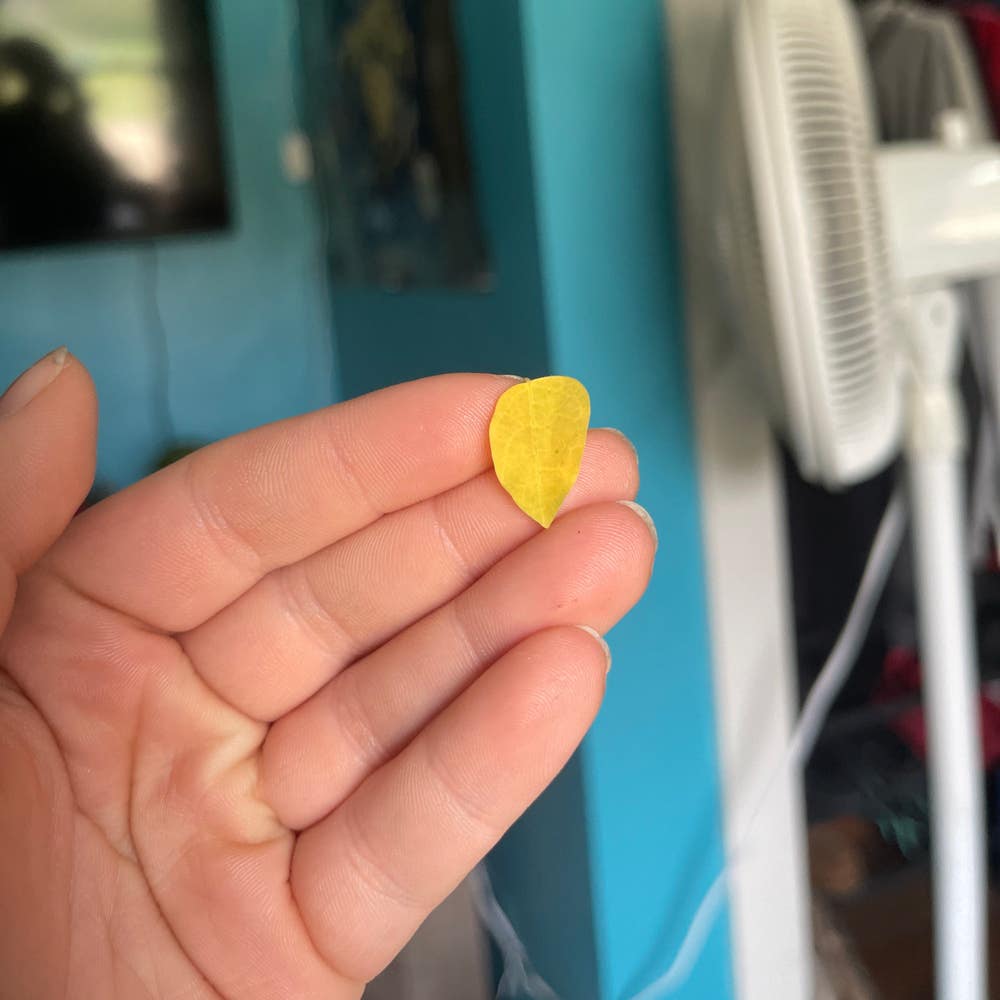
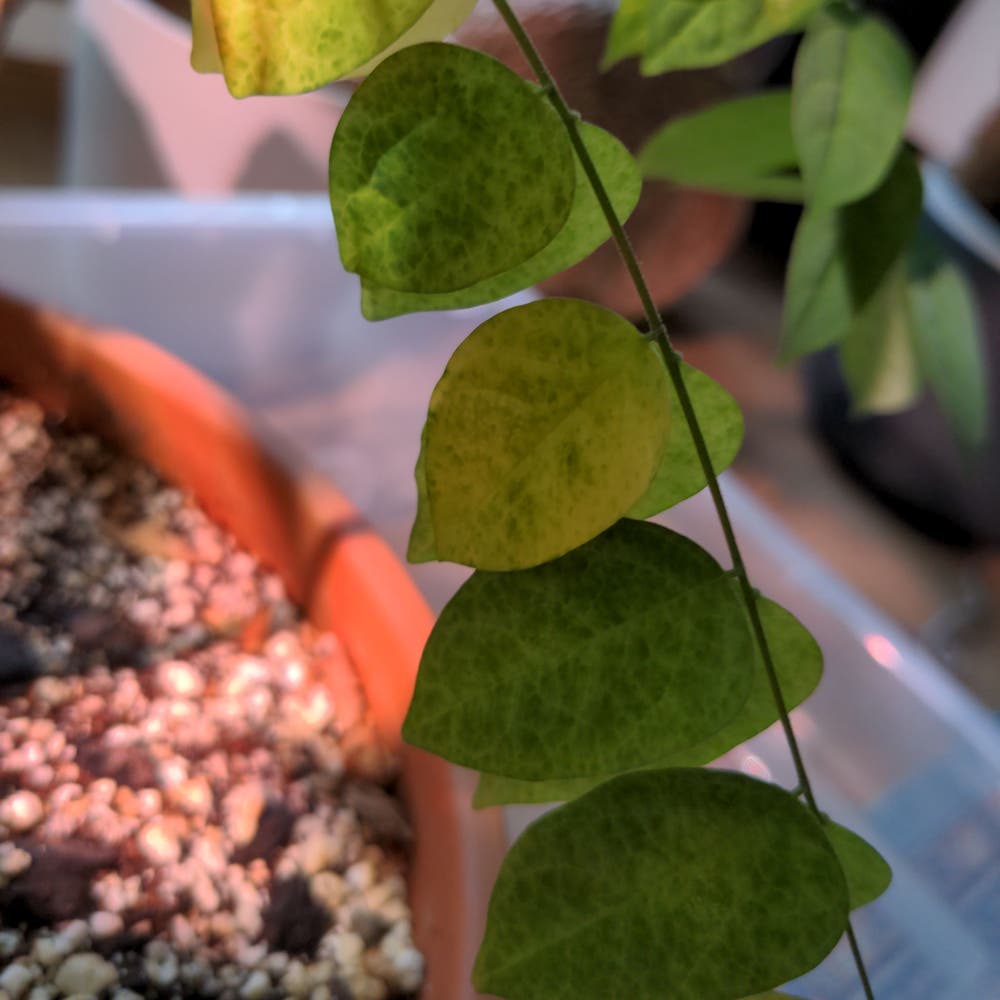
Temperature stress can manifest in several visual indicators. Look for yellowing leaves, wilting, and leaf drop as signs that your bilimbi may be struggling.
Additionally, temperature stress can negatively impact fruit development, resulting in smaller and less flavorful fruit. Keeping an eye on these signs can help you take action before the situation worsens.
Causes of Temperature Stress ❄️🔥
There are two primary causes of temperature stress in bilimbi: cold stress and heat stress. Cold stress occurs when temperatures drop below 10°C (50°F), while heat stress arises when temperatures exceed 35°C (95°F).
Sudden temperature fluctuations can exacerbate these stresses, making it vital to monitor conditions closely. Being aware of these factors can help you maintain a healthier environment for your bilimbi.
Recovery Strategies for Temperature-Stressed Bilimbi 🛠️
When you notice signs of temperature stress, immediate action is crucial. For cold stress, consider moving the plant to a warmer location or using protective coverings to shield it from the cold.
In the case of heat stress, providing shade or increasing watering can help the plant recover. Long-term strategies, such as selecting resilient varieties and improving growing conditions, can enhance your bilimbi's ability to withstand temperature fluctuations.
By understanding and addressing these temperature needs, you can ensure your bilimbi thrives, leading to a bountiful harvest. Next, we'll explore the specific signs of temperature stress and how to identify them effectively.
⚠️ Safety First
This content is for general information and may contain errors, omissions, or outdated details. It is not medical, veterinary advice, or an endorsement of therapeutic claims.
Always consult a qualified healthcare professional before using any plant as food, medicine, or supplement.
Never eat any plant (or feed one to pets) without confirming its identity with at least two trusted sources.
If you suspect poisoning, call Poison Control (800) 222-1222, the Pet Poison Helpline (800) 213-6680, or your local emergency service immediately.
Spotted an error? Please report it here.
Keep your bilimbi thriving and producing delicious fruit 🍈 by using Greg's tailored reminders to maintain the perfect temperature range for success!