Ultimate Guide to Soil for Bilimbi 🍈
Averrhoa bilimbi
By the Greg Editorial Team
Nov 26, 2024•6 min read
This article was created with the help of AI so we can cover more plants for you. May contain errors. See one? Report it here.
- 🌱 Bilimbi thrives in well-draining, nutrient-rich loamy soil for optimal growth.
- 🔍 Maintain soil pH between 5.5 and 7.0 for effective nutrient absorption.
- 🚫 Poor drainage leads to root rot; ensure proper soil mix and moisture checks.
Soil Requirements for Bilimbi
Ideal Soil Composition 🌱
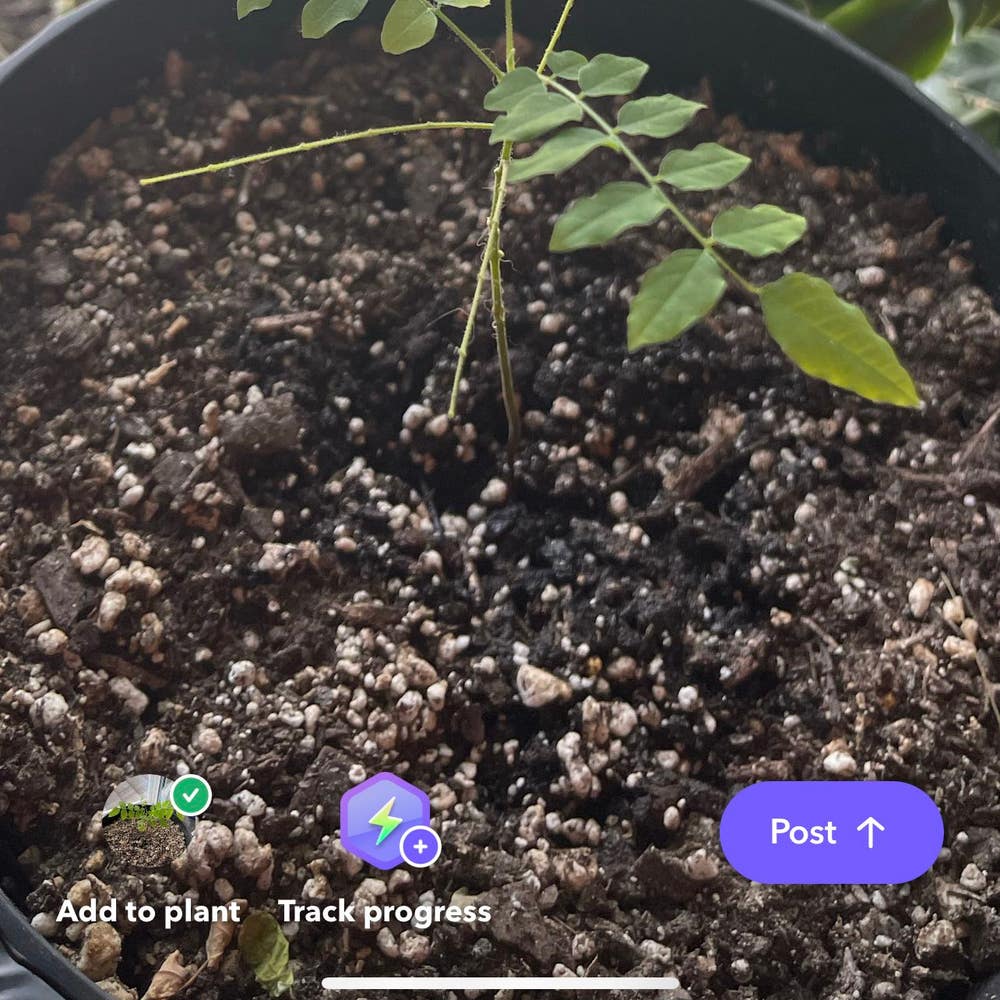
For healthy Bilimbi growth, well-draining, nutrient-rich soil is non-negotiable. The right soil composition ensures your plant thrives and produces fruit.
Recommended Soil Types
- Loamy Soil: This is the gold standard, balancing drainage and nutrient retention perfectly.
- Sandy Soil: While it enhances drainage, it may need extra nutrients to support Bilimbi.
- Organic Matter: Incorporating compost or well-rotted manure boosts fertility and enriches the soil.
Soil pH and Drainage ⚖️
Maintaining the ideal pH range of 5.5 to 7.0 is crucial for optimal nutrient uptake. Slightly acidic conditions enhance nutrient availability, so regular pH testing is a smart practice.
Importance of pH
A balanced pH level allows Bilimbi to absorb nutrients effectively. Neglecting this can lead to nutrient deficiencies and poor plant health.
Drainage Considerations
Bilimbi plants have shallow root systems, making them sensitive to waterlogged conditions. Poor drainage can lead to serious issues.
Signs of Poor Drainage
- Water Pooling: If you see water sitting on the surface, that's a red flag.
- Slow Absorption: If water takes too long to soak in, your soil may need attention.
Recommended Drainage Solutions
To improve drainage, consider these options:
- Raised Beds or Pots: Ensure they have drainage holes to prevent water accumulation.
- Soil Amendments: Incorporate perlite or sand into your soil mix to enhance drainage.
By focusing on these soil requirements, you set the stage for a thriving Bilimbi plant. Next, let's explore how to identify unhealthy soil and what you can do about it.
Identifying Unhealthy Soil
Signs and Solutions for Unhealthy Soil 🌱
Recognizing unhealthy soil is crucial for maintaining the vitality of your Bilimbi plants. Start by observing visual indicators, such as a moldy soil surface, which may appear as white or gray mold growth. A foul odor often signals anaerobic conditions, indicating that your soil is not in good shape.
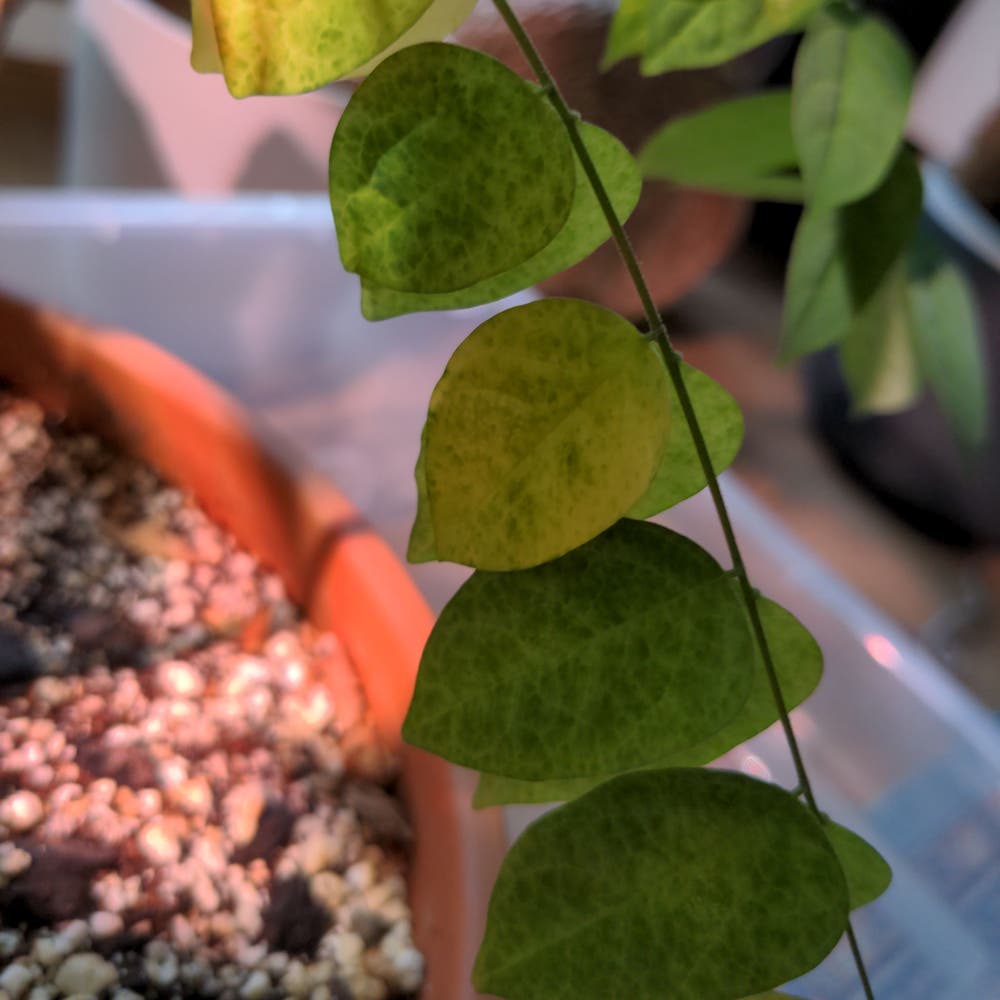
Next, pay attention to your plants. If they are wilting despite adequate watering or displaying yellowing leaves and stunted growth, these are clear signs of soil issues.
Common Issues ⚠️
Two common problems you might encounter are moldy soil and root rot. Moldy soil typically arises from overwatering or poor air circulation. To remedy this, improve drainage and reduce your watering frequency.
Root rot is another serious concern. Symptoms include soft, mushy roots and a foul smell. To prevent root rot, ensure proper drainage and avoid waterlogging your soil.
By staying vigilant and addressing these signs promptly, you can keep your Bilimbi thriving and healthy. Next, let’s explore how to create a homemade soil mix that supports optimal growth.
Creating a Homemade Soil Mix
Step-by-Step Guide to Making a Bilimbi Soil Mix 🌱
Creating the perfect soil mix for your Bilimbi is essential for its growth and health. Follow these simple steps to craft a nutrient-rich blend.
Gather Materials:
- 40% loamy soil
- 30% compost
- 20% perlite or coarse sand
- 10% peat moss (optional for moisture retention)
Mix Thoroughly: Combine all the materials in a large container. Ensure that everything is evenly distributed for optimal results.
Test pH: After mixing, it's crucial to check the pH level of your soil. You can adjust it by adding lime to raise the pH or sulfur to lower it, ensuring it falls within the ideal range of 5.5 to 7.0.
Why This Mix Works 🌿
This homemade soil mix balances drainage and nutrient retention, which is vital for Bilimbi's shallow root system. The loamy soil provides a solid foundation, while compost enriches it with essential nutrients.
Perlite or coarse sand enhances drainage, preventing waterlogging, which can be detrimental to the plant. If you choose to add peat moss, it will help retain moisture, especially during dry spells.
Final Thoughts 🌟
By following these steps, you'll create a thriving environment for your Bilimbi. This mix not only supports healthy growth but also allows you to take control of your gardening journey.
Next, let’s explore how to improve your Bilimbi soil with amendments and enhancements for even better results.
Soil Amendments and Enhancements
🌱 Best Practices for Improving Bilimbi Soil
To cultivate healthy Bilimbi plants, enhancing your soil is crucial. Start by incorporating organic matter such as compost, well-rotted manure, or leaf mold. These materials enrich the soil, boosting its fertility and structure.
Minerals also play a vital role in soil health. Rock phosphate is an excellent source of phosphorus, while greensand provides potassium, essential for robust plant growth.
🥬 How to Incorporate Organic Matter
There are two effective methods to integrate organic matter into your soil.
Top Dressing: Simply spread a layer of compost on the soil surface. This method allows nutrients to gradually seep into the soil, benefiting your plants over time.
Mixing: For a more thorough approach, blend organic matter into the top 6-12 inches of soil. This ensures that nutrients are readily available to the root systems.
By following these best practices, you can significantly enhance the quality of your Bilimbi soil. Healthy soil leads to thriving plants, setting the stage for a fruitful harvest.
Next, let’s explore how to maintain soil health for your Bilimbi plants.
Maintaining Soil Health
Best Practices for Soil Care 🌱
Maintaining healthy soil is crucial for the thriving growth of your Bilimbi plants. Regularly checking soil moisture is essential; overwatering can lead to root rot and other issues.
Rotate Planting Areas 🔄
Rotating planting areas helps prevent nutrient depletion and reduces the risk of pest buildup. This practice keeps your soil vibrant and your plants healthy.
Seasonal Considerations 🌸
Spring is the perfect time to test your soil and amend it as needed before planting. In the fall, adding organic matter prepares your soil for the winter months, enriching it for the next growing season.
Refreshing Soil ♻️
Annual soil testing is a smart move to adjust pH and nutrient levels accordingly. Additionally, replenishing organic matter by top dressing with compost every growing season ensures your soil remains nutrient-rich and ready for Bilimbi growth.
By following these best practices, you can cultivate a thriving environment for your Bilimbi plants, setting the stage for a bountiful harvest. Next, let's explore soil amendments and enhancements to further boost your soil's health.
⚠️ Safety First
This content is for general information and may contain errors, omissions, or outdated details. It is not medical, veterinary advice, or an endorsement of therapeutic claims.
Always consult a qualified healthcare professional before using any plant as food, medicine, or supplement.
Never eat any plant (or feed one to pets) without confirming its identity with at least two trusted sources.
If you suspect poisoning, call Poison Control (800) 222-1222, the Pet Poison Helpline (800) 213-6680, or your local emergency service immediately.
Spotted an error? Please report it here.
Grow vibrant Bilimbi plants 🌱 by using Greg's tailored soil tips and reminders to create the perfect nutrient-rich environment for success!