💧 8 Tips for Watering Your Bilimbi
Averrhoa bilimbi
By the Greg Editorial Team
Nov 26, 2024•5 min read
This article was created with the help of AI so we can cover more plants for you. May contain errors. See one? Report it here.
- 💧 Water bilimbi every 2-3 days in heat; weekly in cooler weather for optimal growth.
- 🌱 Adjust watering based on humidity and temperature to prevent over or under-watering.
- 📅 Create a seasonal watering schedule to support healthy fruit production and plant health.
How Often to Water Bilimbi
💧 General Watering Frequency
Watering your bilimbi is crucial for its health. During hot weather, aim to water every 2-3 days, while in cooler conditions, once a week is sufficient.
Environmental factors play a significant role in determining your watering routine. Keep an eye on humidity, temperature, and the plant's growth stage to make necessary adjustments.
🌦️ Seasonal Considerations
As your bilimbi enters its fruiting cycle, it will require more moisture. Increased watering during this period ensures the plant has the hydration it needs to produce healthy fruit.
Conversely, during dormant periods or cooler months, you can reduce watering. This helps prevent over-saturation and keeps your bilimbi thriving year-round.
With a solid understanding of watering frequency, you can ensure your bilimbi receives the right amount of moisture. Next, let’s explore the signs of over-watering to keep your plant healthy and happy.
Signs of Over-Watering
🟡 Physical Symptoms
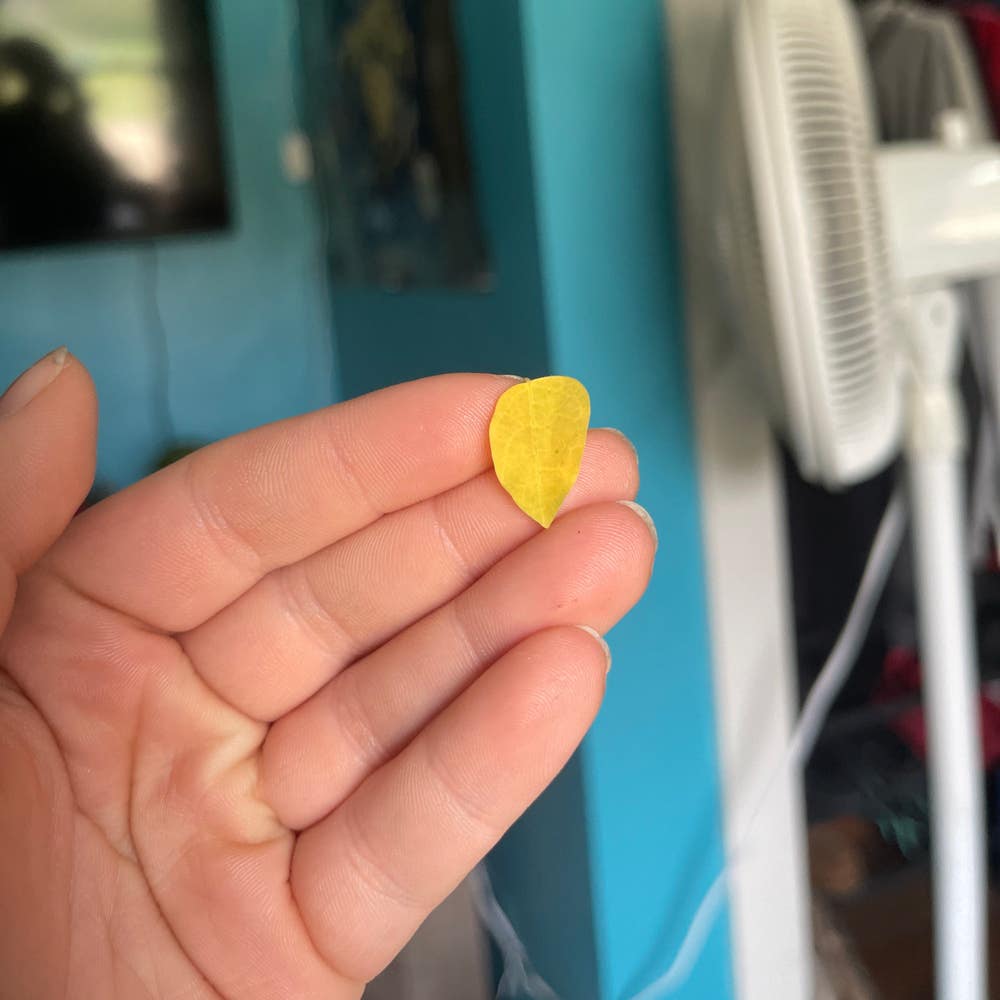
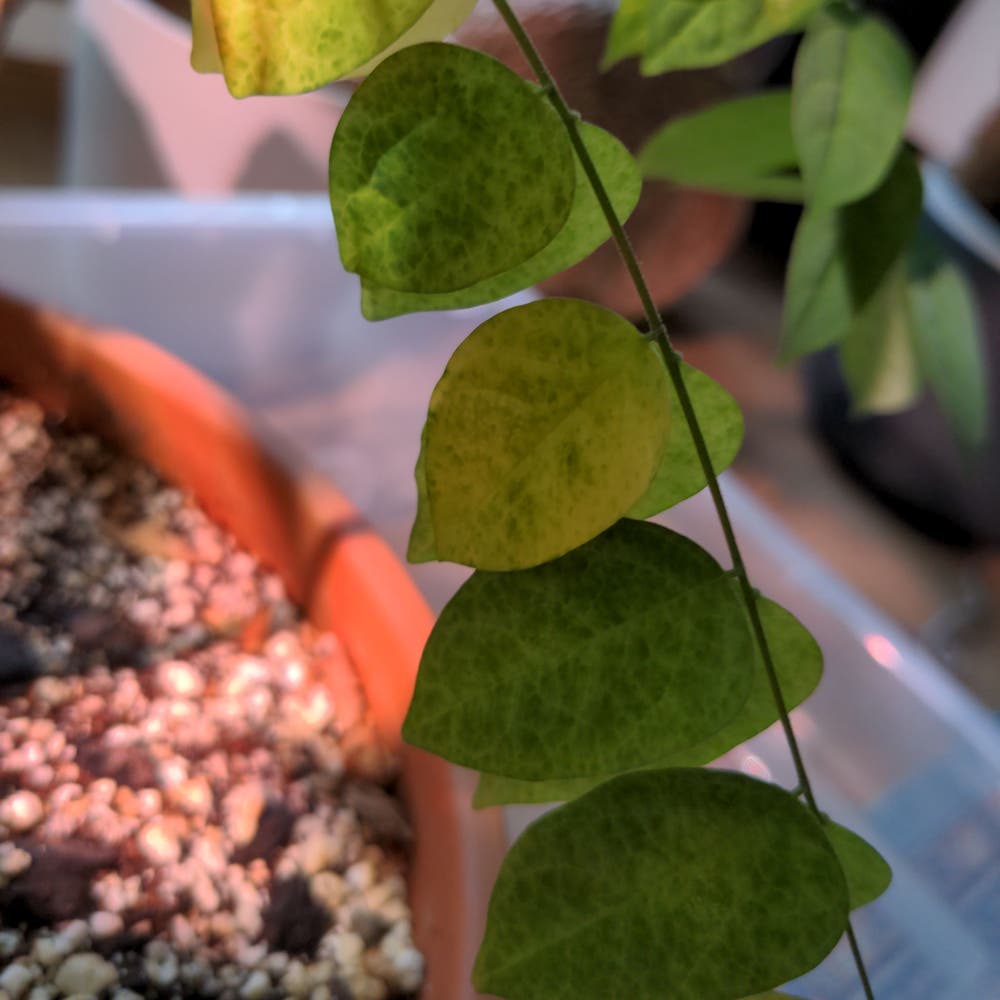
Over-watering your bilimbi can lead to noticeable physical symptoms. Look out for yellowing leaves and wilting, even when the soil is wet.
Another critical sign is root rot, which manifests as mushy, dark roots when you inspect the plant. This condition can severely impact your bilimbi's health.
🌧️ Environmental Indicators
Environmental clues can also indicate over-watering. Persistent waterlogged soil is a red flag, often accompanied by unpleasant odors emanating from the potting medium.
If you notice these signs, it’s time to reassess your watering habits to ensure your bilimbi thrives.
🚫 Prevention Strategies
Preventing over-watering is essential for maintaining a healthy bilimbi. Start by ensuring proper drainage in your pots; this allows excess water to escape.
Additionally, avoid letting the plant sit in standing water, as this can lead to root problems. By taking these simple steps, you can keep your bilimbi happy and healthy.
Understanding the signs of over-watering is crucial, but recognizing the signs of under-watering is equally important. Let’s explore how to identify when your bilimbi needs more water.
Signs of Under-Watering
🌿 Physical Symptoms
Under-watering your bilimbi can lead to noticeable physical symptoms. Look out for wilting leaves and dry, crispy edges that signal your plant is thirsty.
📉 Stunted Growth
Another sign of under-watering is stunted growth, which can result in reduced fruit production. If your bilimbi isn't thriving, it might be time to reassess your watering habits.
🌵 Environmental Indicators
Pay attention to the soil around your bilimbi. If you notice the soil pulling away from the edges of the pot, it's a clear indication of dryness.
🚰 Prevention Strategies
To prevent under-watering, make it a habit to regularly check soil moisture. Adjust your watering frequency based on the moisture levels to keep your bilimbi healthy and vibrant.
By staying vigilant about these signs, you can ensure your bilimbi receives the right amount of water, promoting robust growth and fruiting. Next, let's explore effective watering techniques to maintain optimal moisture levels.
Measuring Soil Moisture
🛠️ Tools for Measuring Soil Moisture
Understanding when to water your bilimbi starts with knowing the moisture level in the soil. A soil moisture meter is a handy tool, available in both digital and analog formats, that provides accurate readings.
For those who prefer a more hands-on approach, there are DIY methods. You can use a simple finger test or a wooden stick to gauge moisture levels without any fancy gadgets.
📏 How to Check Soil Moisture Levels
To effectively measure soil moisture, follow these steps:
- Insert a moisture meter into the soil down to the root level for an accurate reading.
- For the finger test, insert your finger about 1-2 inches into the soil. If it feels dry, it’s time to water.
- Using the stick method, insert a clean stick into the soil and check for dampness. If it comes out dry, your plant needs hydration.
🚨 Indicators That Bilimbi Needs More or Less Water
Monitoring moisture levels is crucial for your bilimbi's health. Aim for moisture meter readings of 3-4 on a scale of 1-10, indicating the soil is adequately moist.
When using the finger test, the soil should feel slightly moist but not soggy. If it feels dry or pulls away from the pot's edges, it’s a sign that your bilimbi needs more water.
By regularly checking soil moisture, you can ensure your bilimbi thrives and produces delicious fruit. Next, let’s explore how to create a watering schedule that aligns with your plant's needs.
Creating a Watering Schedule
Establishing a Routine 🌱
Creating a watering schedule is essential for your bilimbi's health. Base it on seasonal changes and the plant's growth stages to ensure it receives the right amount of moisture.
Regularly monitor environmental conditions, such as humidity and temperature, to adjust your schedule as needed. This proactive approach helps your bilimbi thrive throughout the year.
Using the Greg Plant Care App for Reminders 📱
To simplify your watering routine, consider using the Greg Plant Care app. This handy tool allows you to set reminders based on your established schedule.
Additionally, the app helps track moisture levels and sends alerts when it's time to check the soil. With technology on your side, keeping your bilimbi hydrated has never been easier!
By following these steps, you can ensure your bilimbi receives consistent care, setting the stage for healthy growth and fruitful harvests. Next, let’s explore effective watering techniques to further enhance your plant care routine.
⚠️ Safety First
This content is for general information and may contain errors, omissions, or outdated details. It is not medical, veterinary advice, or an endorsement of therapeutic claims.
Always consult a qualified healthcare professional before using any plant as food, medicine, or supplement.
Never eat any plant (or feed one to pets) without confirming its identity with at least two trusted sources.
If you suspect poisoning, call Poison Control (800) 222-1222, the Pet Poison Helpline (800) 213-6680, or your local emergency service immediately.
Spotted an error? Please report it here.
Keep your bilimbi thriving and fruitful 🍈 by using Greg's personalized watering reminders and moisture tracking to master your plant care routine!