Ultimate Guide to Fixing Dropping Leaves on Bilimbi 😖
Averrhoa bilimbi
By the Greg Editorial Team
Nov 22, 2024•6 min read
This article was created with the help of AI so we can cover more plants for you. May contain errors. See one? Report it here.
- 🌡️💧 Bilimbi thrives in 20-30°C with 60% humidity; maintain these for healthy leaves.
- 🚫💧 Overwatering and underwatering both cause leaf drop; monitor soil moisture closely.
- 🐛🌱 Pests and nutrient deficiencies lead to leaf drop; early detection and fertilization are key.
Causes of Leaf Drop
🌪️ Environmental Stress Factors
Temperature fluctuations can wreak havoc on your bilimbi plant. Ideally, it thrives in temperatures ranging from 20°C to 30°C (68°F to 86°F), so keep an eye on those thermometers!
Humidity is another critical factor. Bilimbi plants prefer high humidity levels of 60% or more, making them feel right at home.
Sudden changes in the environment can also stress your plant. Moving it around or exposing it to drafts can lead to leaf drop, so be gentle with your green friend.
💧 Watering Issues
Overwatering
Overwatering is a common culprit behind leaf drop. Look for signs like yellowing leaves, soggy soil, and root rot to identify the issue early.
To prevent overwatering, ensure your soil drains well and check moisture levels regularly. A little vigilance goes a long way!
Underwatering
On the flip side, underwatering can also cause distress. If you notice wilting leaves, dry soil, or leaf drop, your plant might be thirsty.
Regularly monitor soil moisture and adjust your watering frequency accordingly. Your bilimbi will thank you for it!
🥦 Nutrient Deficiencies
Nitrogen Deficiency
Nitrogen deficiency can lead to yellowing of older leaves and stunted growth. If you spot these symptoms, it's time to act.
Using a balanced fertilizer with adequate nitrogen content can help restore your plant's health. A little boost can make a big difference!
Potassium Deficiency
Potassium deficiency shows up as browning leaf edges and weak stems. If you see these signs, don’t ignore them.
Applying potassium-rich fertilizers or organic amendments can help your plant regain its strength. Healthy plants are happy plants!
🐛 Pest Infestations
Common Pests
Aphids and spider mites are common pests that can cause significant damage. Look for curled leaves and sticky residue for aphids, or fine webbing and stippled leaves for spider mites.
Keeping a close watch on your plant can help catch these pests early. Prevention is always better than cure!
Control Methods
Regular inspection and early intervention are key to managing pest infestations. If you spot any unwelcome guests, consider using insecticidal soap or neem oil for treatment.
These methods can help keep your bilimbi healthy and thriving.
🦠 Fungal Infections and Diseases
Fungal infections like root rot and leaf spot diseases can also lead to leaf drop. Symptoms include dark spots on leaves, wilting, and, of course, leaf drop.
To prevent these issues, ensure proper air circulation around your plant and avoid overhead watering. A little care can go a long way in keeping your bilimbi vibrant!
Understanding these causes of leaf drop is crucial for maintaining a healthy bilimbi plant. With the right knowledge, you can take proactive steps to prevent and treat these issues effectively. Next, let’s dive into how to diagnose leaf drop symptoms accurately!
Diagnosing Leaf Drop
🌿 Identifying Symptoms of Leaf Drop
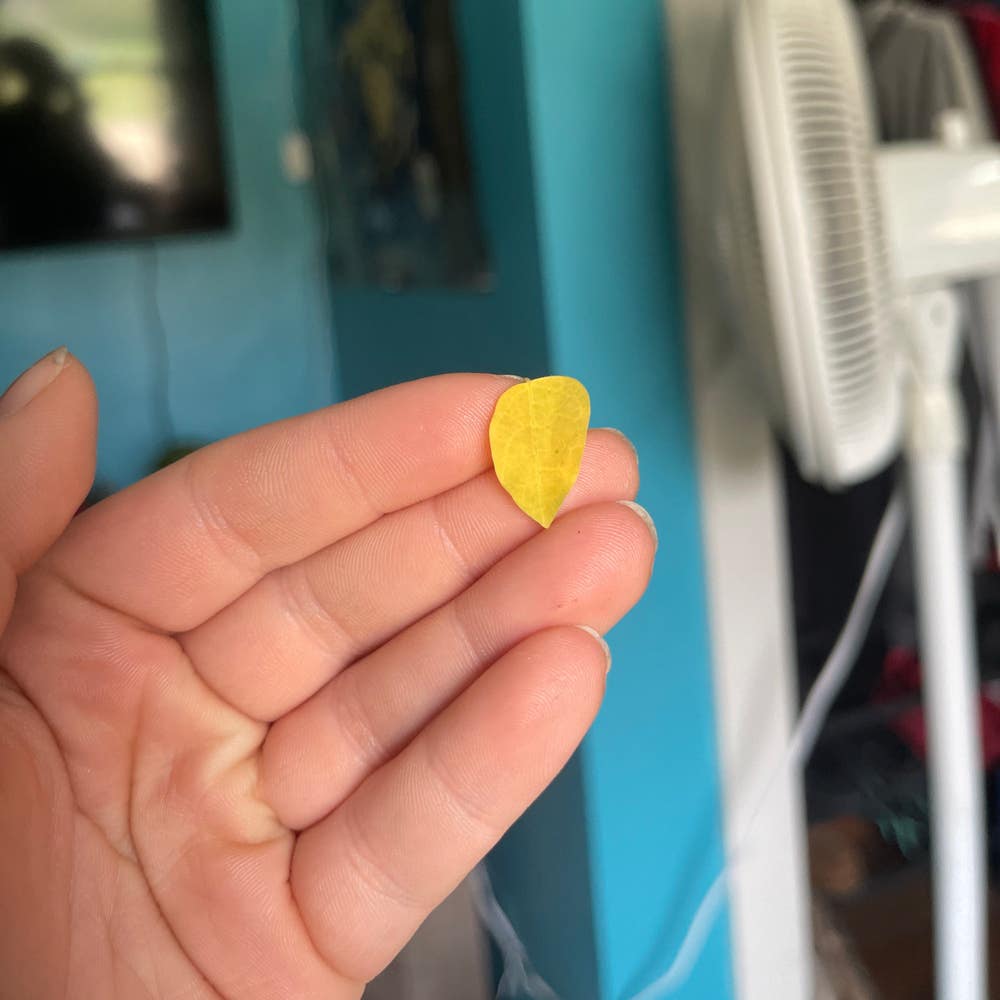
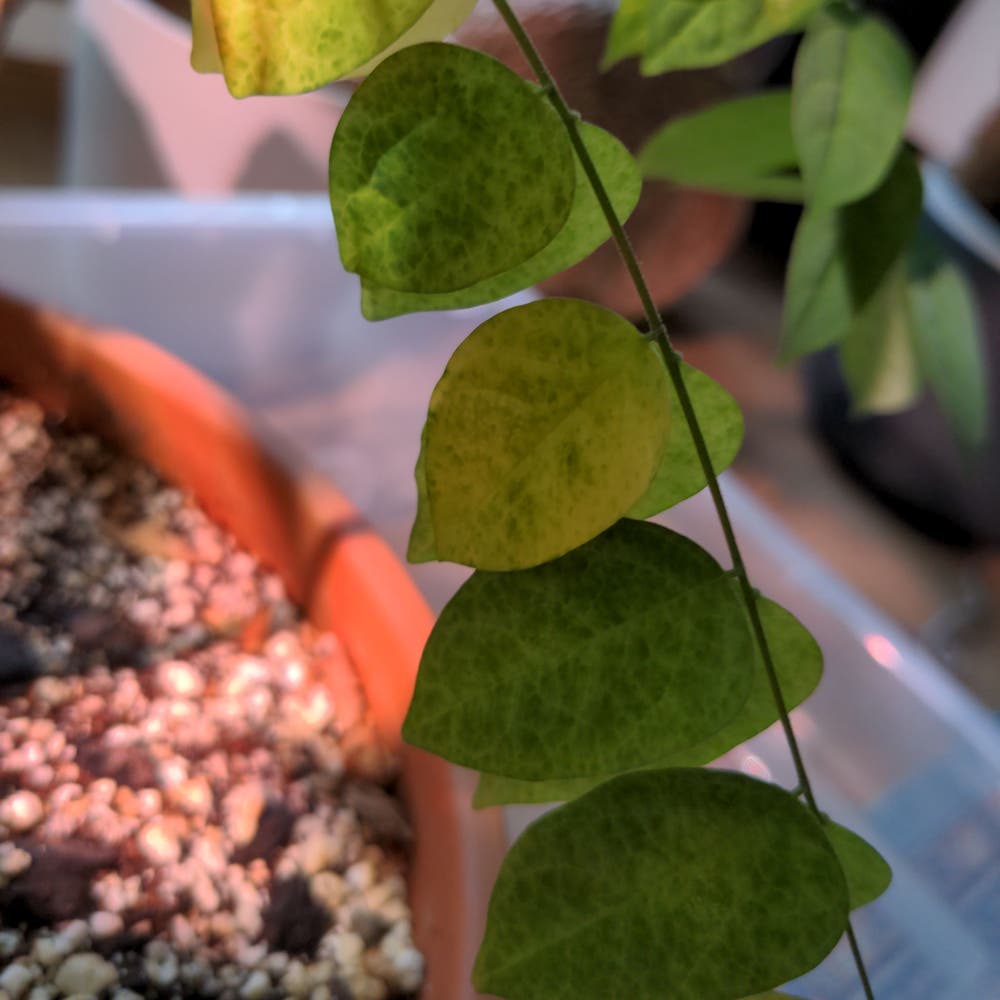
When diagnosing leaf drop on your bilimbi, start by looking for visual signs. Yellowing leaves, wilting, and premature leaf drop are key indicators that something is amiss.
Timing is also crucial. Pay attention to whether the leaf drop coincides with any recent environmental changes, as this can provide valuable clues.
🔍 Differentiating Between Natural Leaf Drop and Problematic Drop
It's essential to distinguish between natural and problematic leaf drop. Natural leaf drop typically occurs seasonally and affects older leaves, while problematic drop is characterized by sudden and excessive leaf loss.
If you notice a rapid decline in leaf health, it’s often linked to stressors like environmental shifts or pest infestations.
🏡 Observing Plant Environment and Conditions
Take a closer look at your plant's environment. Check for signs of pests or diseases, as these can significantly impact leaf health.
Next, assess the soil moisture and drainage. Overly wet or dry conditions can lead to stress, causing leaves to drop.
Finally, evaluate light exposure and temperature stability. Ensure your bilimbi is receiving adequate light and is protected from extreme temperature fluctuations.
By carefully observing these factors, you can pinpoint the cause of leaf drop and take appropriate action. This proactive approach will help ensure your bilimbi thrives and remains healthy.
Preventing Leaf Drop
Best Practices for Watering 🌊
To keep your bilimbi thriving, maintain consistent soil moisture without over-saturating it. A simple way to check moisture levels is the finger test; insert your finger into the soil up to the second knuckle. If it feels dry, it’s time to water.
Soil Composition and Amendments 🪴
The ideal soil for bilimbi is well-draining loamy soil enriched with organic matter. To enhance drainage and nutrient retention, consider incorporating compost or peat moss into your soil mix.
Fertilization Schedule and Nutrient Management 🌱
A regular fertilization schedule is crucial for healthy growth. Aim to fertilize every 4-6 weeks during the growing season using balanced NPK fertilizers that include essential micronutrients.
Pest Management Strategies 🐞
Regular monitoring is key to preventing pest infestations. Inspect your bilimbi's leaves and stems weekly, and consider introducing beneficial insects like ladybugs to help keep pest populations in check.
Environmental Control 🌤️
Creating the right environment is essential for your bilimbi's health. Ensure it receives full sun for 6-8 hours daily, protect it from extreme temperatures, and enhance humidity levels by using misting or humidity trays in drier conditions.
By implementing these preventive measures, you can significantly reduce the risk of leaf drop and promote a vibrant, healthy bilimbi. Next, let’s explore how to treat leaf drop effectively when it occurs.
Treating Leaf Drop
Step-by-Step Guide to Adjusting Watering Practices 🌊
Adjusting your watering practices is crucial for preventing leaf drop. Start by assessing your current watering schedule and checking the soil moisture.
Next, modify the frequency based on seasonal needs and how your plant responds. Finally, ensure proper drainage to prevent root rot, which can be detrimental to your bilimbi.
How to Amend Soil for Nutrient Deficiencies 🌱
Soil health plays a significant role in plant vitality. Begin by testing your soil for nutrient levels using a soil test kit.
Once you identify deficiencies, select appropriate fertilizers to address them. Incorporate these amendments into the top 2-3 inches of soil for optimal absorption.
Pest Control Methods 🐛
Organic Options
Pest management is essential for maintaining healthy leaves. For organic solutions, consider applying neem oil to affected areas every 7-14 days.
Insecticidal soap is another effective option; just follow the product instructions for best results.
Chemical Options
If infestations become severe, you may need to resort to chemical options. Systemic insecticides can be effective, but always follow safety guidelines and application rates to protect your plant and environment.
Treatment for Fungal Infections 🍄
Fungal infections can lead to significant leaf drop if not addressed. Start by identifying the type of fungal issue, such as root rot.
Apply appropriate fungicides or organic treatments based on your diagnosis. Additionally, improve air circulation around your plant and reduce watering frequency to help combat these issues.
Pruning Techniques to Promote Healthy Growth ✂️
Pruning is a vital practice for encouraging new growth. Begin by identifying any dead or damaged leaves and stems that need removal.
Use clean, sharp pruning shears for precise cuts. Prune during the growing season to stimulate healthy growth and rejuvenate your bilimbi.
With these treatment strategies, you can effectively manage leaf drop and foster a thriving bilimbi plant. Next, let’s explore preventative measures to keep your plant healthy and vibrant.
⚠️ Safety First
This content is for general information and may contain errors, omissions, or outdated details. It is not medical, veterinary advice, or an endorsement of therapeutic claims.
Always consult a qualified healthcare professional before using any plant as food, medicine, or supplement.
Never eat any plant (or feed one to pets) without confirming its identity with at least two trusted sources.
If you suspect poisoning, call Poison Control (800) 222-1222, the Pet Poison Helpline (800) 213-6680, or your local emergency service immediately.
Spotted an error? Please report it here.
Keep your bilimbi leafy and lush 🍃 by using Greg's tailored watering alerts and expert tips to tackle leaf drop issues head-on!