Ultimate Guide to Fixing Leaves Falling Over on Bilimbi 🍈
Averrhoa bilimbi
By the Greg Editorial Team
Nov 22, 2024•4 min read
This article was created with the help of AI so we can cover more plants for you. May contain errors. See one? Report it here.
- 🌱 Leaf drop in Bilimbi can signal stress; watch for yellowing and wilting leaves.
- 💧 Water consistently when the top inch of soil is dry, usually every 5-7 days.
- 🌞 Bright, indirect light is essential; ensure your Bilimbi gets enough sunlight.
Diagnosing Leaf Problems
Identifying Symptoms of Leaf Drop 🌿
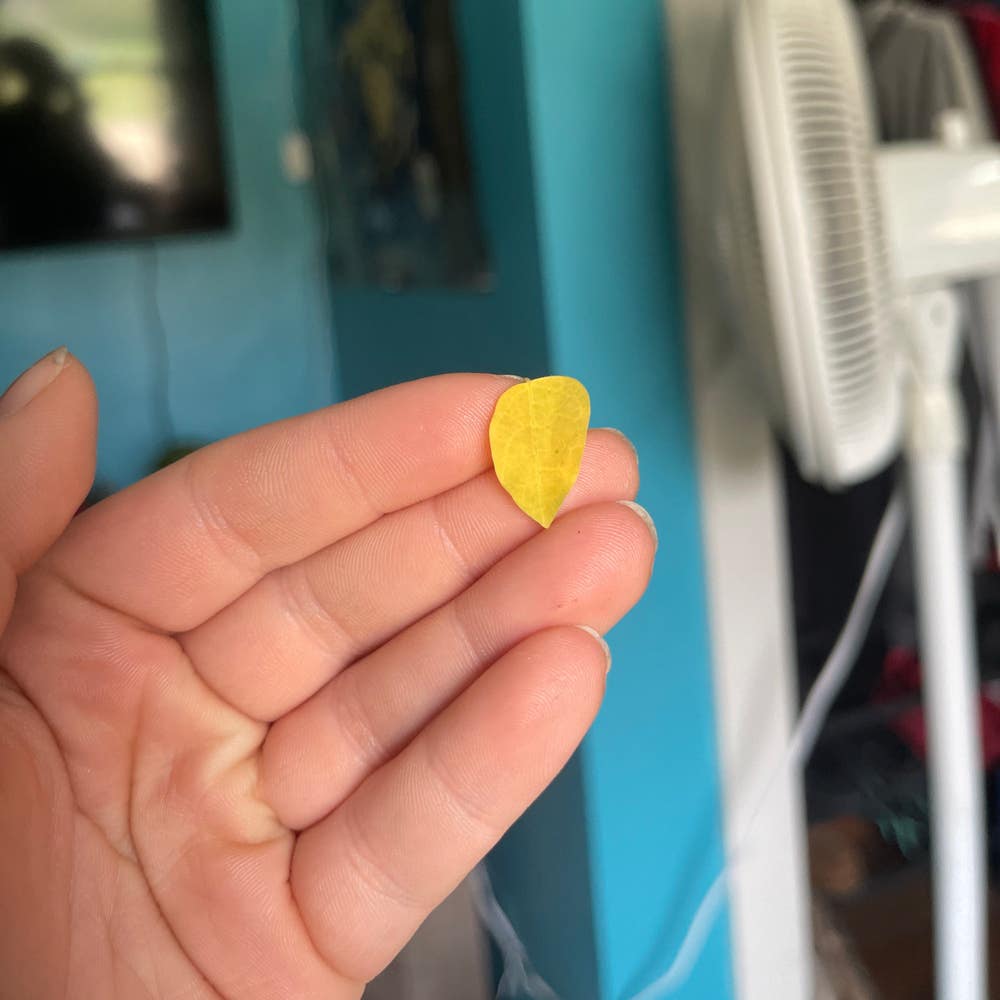
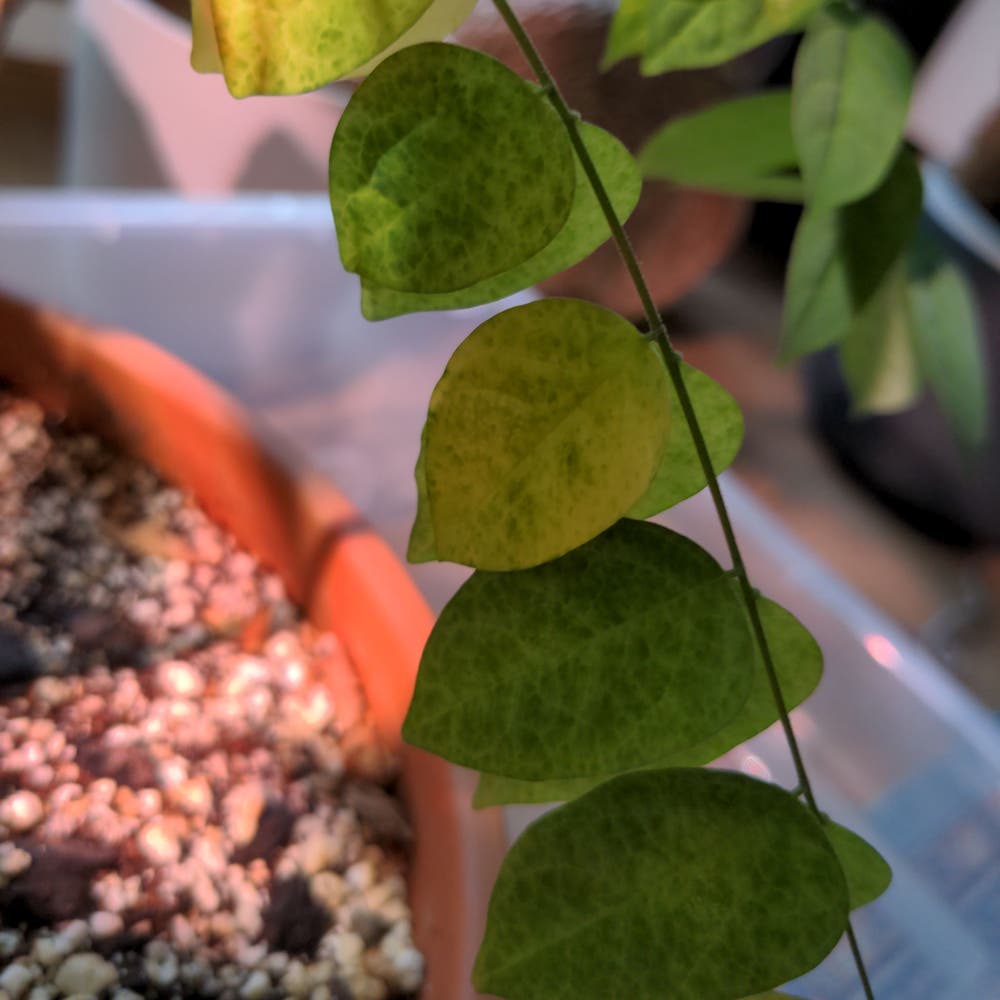
When it comes to diagnosing leaf drop in your Bilimbi, the first step is to look for visual signs. Yellowing, curling, and wilting leaves are key indicators that something is off.
Timing also plays a crucial role. Observe if the leaf drop coincides with seasonal changes or if it happens suddenly, which can signal a more serious issue.
Differentiating Between Natural Leaf Drop and Stress-Related Drop ⚖️
Understanding the difference between natural leaf drop and stress-related drop is essential. Natural shedding often occurs in response to seasonal changes, while stress indicators may suggest environmental or care-related problems.
Look for signs of stress, such as sudden leaf loss or persistent wilting. These symptoms can indicate that your plant is struggling to cope with its conditions.
Assessing Plant Health Through Leaf Condition 🥬
The condition of your leaves can tell you a lot about your plant's overall health. Pay attention to leaf texture and color; healthy leaves are typically vibrant and firm.
Additionally, evaluate growth patterns. New growth should be robust and consistent, while excessive leaf loss can signal underlying health issues that need addressing.
Preventing Leaf Drop
💧 Optimal watering practices for Bilimbi
Maintaining consistent moisture is crucial for Bilimbi health. Water your plant when the top inch of soil feels dry, typically every 5 to 7 days, depending on the climate.
Overwatering can lead to root rot, a common issue for Bilimbi. Watch for yellowing leaves, a mushy stem, or a foul smell from the soil, which are all signs that you might be giving your plant too much water.
🌱 Soil requirements and amendments
Bilimbi thrives in well-draining soil that retains some moisture without becoming soggy. Aim for a mix that includes sandy loam or potting soil with good aeration.
To improve soil health, consider adding organic matter like compost or well-rotted manure. These amendments enhance drainage and provide essential nutrients for your plant.
🌿 Importance of proper fertilization
A regular fertilization schedule supports robust growth and vibrant leaves. Fertilize Bilimbi every 4 to 6 weeks during the growing season, using a balanced fertilizer.
For optimal health, look for fertilizers with an NPK ratio of 10-10-10 or similar. This balanced approach ensures your Bilimbi gets the nutrients it needs to thrive without overwhelming it.
By following these practices, you can create a nurturing environment for your Bilimbi, significantly reducing the risk of leaf drop. Next, we’ll explore effective methods for treating wilting leaves when they do occur.
Treating Leaf Drop
🌱 Step-by-step guide to treating wilting leaves
When your Bilimbi leaves start to wilt, it’s crucial to act quickly. Follow these steps to revive your plant.
Assess watering needs: Start by checking the soil moisture levels. Stick your finger about an inch into the soil; if it feels dry, it’s time to water.
Adjust watering schedule: Implement a consistent watering routine. Aim for a balance—water when the top inch of soil is dry, but avoid soaking the roots.
Inspect for pests: Look closely for signs of infestation. Check the undersides of leaves and along stems for any unwanted guests.
🐞 Recommended pest control methods
If pests are present, you have options for treatment.
Organic options: Consider using neem oil or insecticidal soap. These are effective and safe for your plant and the environment.
Chemical treatments: If the infestation is severe, you might need to resort to stronger pesticides. Use these as a last resort and follow the instructions carefully.
🌤️ Adjusting environmental conditions for better health
Creating the right environment is key to preventing further leaf drop.
Modifying light exposure: Ensure your Bilimbi gets adequate sunlight without scorching. A spot with bright, indirect light is ideal.
Humidity control: Maintain optimal humidity levels by misting the leaves or using a humidifier. Bilimbi thrives in a humid environment, so keep it cozy!
By following these steps, you can help your Bilimbi recover from leaf drop and promote healthier growth. Next, let’s explore how to prevent these issues from arising in the first place.
⚠️ Safety First
This content is for general information and may contain errors, omissions, or outdated details. It is not medical, veterinary advice, or an endorsement of therapeutic claims.
Always consult a qualified healthcare professional before using any plant as food, medicine, or supplement.
Never eat any plant (or feed one to pets) without confirming its identity with at least two trusted sources.
If you suspect poisoning, call Poison Control (800) 222-1222, the Pet Poison Helpline (800) 213-6680, or your local emergency service immediately.
Spotted an error? Please report it here.
Keep your Bilimbi thriving 🌱 by using Greg's personalized care reminders to monitor moisture, light, and nutrients, ensuring those leaves stay vibrant and healthy!