10 Tips for How to Plant Bilimbi 🍈
Averrhoa bilimbi
By the Greg Editorial Team
Nov 26, 2024•5 min read
This article was created with the help of AI so we can cover more plants for you. May contain errors. See one? Report it here.
- 🌱 Plant bilimbi in spring or late summer for optimal growth and fruit production.
- 🌞 Ensure 6-8 hours of full sun daily for healthy bilimbi plants.
- 🏡 Transplant established bilimbi carefully to avoid shock and promote immediate fruiting.
New vs. Transplanting Established Bilimbi
🌱 Benefits of Planting New Bilimbi
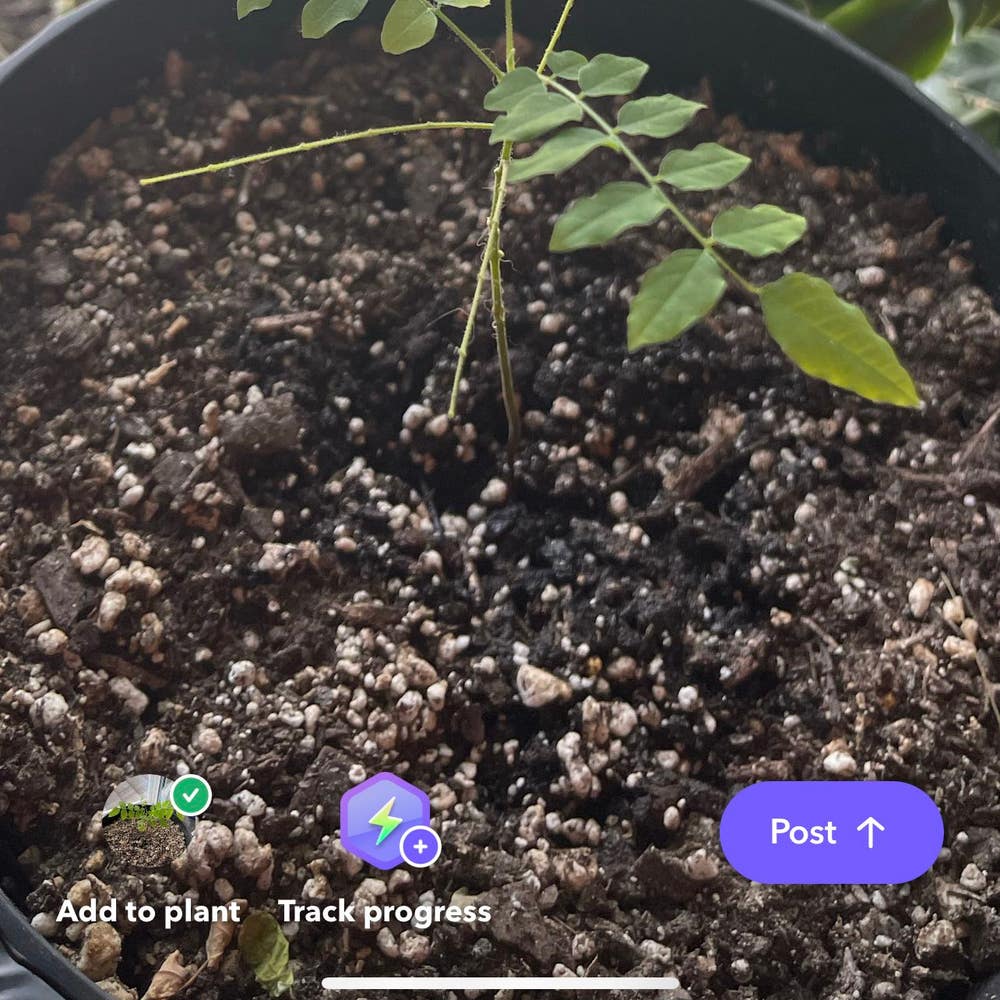
Planting new bilimbi offers several advantages. You gain greater control over the initial growing conditions, allowing you to create an ideal environment for your plants.
Additionally, you have the opportunity to select healthy, disease-free seedlings. This choice can lead to potentially faster establishment in optimal conditions, setting the stage for a thriving plant.
⚠️ Drawbacks of Planting New Bilimbi
However, there are some downsides to consider. New bilimbi plants typically take longer to mature and produce fruit, which can test your patience.
Moreover, the initial costs for seeds or seedlings can add up. You'll also need to provide more care during the establishment phase to ensure their success.
🍇 Benefits of Transplanting Established Bilimbi
On the flip side, transplanting established bilimbi can be quite rewarding. If the plant is mature, you may enjoy immediate fruit production, which is a significant perk.
An established root system often adapts better to new conditions, reducing the stress on the plant. Plus, you'll find that less initial care is required compared to nurturing seedlings.
🚧 Drawbacks of Transplanting Established Bilimbi
Yet, transplanting isn't without its challenges. There's a risk of transplant shock, which can negatively affect growth and overall health.
Additionally, the process can lead to potential root damage if not done carefully. Successful relocation requires thoughtful planning to minimize these risks and ensure a smooth transition for your bilimbi.
In summary, both planting new bilimbi and transplanting established ones have their unique benefits and drawbacks. Understanding these factors will help you make an informed decision as you embark on your bilimbi planting journey.
Next, let's explore the key steps for planting new bilimbi to maximize your success.
Key Steps for Planting New Bilimbi
🌱 Optimal Timing for Planting
The best time to plant new bilimbi is during early spring or late summer when temperatures are warm. It's essential to consider your local climate preferences and the growth cycle of the plant to ensure successful establishment.
🏺 Selecting the Appropriate Soil Mix
For optimal growth, choose a well-draining, fertile loam enriched with organic matter. Aim for a soil pH between 6.0 and 7.5 to maximize nutrient availability for your bilimbi.
📏 Proper Depth and Spacing for Planting
When planting, dig a hole that allows the root ball to sit 1-2 inches deeper than its original depth. Space standard bilimbi varieties 8-10 feet apart, while dwarf cultivars can be planted 3-5 feet apart to ensure adequate growth.
☀️ Maintaining Ideal Growing Conditions
To keep your bilimbi thriving, maintain consistently moist soil without waterlogging. Ensure the plants receive full sun exposure for 6-8 hours daily, and apply a balanced NPK fertilizer every 4-6 weeks during the growing season to support healthy development.
🏕️ Hardening Off Bilimbi Before Outdoor Planting
Before moving seedlings outdoors, it's crucial to harden them off gradually. Follow these steps over 7-10 days:
- Start by exposing seedlings to outdoor conditions for 1-2 hours daily.
- Gradually increase their sunlight exposure each day.
- Monitor for signs of stress and adjust exposure as needed to help them acclimate.
By following these key steps, you'll set your bilimbi up for a successful start, paving the way for a fruitful harvest. Next, we'll explore the essential steps for transplanting established bilimbi plants.
Key Steps for Transplanting Established Bilimbi
Optimal Timing for Transplanting 🌱
Transplanting established Bilimbi is best done in early spring or late summer. Avoid extreme weather conditions to ensure a smoother transition for your plant.
Step-by-Step Instructions for Transplanting 🛠️
- Prepare the New Planting Site: Clear any debris and amend the soil as necessary to create a welcoming environment.
- Water the Established Plant: Thoroughly water the plant a day before you plan to transplant. This helps reduce stress on the roots.
- Dig Around the Root Zone: Carefully dig around the root zone, aiming to keep as much soil intact as possible to protect the roots.
- Lift the Plant Gently: When lifting the plant, be cautious to avoid damaging the roots. A gentle touch goes a long way.
- Place the Plant in the New Hole: Ensure the plant is at the same depth as it was in its previous location for optimal growth.
- Backfill with Soil: Fill in around the plant with soil, firming it gently to eliminate any air pockets that could hinder root establishment.
Watering and Mulching Tips 💧
Immediately after transplanting, water the plant to help settle the soil around the roots. Applying a 2-3 inch layer of mulch will retain moisture and suppress weeds, creating a healthier environment.
Providing Support for Newly Transplanted Bilimbi 🌳
If your Bilimbi is tall, consider using stakes for support during its establishment phase. Regularly monitor the stability of the plant and adjust the supports as needed to ensure it thrives.
Transplanting can be a delicate process, but with the right timing and care, your Bilimbi will flourish in its new home. Next, let’s explore how to troubleshoot common issues that may arise during this journey.
Troubleshooting Common Issues
🌱 Understanding Transplant Shock
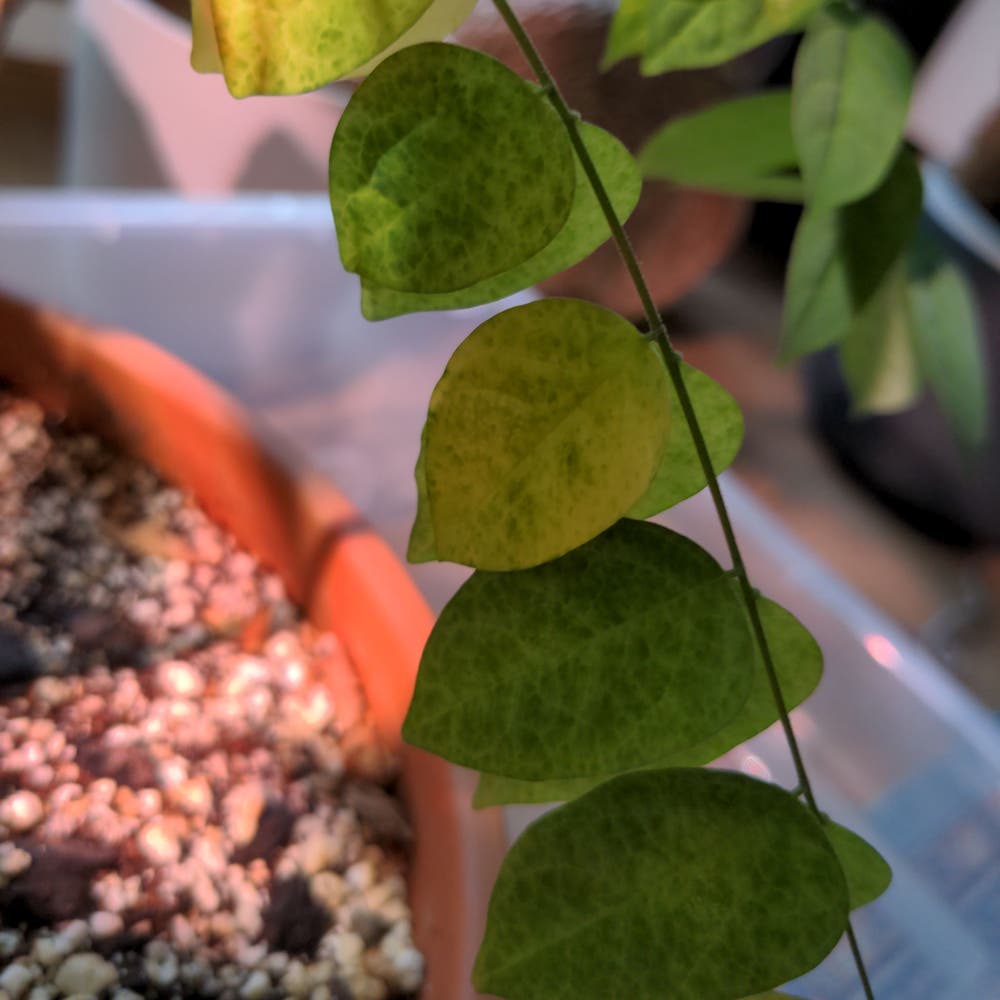
Transplant shock is a common hurdle when moving bilimbi plants. Symptoms include wilting, yellowing leaves, and stunted growth, often caused by root disturbance or sudden environmental changes.
⚠️ Addressing Establishment Problems
If your bilimbi shows signs of poor establishment, such as slow growth or leaf drop, it’s crucial to act quickly. Ensure proper watering, avoid over-fertilization, and consider providing shade to help the plant recover.
🛠️ Solutions for Common Planting Issues
Poor soil drainage can be a significant barrier to healthy growth. Amend your soil with organic matter or sand to improve drainage and promote root health.
Pest issues can also arise, so regular inspection is key. Employ organic pest control methods to keep your plants safe without harsh chemicals.
Nutrient deficiencies can hinder growth as well. Conduct soil testing to identify any deficiencies and make appropriate fertilization adjustments to support your bilimbi's health.
By addressing these common issues proactively, you can foster a thriving bilimbi plant that produces delicious fruit for years to come. Next, let’s explore the key steps for planting new bilimbi to ensure a successful start.
⚠️ Safety First
This content is for general information and may contain errors, omissions, or outdated details. It is not medical, veterinary advice, or an endorsement of therapeutic claims.
Always consult a qualified healthcare professional before using any plant as food, medicine, or supplement.
Never eat any plant (or feed one to pets) without confirming its identity with at least two trusted sources.
If you suspect poisoning, call Poison Control (800) 222-1222, the Pet Poison Helpline (800) 213-6680, or your local emergency service immediately.
Spotted an error? Please report it here.
Grow thriving bilimbi plants 🍈 with Greg's tailored watering reminders and expert tips that will guide you from planting to fruit production!