3 Essential Steps to Grow Healthy Bilimbi 🍈
Averrhoa bilimbi
By the Greg Editorial Team
Nov 26, 2024•6 min read
This article was created with the help of AI so we can cover more plants for you. May contain errors. See one? Report it here.
- 🌡️ Bilimbi trees thrive in 20°C to 35°C with high humidity for optimal growth.
- ☀️ Full sun for 6-8 hours daily is crucial for bilimbi fruit production.
- 🌱 Use well-draining soil and space trees 3-5 meters apart for healthy growth.
Choosing the Right Location
🌤️ Ideal Climate Conditions
To grow healthy bilimbi, start by selecting the right climate. The ideal temperature range is between 20°C to 35°C (68°F to 95°F), which promotes vigorous growth.
Humidity is another crucial factor; bilimbi trees thrive in high humidity levels. Additionally, these trees are sensitive to frost, so it's essential to plant them in frost-free areas to avoid damage.
☀️ Sunlight Requirements
Sunlight plays a vital role in fruit production. Bilimbi trees require full sun exposure, ideally 6-8 hours daily, to produce their tangy fruits.
While young trees need ample sunlight, they may benefit from partial shade until they become established. This gradual exposure helps them adapt without stress.
📏 Space Considerations
Proper spacing is key for healthy growth. Ensure you allow at least 3-5 meters between each tree to promote adequate air circulation and prevent overcrowding.
If you're considering container growing, choose containers that are at least 20 gallons in size. This ensures enough room for root growth, which is essential for a thriving bilimbi tree.
With the right location secured, you’re well on your way to cultivating a fruitful bilimbi garden. Next, let’s dive into the essential soil preparation techniques that will set the foundation for your trees.
Soil Preparation
Soil Type and Composition 🌱
To grow healthy Bilimbi, start with the right soil. You need well-draining, fertile loam or sandy soil that allows roots to breathe and nutrients to flow.
The ideal pH range for Bilimbi is between 5.5 and 7.0. This balance ensures optimal nutrient uptake, setting your plants up for success.
Soil Amendments 🧑🌾
Improving soil fertility is crucial. Incorporate organic matter like compost or well-rotted manure to enrich the soil and boost its nutrient content.
If your soil is heavy and retains too much water, enhance drainage by adding perlite or sand. This adjustment helps prevent root rot and promotes healthy growth.
Testing Soil Quality 🔬
Before planting, conduct a soil test to assess pH and nutrient levels. This step is vital for understanding what your soil needs to support Bilimbi's growth.
Based on the test results, make necessary adjustments to meet Bilimbi's requirements. Tailoring your soil will give your plants the best chance to thrive.
With your soil prepared, you're ready to move on to planting techniques that will help your Bilimbi flourish.
Planting Techniques
Planting Bilimbi can be a rewarding experience, and understanding the right techniques is essential for success. Here’s how to get started with both seeds and seedlings.
🌱 Planting from Seeds
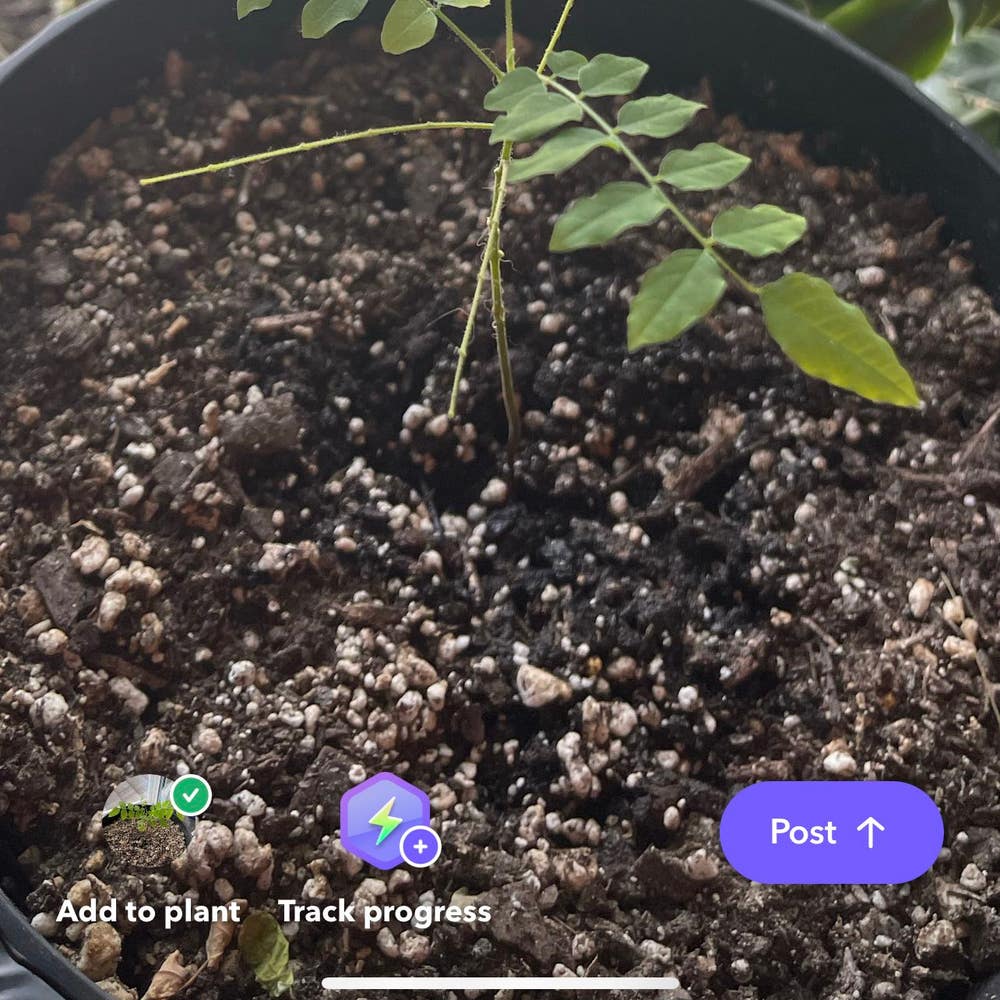
Seed preparation: Begin by soaking your seeds in water for 24 hours. This helps to soften the seed coat and promotes quicker germination.
Sowing depth: Once prepared, plant the seeds about 1 inch deep in well-prepared soil. This depth ensures they have enough coverage while still being close to the surface for optimal growth.
Germination time: Under ideal conditions, you can expect germination within 2-4 weeks. Keep the soil consistently moist to encourage healthy sprouting.
🌳 Transplanting Seedlings
Timing: Transplant your seedlings when they reach a height of 6-12 inches. This size indicates they are strong enough to handle the transition.
Spacing: Ensure you maintain a spacing of 3-5 meters between each tree. This distance allows for adequate air circulation and room for growth.
Hardening off: Before planting them outdoors, gradually acclimate your seedlings to the outdoor conditions over 1-2 weeks. This process helps them adjust to sunlight and wind, reducing transplant shock.
With these planting techniques, you’re well on your way to nurturing healthy Bilimbi trees. Next, let’s explore the essential aspects of watering and fertilizing to support their growth.
Watering and Fertilizing
Watering Needs 💧
Keeping your bilimbi tree hydrated is crucial for its growth. Aim to keep the soil consistently moist, especially during dry spells, to support healthy development.
Deep watering techniques are your best friend here. This method encourages the roots to grow deeper into the soil, making your tree more resilient to drought conditions.
Fertilization Schedule and Types 🌱
Fertilizing your bilimbi is essential for robust fruit production. Plan to fertilize every 6-8 weeks during the growing season to provide the nutrients your tree craves.
For the best results, use a balanced NPK fertilizer, like a 10-10-10 blend, or opt for organic options such as fish emulsion. When applying, spread the fertilizer evenly around the root zone, but be careful to avoid direct contact with the trunk to prevent damage.
With proper watering and fertilizing, your bilimbi tree will thrive, setting the stage for the next steps in its care. Let's dive into pruning and maintenance to keep your tree healthy and productive!
Pruning and Maintenance
Pruning Techniques 🌳
Pruning is essential for maintaining the health and productivity of your bilimbi trees. The best time to prune is during the dormant season, specifically late winter to early spring.
During this period, focus on removing dead or diseased branches. This not only improves the tree's appearance but also enhances air circulation, which is crucial for preventing fungal diseases.
Ongoing Care Practices 🌱
Mulching is another vital practice for bilimbi care. Applying a layer of organic mulch helps retain soil moisture and suppresses pesky weeds that compete for nutrients.
Additionally, regular pest monitoring is key to keeping your trees healthy. Inspect your plants frequently for any signs of pests or diseases, and be ready to implement control measures when necessary.
By staying proactive with pruning and maintenance, you’ll ensure your bilimbi trees thrive and produce abundant fruit.
As you continue caring for your trees, consider how watering and fertilizing will further support their growth.
Growing in Containers
Container Selection and Size 🌱
When growing Bilimbi in containers, size matters. Opt for a minimum of 20 gallons to ensure your plant has enough room to thrive.
Material choice is also crucial. Breathable options like terracotta or fabric pots promote healthy root development by allowing air circulation.
Soil Mix for Container-Grown Bilimbi 🪴
Creating the right soil mix is essential for container success. Combine equal parts potting soil, compost, and perlite to achieve optimal drainage and fertility.
Don’t forget about drainage holes! Ensure your containers have adequate holes to prevent root rot, keeping your Bilimbi healthy and happy.
With the right container and soil mix, your Bilimbi will flourish, setting the stage for a fruitful growing experience. Next, let’s explore the watering and fertilizing needs to keep your plant thriving.
⚠️ Safety First
This content is for general information and may contain errors, omissions, or outdated details. It is not medical, veterinary advice, or an endorsement of therapeutic claims.
Always consult a qualified healthcare professional before using any plant as food, medicine, or supplement.
Never eat any plant (or feed one to pets) without confirming its identity with at least two trusted sources.
If you suspect poisoning, call Poison Control (800) 222-1222, the Pet Poison Helpline (800) 213-6680, or your local emergency service immediately.
Spotted an error? Please report it here.
Nurture your bilimbi trees to bountiful growth 🌱 with Greg's tailored care reminders and expert tips that ensure your garden thrives!