When and How to Repot Bilimbi 🪴
Averrhoa bilimbi
By the Greg Editorial Team
Nov 26, 2024•6 min read
This article was created with the help of AI so we can cover more plants for you. May contain errors. See one? Report it here.
- 🌱 Signs your Bilimbi needs repotting: Look for visible roots and wilting leaves.
- 🌼 Best time to repot is spring, aligning with the plant's growth phase.
- 🏺 Choose the right pot: Ensure good drainage to prevent root rot.
Signs That Bilimbi Needs Repotting
📦 Indicators of Pot-Bound Conditions
If your Bilimbi is showing signs of being pot-bound, it’s time to consider repotting. Look for roots visible through the drainage holes; this is a clear indicator that the plant has outgrown its current home.
Another sign is roots circling the bottom of the pot. This can lead to stunted growth or reduced fruit production, as the plant struggles for space and nutrients.
🌍 Environmental Signs
Environmental cues can also signal that your Bilimbi needs a new pot. If the soil dries out too quickly after watering, it may indicate that the roots are taking up all the moisture, leaving little for the soil.
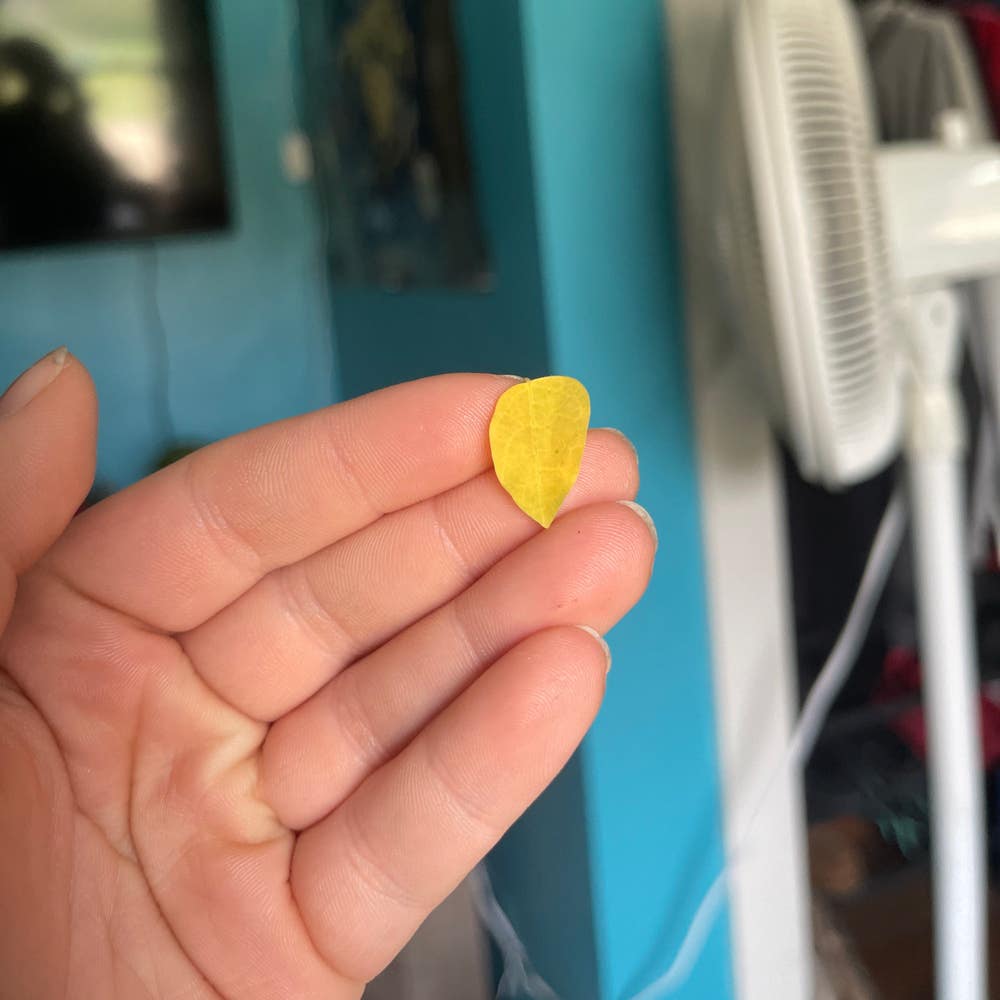
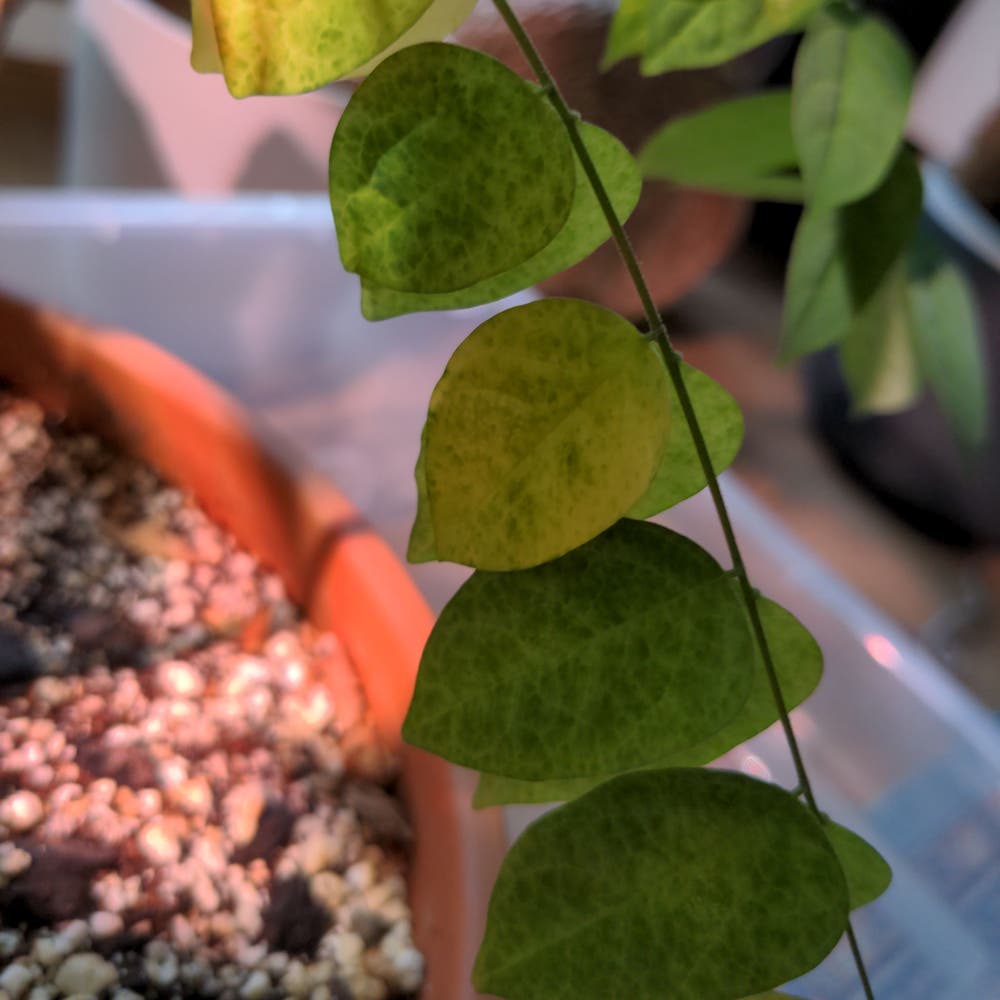
Wilting leaves, despite adequate watering, can be another red flag. Additionally, yellowing leaves often indicate nutrient deficiencies, suggesting that the plant is not thriving in its current environment.
Recognizing these signs early can help ensure your Bilimbi remains healthy and productive. If you notice any of these indicators, it’s time to prepare for repotting.
Best Time of Year to Repot Bilimbi
🌱 Optimal Seasons for Repotting
The best time to repot your Bilimbi is in spring. This season marks the start of its active growth phase, making it easier for the plant to adapt to its new environment.
If you live in a warmer climate, consider repotting in early summer. This timing allows the plant to recover before the heat peaks, ensuring it remains healthy and vibrant.
⏰ Timing Considerations
When planning to repot, avoid doing so during the flowering or fruiting periods. This helps minimize stress on the plant, allowing it to focus on producing fruit rather than recovering from a transplant.
Additionally, keep an eye on your local climate conditions. Ensuring optimal weather for repotting can significantly enhance your Bilimbi's chances of thriving in its new pot.
With the right timing, your Bilimbi will flourish, setting the stage for a successful repotting experience. Next, let’s explore how to assess root health before making the move.
How to Assess Root Health Before Repotting
🌱 Root Inspection Techniques
To ensure your Bilimbi is ready for repotting, start by gently removing the plant from its pot. This allows you to examine the root ball closely for any signs of distress.
Look for healthy, firm white roots that indicate vitality. If you spot brown, mushy roots, that’s a clear sign of rot and a red flag for your plant's health.
👀 Signs of Healthy Roots
Healthy roots should be firm and not overly crowded within the pot. They should also have a fresh, earthy smell; any foul odors can signal decay.
By assessing root health, you can make informed decisions about repotting, ensuring your Bilimbi thrives in its new environment. This careful evaluation sets the stage for a successful repotting process, leading to a flourishing plant.
Next, let’s explore the step-by-step guide to repotting your Bilimbi effectively.
Pot Material Options
Choosing the right pot material for your Bilimbi is crucial for its health and growth. Each option has its pros and cons, so let’s break them down.
🥤 Plastic Pots
Plastic pots are a popular choice among gardeners. They are lightweight, affordable, and retain moisture well.
However, they can pose a problem if they lack adequate drainage holes. Poor drainage can lead to waterlogged soil, which is detrimental to your plant's roots.
🍂 Terracotta Pots
Terracotta pots are another excellent option for Bilimbi. They offer superb drainage and breathability, which helps prevent root rot.
On the downside, terracotta can dry out quickly. This means you’ll need to keep a closer eye on your watering schedule to ensure your plant stays hydrated.
🎨 Ceramic Pots
Ceramic pots might look appealing, but they come with some drawbacks. They are heavier and can retain too much moisture, increasing the risk of root rot.
If you choose ceramic, ensure it has proper drainage to mitigate these risks. Otherwise, your Bilimbi may suffer from overwatering.
🌱 Biodegradable Pots
Biodegradable pots are an eco-friendly alternative that some gardeners prefer. They are made from natural materials and can break down over time, enriching the soil.
However, they may not provide adequate support for larger plants like Bilimbi. Consider their durability and how they fit into your overall gardening strategy.
In summary, selecting the right pot material is essential for your Bilimbi's health. Each option has its unique benefits and challenges, so weigh them carefully before making your choice. Next, let’s explore the ideal soil requirements for repotting your Bilimbi.
Soil Requirements for Repotting Bilimbi
🌱 Ideal Soil Mix
To ensure your Bilimbi thrives, start with a well-draining potting mix. Incorporate perlite or sand to enhance aeration, creating an environment that promotes healthy root growth.
The ideal pH level for Bilimbi soil is slightly acidic to neutral, ranging from 6.0 to 7.0. This balance helps the plant absorb nutrients effectively, supporting robust growth and fruit production.
🚰 Importance of Drainage in Soil Selection
Good drainage is crucial for preventing root rot, a common issue in potted plants. When water accumulates in the soil, it can suffocate roots, leading to decay and ultimately harming your Bilimbi.
To ensure proper drainage, choose a potting mix designed for container gardening. Look for blends that include materials like perlite or coarse sand, which help excess water escape while retaining enough moisture for the plant's needs.
🌿 How to Amend Soil for Optimal Growth
Enhancing your soil mix with organic matter, such as compost, can significantly boost nutrient content. This addition not only feeds your Bilimbi but also improves soil structure, promoting better water retention and drainage.
For improved aeration, consider adjusting the soil texture with perlite or vermiculite. These amendments create air pockets that allow roots to breathe, fostering a healthier growing environment.
With the right soil mix and amendments, your Bilimbi will be set for success. Next, let’s explore common mistakes to avoid when repotting this vibrant plant.
Common Mistakes in Repotting Bilimbi
🥴 Overpotting vs. Underpotting
Choosing the right pot size is crucial for your Bilimbi's health. A pot that's too large can trap excess moisture, leading to root rot, while a pot that's too small can stunt growth and cause root crowding.
🚫 Ignoring Root Health Signs
Before repotting, always assess the root health of your Bilimbi. Ignoring this step can result in transplant shock, which can hinder your plant's recovery and growth.
🪴 Using Inappropriate Pot Materials
The pot material you choose can significantly impact your Bilimbi's well-being. Using pots that don't provide adequate drainage can lead to waterlogged soil, while selecting the right material ensures your plant thrives in its new environment.
When selecting pots, consider materials like terracotta for their breathability or plastic for their lightweight nature. Each option has its pros and cons, so choose wisely based on your Bilimbi's needs.
By avoiding these common mistakes, you can ensure a smoother repotting process and a healthier plant. Next, let's explore the ideal soil requirements for repotting Bilimbi to further support its growth.
⚠️ Safety First
This content is for general information and may contain errors, omissions, or outdated details. It is not medical, veterinary advice, or an endorsement of therapeutic claims.
Always consult a qualified healthcare professional before using any plant as food, medicine, or supplement.
Never eat any plant (or feed one to pets) without confirming its identity with at least two trusted sources.
If you suspect poisoning, call Poison Control (800) 222-1222, the Pet Poison Helpline (800) 213-6680, or your local emergency service immediately.
Spotted an error? Please report it here.
Repot your Bilimbi like a pro 🌱 with Greg's tailored reminders and expert tips, ensuring your plant enjoys a thriving new home!