Ultimate Guide to Bilimbi Flowers 🌸
Averrhoa bilimbi
By the Greg Editorial Team
Nov 26, 2024•5 min read
This article was created with the help of AI so we can cover more plants for you. May contain errors. See one? Report it here.
- 🌼 Bilimbi flowers are vital for reproduction and indicate plant health.
- 🌞 Insufficient care or nutrients can cause non-flowering in Bilimbi plants.
- 🍽️ Bilimbi's tangy fruit is a culinary staple, especially in Southeast Asian dishes.
Flowering Status of Bilimbi
🌸 Does Bilimbi Produce Flowers?
Yes, Bilimbi produces flowers that are essential to its reproductive cycle. These delicate blooms not only signify the plant's health but also pave the way for fruit development.
❌ Reasons for Non-Flowering
If your Bilimbi isn't flowering, it could be due to several factors. Environmental stress, such as extreme temperatures or insufficient light, can hinder blooming, while improper care, like irregular watering or lack of nutrients, may also play a role.
Understanding these reasons can help you troubleshoot and encourage your plant to thrive. With the right conditions, your Bilimbi can flourish and reward you with its beautiful flowers.
As we delve deeper into the characteristics of Bilimbi flowers, you'll discover their unique traits and the blooming process that follows.
If Bilimbi Flowers
🌸 Flower Characteristics
Description of Colors and Structure
Bilimbi flowers are a delightful sight, showcasing colors that range from pale pink to white. These small, star-shaped blooms grow in clusters, creating a visually appealing display.
Self-Pollination vs. External Pollination
Primarily, Bilimbi flowers are self-pollinating, which means they can fertilize themselves. However, they also benefit from external pollinators like bees and butterflies, enhancing their reproductive success.
🌼 Blooming Process
Stages of Blooming and Typical Bloom Time
The blooming process of Bilimbi unfolds in three key stages: bud formation, flowering, and fruit development. Typically, blooming occurs during warm months, with peak periods often seen in late spring to early summer.
Duration from Bud Formation to Full Bloom
From the initial bud formation to full bloom, the process takes about 2-3 weeks. This relatively quick transition allows for a vibrant display of flowers in a short time.
Lifespan of the Flowers
Once bloomed, Bilimbi flowers have a lifespan of about 3-5 days before wilting. This brief period emphasizes the importance of timely pollination for fruit development.
🌱 Encouraging Blooms
Tips to Encourage Bilimbi to Bloom
To encourage your Bilimbi to bloom, follow these essential tips:
- Ensure it receives 6-8 hours of sunlight daily.
- Maintain consistent watering, avoiding waterlogging.
- Fertilize with a balanced fertilizer during the growing season.
- Prune the plant to promote air circulation and light penetration.
Factors Influencing Flowering
Several factors influence Bilimbi flowering, including temperature, humidity, and soil quality. Optimal conditions can significantly enhance blooming potential.
🍇 Post-Flowering
What Happens to the Plant After Flowering
After the flowering phase, the Bilimbi flowers develop into fruit, which is the primary purpose of blooming. This transition is crucial for the plant's reproductive cycle.
Discussion on Whether Bilimbi Dies After Flowering
It's a common misconception that Bilimbi dies after flowering. In reality, the plant continues to thrive and produce fruit, ensuring its longevity.
🐝 Pollination
Description of Pollination Methods for Bilimbi
Bilimbi employs a self-pollination process, but it also benefits from the assistance of wind and insects. This dual approach enhances the chances of successful fertilization, leading to fruitful outcomes.
With a solid understanding of Bilimbi's flowering process, you can appreciate the beauty and functionality of this unique plant. Next, let's explore what happens when Bilimbi doesn't flower and the fascinating aspects of its ornamental and functional features.
If Bilimbi Doesn't Flower
🌿 Primary Ornamental or Functional Features of Bilimbi
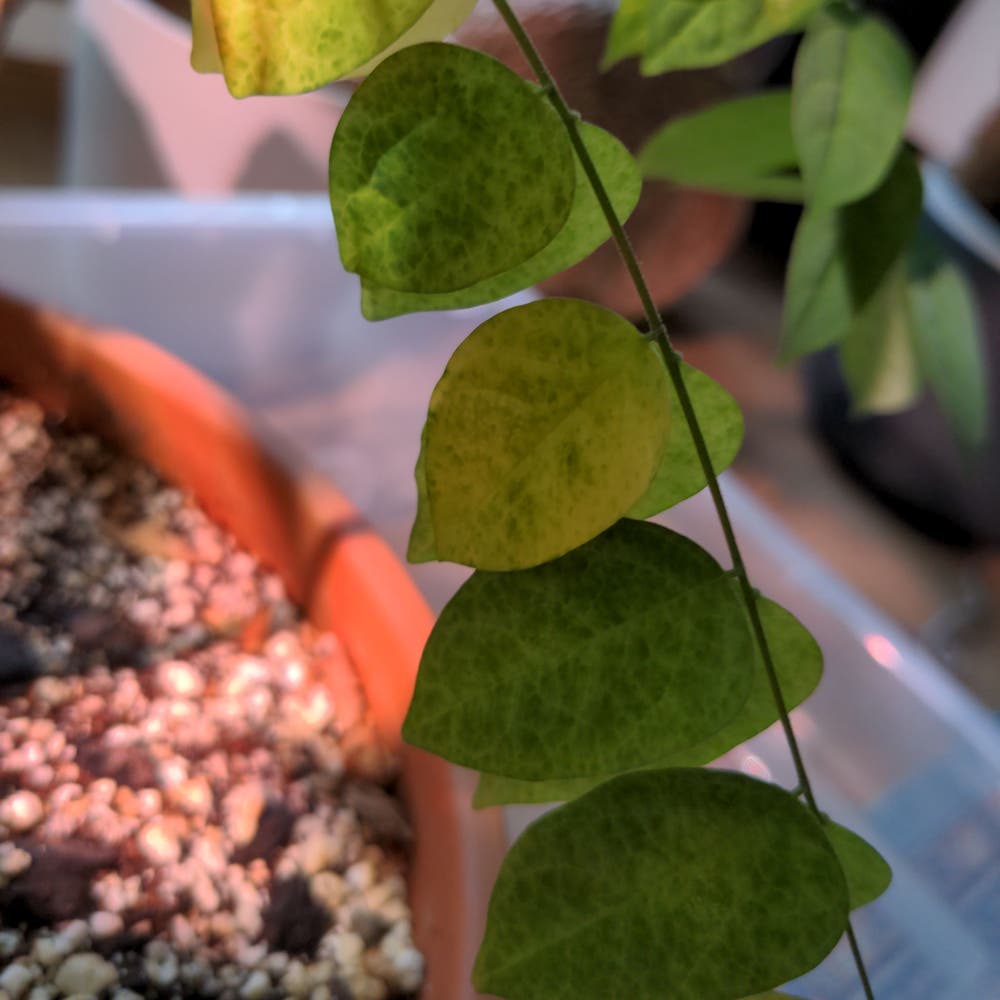
Even when Bilimbi doesn't produce flowers, it still holds significant ornamental value. The lush green foliage creates an appealing backdrop in gardens, adding texture and vibrancy.
Additionally, Bilimbi plants are functional beyond their blooms. They are known for their tangy fruit, which is a staple in various culinary dishes, especially in Southeast Asian cuisine. The fruit can be used in salads, pickles, and even beverages, making the plant valuable for both aesthetics and utility.
🔄 Explanation of How Bilimbi Reproduces Without Flowers
Interestingly, Bilimbi can reproduce without flowering through a process called vegetative propagation. This method involves taking cuttings from the plant, which can then root and grow into new plants.
This ability allows gardeners to expand their Bilimbi collection without relying on the flowering cycle. It's a practical solution for those eager to cultivate more of this unique plant, ensuring that even non-flowering specimens can contribute to the garden's diversity.
As we explore the unique aspects of Bilimbi, we'll uncover more about its fascinating reproductive strategies and characteristics.
Unique Aspects of Bilimbi
🌸 Unusual Characteristics Related to Bilimbi's Flowering or Non-Flowering Nature
Bilimbi trees exhibit fascinating adaptations that influence their flowering and fruiting. One notable characteristic is their ability to thrive in various soil types, which can affect flowering frequency and fruit yield.
Additionally, Bilimbi trees can produce flowers and fruits simultaneously, showcasing their resilience. This unique trait allows them to maximize reproductive success even under less-than-ideal conditions.
🎉 Interesting Facts or Trivia About Bilimbi's Reproductive Strategy
Bilimbi flowers and fruits hold cultural significance in many regions. In some cultures, the fruit is celebrated for its culinary uses, often featured in traditional dishes and remedies.
Moreover, the Bilimbi's ability to reproduce vegetatively through cuttings is a remarkable aspect of its reproductive strategy. This method allows gardeners to propagate new plants without relying solely on flowering, ensuring the continuation of this versatile species.
As you explore the unique aspects of Bilimbi, you'll find that its adaptability and cultural relevance make it a truly remarkable plant. Now, let’s delve into the primary ornamental or functional features of Bilimbi.
⚠️ Safety First
This content is for general information and may contain errors, omissions, or outdated details. It is not medical, veterinary advice, or an endorsement of therapeutic claims.
Always consult a qualified healthcare professional before using any plant as food, medicine, or supplement.
Never eat any plant (or feed one to pets) without confirming its identity with at least two trusted sources.
If you suspect poisoning, call Poison Control (800) 222-1222, the Pet Poison Helpline (800) 213-6680, or your local emergency service immediately.
Spotted an error? Please report it here.
Unlock the secret to a blooming Bilimbi 🌼 with Greg's tailored care reminders and tips, ensuring your plant thrives and produces delicious fruit all season long!