🐝 6 Easy Ways to Pollinate Bell Heather
Erica cinerea
By the Greg Editorial Team
Oct 04, 2024•6 min read
This article was created with the help of AI so we can cover more plants for you. May contain errors. See one? Report it here.
Unlock the secrets of Bell Heather's pollination magic 🌸 and learn how it nurtures vibrant ecosystems! 🌱
- 🌼 Bell Heather attracts bees, butterflies, and hummingbirds, enhancing garden beauty and biodiversity.
- 🌱 Self and cross-pollination boost genetic diversity, resilience, and reproduction in Bell Heather.
- 🐝 Creating a pollinator-friendly garden with diverse plants supports effective pollination and ecosystem health.
Flower Structure
Description of Flower Characteristics 🌸
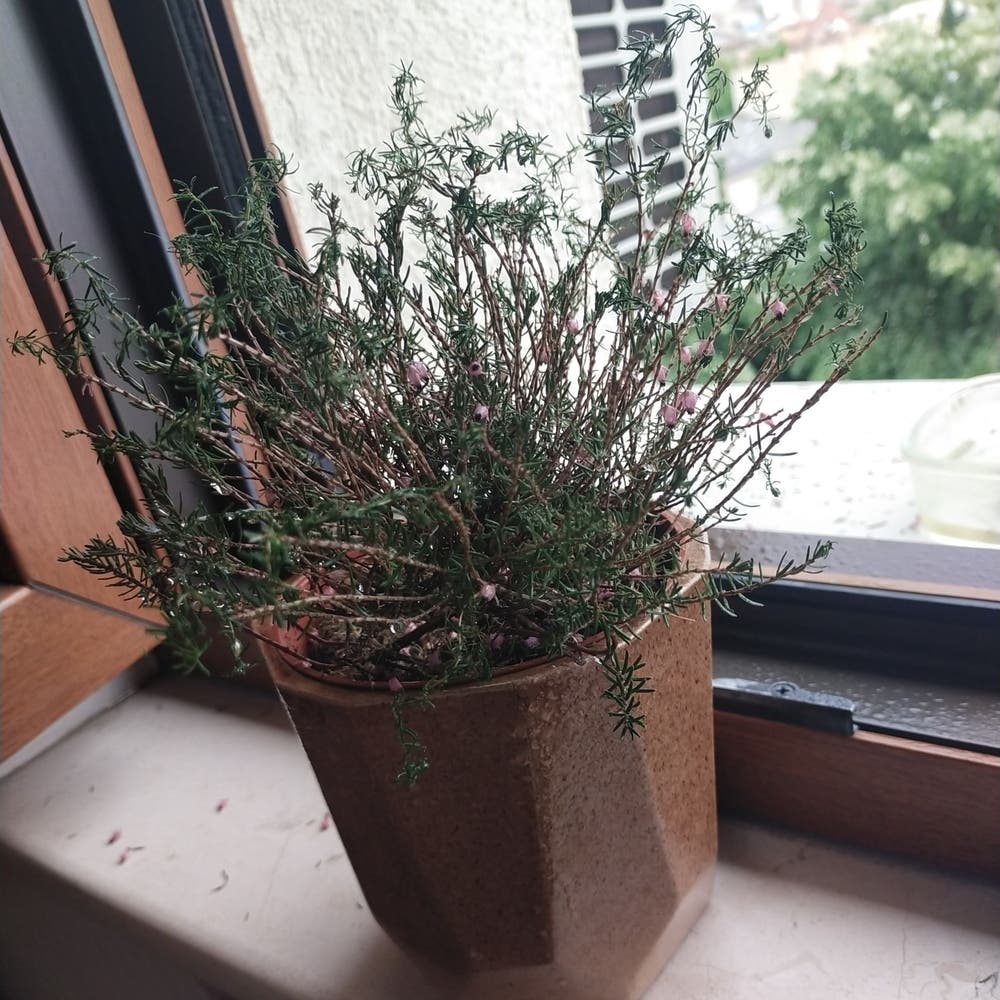
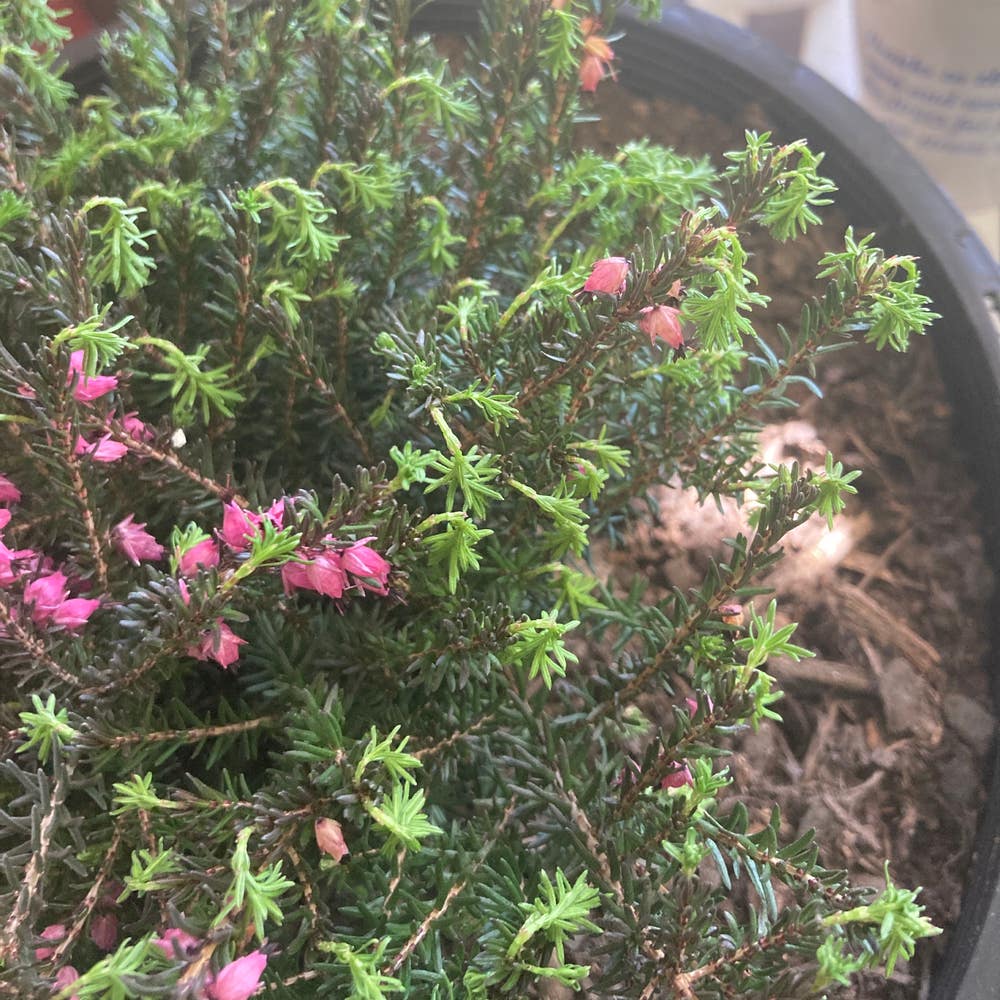
Bell Heather features small, bell-shaped flowers that gracefully hang downwards. Typically adorned in shades of purple or pink, these blooms attract a variety of pollinators, making them a vibrant addition to any garden.
The flowers grow in clusters along the stem, significantly enhancing their visibility to pollinators. This clustering not only makes them more appealing but also increases the chances of successful pollination.
Role in Pollination 🐝
The unique structure of Bell Heather allows for both self-pollination and cross-pollination, depending on environmental conditions. With anthers positioned close to the stigma, self-pollination is facilitated, ensuring reproduction even in less-than-ideal circumstances.
However, cross-pollination offers substantial benefits, including increased genetic diversity and resilience against diseases. This adaptability is crucial for the survival of the species, especially in changing environments.
Understanding these characteristics can help gardeners and nature enthusiasts appreciate the vital role Bell Heather plays in its ecosystem. As we explore further, we’ll delve into the pollination process and the various agents that contribute to this fascinating cycle.
Pollination Process
Self-Pollination and Cross-Pollination 🌼
Bell Heather has a fascinating ability to self-pollinate, thanks to its flower structure. However, cross-pollination is often more beneficial, promoting genetic diversity that strengthens the plant against diseases.
Primary Pollinators 🐝
Several key pollinators play a crucial role in the life cycle of Bell Heather:
Bees
Bees are the primary visitors, drawn by the flower's nectar and vibrant colors. As they feed, they collect pollen, facilitating both self and cross-pollination.
Butterflies
Butterflies are attracted to the unique shape and sweet nectar of Bell Heather. Their fluttering visits contribute significantly to cross-pollination.
Moths
Active during the night, moths help pollinate the flowers when other pollinators are absent. This nocturnal activity ensures that pollination occurs even in cooler hours.
Hummingbirds
In some regions, hummingbirds are occasional visitors. Their presence adds another layer of pollination, especially in areas where they thrive.
Attraction Mechanisms 🎯
Bell Heather employs various mechanisms to attract its pollinators.
Nectar Production
The production of nectar serves as a sweet reward for visiting pollinators, encouraging them to return.
Bright Colors and Floral Scents
The bright colors and delightful floral scents are irresistible, drawing in a variety of pollinator species. These features enhance the flower's visibility, making it easier for pollinators to find.
Understanding these processes not only highlights the beauty of Bell Heather but also emphasizes the importance of maintaining healthy ecosystems. Next, we'll explore how to support these vital pollinators in your garden.
Natural Pollination
🐝 Pollen Transfer Mechanisms
Natural pollination relies heavily on insects, which are the primary agents of pollen transfer. While wind can play a role, it's the buzzing bees, fluttering butterflies, and even nocturnal moths that truly make the magic happen.
🌱 Importance for Reproduction
Successful pollination is crucial for producing fruit and seeds, ensuring the survival of Bell Heather. This process not only secures the next generation but also promotes genetic diversity, which is vital for resilience against environmental changes and diseases.
In essence, fostering a thriving pollination environment is key to the health of Bell Heather and its ecosystem. By understanding these mechanisms, we can better appreciate the intricate relationships that sustain our natural world.
Hand Pollination Techniques
Hand pollination can be a rewarding way to ensure the success of your Bell Heather plants. Here’s a straightforward guide to help you through the process.
Step 1: Identify Male and Female Flower Parts 🌸
First, you need to know the flower anatomy. The male parts are the anthers, which contain the pollen. The female part is the stigma, where the pollen needs to land.
Step 2: Collecting Pollen 🧹
Next, gather the pollen. Use a small brush or a cotton swab to gently collect pollen from the anthers. This step is crucial for effective pollination.
Step 3: Transferring Pollen 🔄
Now, it’s time to transfer the pollen. Gently apply the collected pollen to the stigma of the same flower or another flower. This action promotes cross-pollination, enhancing genetic diversity.
Step 4: Timing ⏰
Timing is everything! Perform this process during peak flowering periods for maximum effectiveness. This ensures that the flowers are most receptive to pollination.
Hand pollination not only boosts your plants' chances of producing seeds but also deepens your connection to nature. With these techniques, you can actively contribute to the health and diversity of your Bell Heather plants.
Next, let’s explore how to support pollinators in your garden!
Supporting Pollinators
🌼 Creating a Pollinator-Friendly Environment
To support pollinators, start by planting a variety of flowering species. This diversity attracts a range of pollinators, ensuring that your garden buzzes with life.
Avoid using pesticides that can harm beneficial insects. Instead, opt for natural pest control methods to keep your garden thriving and safe for pollinators.
🌱 Suggested Companion Plants
Consider adding lavender to your garden. Its fragrant blooms attract both bees and butterflies, making it a favorite among pollinators.
Yarrow is another excellent choice. It provides nectar and pollen, supporting various pollinator species throughout the growing season.
Lastly, coneflower is well-known for drawing in butterflies and bees. Its vibrant blooms not only enhance your garden's beauty but also create a welcoming habitat for these essential creatures.
By cultivating a pollinator-friendly environment, you contribute to the health of local ecosystems. This effort not only benefits your garden but also supports the broader environment, ensuring that pollinators thrive.
As you create this haven for pollinators, consider the challenges they face. Understanding these obstacles will help you further enhance your garden's role in supporting these vital species.
Pollination Challenges
Common Obstacles 🌪️
Pollination faces several challenges that can hinder the process. Environmental factors like temperature fluctuations, humidity levels, and drought significantly impact pollinator activity.
Urbanization and habitat loss also contribute to a decline in pollinator populations. This lack of pollinators can severely affect the reproductive success of plants like Bell Heather.
Solutions 🌼
Fortunately, there are effective strategies to support pollination. Planting flowers in clusters enhances visibility and accessibility for pollinators, making it easier for them to find food sources.
Providing water sources and shelter is crucial for attracting and supporting various pollinator species. Additionally, timing your planting and care to coincide with peak pollinator activity seasons can maximize your garden's pollination potential.
By addressing these challenges, you can create a thriving environment for Bell Heather and its pollinators. This not only benefits your garden but also contributes to the broader ecosystem.
⚠️ Safety First
This content is for general information and may contain errors, omissions, or outdated details. It is not medical, veterinary advice, or an endorsement of therapeutic claims.
Always consult a qualified healthcare professional before using any plant as food, medicine, or supplement.
Never eat any plant (or feed one to pets) without confirming its identity with at least two trusted sources.
If you suspect poisoning, call Poison Control (800) 222-1222, the Pet Poison Helpline (800) 213-6680, or your local emergency service immediately.
Spotted an error? Please report it here.
Boost your Bell Heather's pollination success 🌸 by using Greg's tailored reminders for optimal planting times and creating a pollinator-friendly garden!