How and When Should I Cut Back My Bell Heather?
Erica cinerea
By the Greg Editorial Team
Apr 14, 2024•4 min read
This article was created with the help of AI so we can cover more plants for you. May contain errors. See one? Report it here.
Prune Bell Heather right for lush blooms and plant health—learn the best times and techniques! 🌿✂️
- Prune by species and season to enhance Bell Heather's blooming and health.
- Use sharp tools for clean cuts and to prevent plant disease.
- Post-prune care is key; water, mulch, and monitor for robust regrowth.
Best Times to Give Bell Heather a Trim
🌸 Seasonal Pruning Calendar
Pruning isn't a slapdash affair; timing is crucial. For the winter-blooming Calluna vulgaris, spring is your signal to get snipping. If you're tending to summer bloomers like Erica spp., late winter or early spring is prime time, just before the growth spurt. And for those with Daboecia cantabrica or Erica cinerea, a post-flowering trim keeps them looking sharp.
🌼 Flowering Cycle Considerations
Align pruning with the Bell Heather's blooming to maximize the floral show. Erica spp. flourish with a post-bloom haircut, preventing legginess and promoting lush growth. For Daboecia cantabrica, selective pruning maintains its tree-like elegance. Remember, a well-timed snip can be the secret to a summer spectacle.
Pruning Techniques for Bell Heather Bliss
🌱 Basic Pruning Steps
Snip with confidence; pruning Bell Heather isn't rocket science. First, assess your plant for dead, diseased, or overgrown stems. Next, using sharp shears, cut these back to the base. Remember, always prune just above a leaf node or bud to encourage new growth. Finally, shape the plant to your liking, keeping its natural form in mind.
🔄 Rejuvenation vs. Maintenance
Rejuvenation pruning is the garden's version of a hard reset. It's about cutting the plant back significantly to renew its vigor. Do this every few years if your Bell Heather looks woeful. Maintenance pruning, on the other hand, is like a regular haircut, keeping things tidy. This is your yearly snip to remove spent flowers and shape the plant.
🛠 Tools of the Trade
Sharpness is non-negotiable. Dull tools can damage your plant and invite disease. Opt for pruning shears for smaller stems and loppers for the thick ones. After each use, clean your tools with alcohol or a bleach solution to prevent the spread of pathogens. It's like hygiene for plants; keep it clean, keep it green.
Tackling Overgrown Bell Heather
Assessing Your Plant's Needs
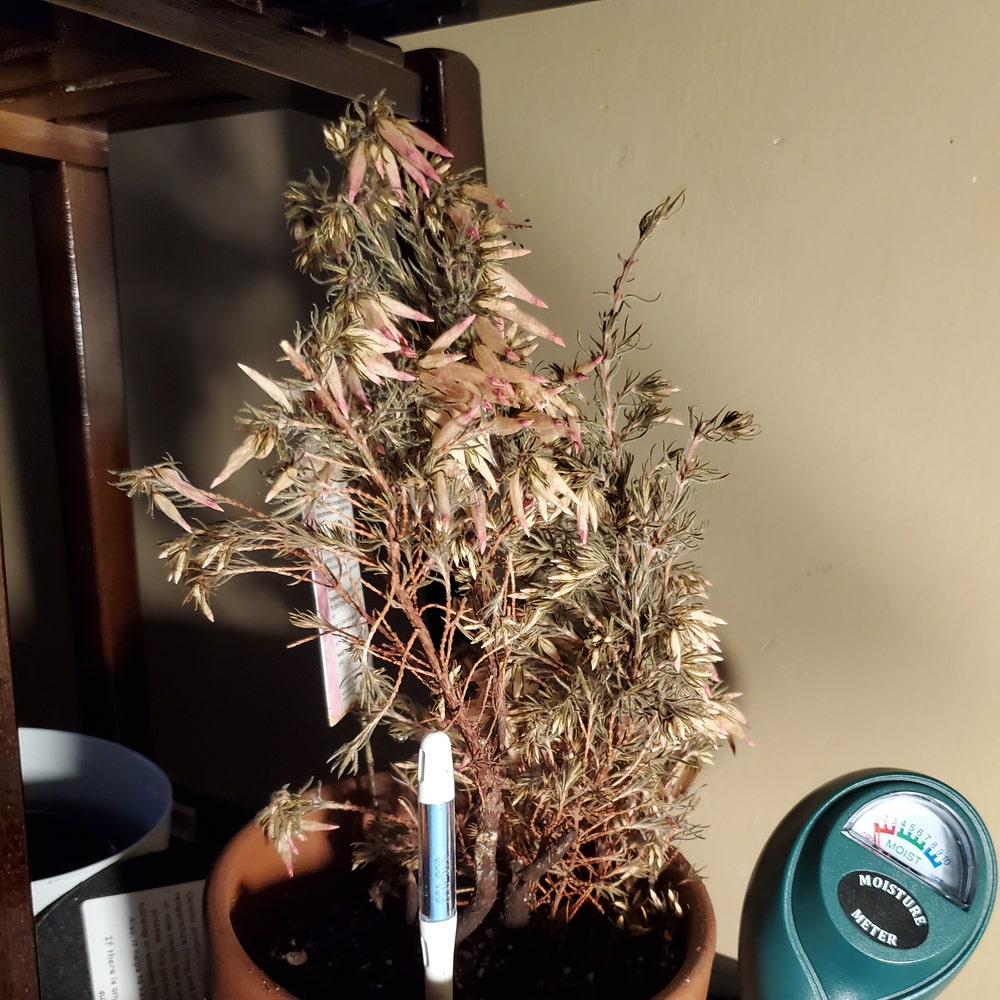
If your Bell Heather has morphed into an untamed beast, it's time for a bold intervention. Look for signs like a scarcity of flowers, a tangle of dead branches, or a silhouette that's lost its charm. These are clear indicators that your plant is crying out for a serious prune.
Step-by-Step Rejuvenation
First, arm yourself with sharp tools; blunt ones will do more harm than good. Begin by removing any dead or diseased wood—this is non-negotiable. Next, cut back the overgrown branches, but never more than one-third of the plant to avoid shock. Aim to create an open structure that allows light and air to penetrate the center. This will encourage new growth from the base, leading to a lush rebirth. Remember, Bell Heather is a fighter, and with the right care, it can bounce back even from the brink of botanical oblivion.
After the Snip: Ensuring Recovery and Regrowth
🌱 Immediate Aftercare
After pruning your Bell Heather, immediate care is non-negotiable. Water generously to help the plant recover from the stress of pruning. Think of it as a soothing balm for the fresh cuts. Avoid direct sunlight; instead, opt for bright, indirect light to prevent overwhelming the plant. Keep the environment consistent and warm, steering clear of drafts and sudden temperature changes.
🌿 Long-Term Health Monitoring
Monitor closely for signs of new growth, which is your Bell Heather's way of giving you a green thumbs up. Keep an eye out for any stress or disease—discoloration or wilting are red flags. If you spot trouble, don't panic. Adjust your care routine, tweaking light or watering as needed, but keep changes gradual. Post-pruning, mulch around the base to conserve moisture and protect roots. It's not just about aesthetics; it's about creating a conducive environment for recovery and growth. Regular check-ups are crucial, so act like a plant detective and keep a vigilant eye on your green buddy's progress.
⚠️ Safety First
This content is for general information and may contain errors, omissions, or outdated details. It is not medical, veterinary advice, or an endorsement of therapeutic claims.
Always consult a qualified healthcare professional before using any plant as food, medicine, or supplement.
Never eat any plant (or feed one to pets) without confirming its identity with at least two trusted sources.
If you suspect poisoning, call Poison Control (800) 222-1222, the Pet Poison Helpline (800) 213-6680, or your local emergency service immediately.
Spotted an error? Please report it here.
Season-specific pruning 🌸 becomes a breeze with Greg, guiding you on when to cut back your Bell Heather for a vibrant and healthy floral display.