🔔 4 Plants That Thrive Alongside Bell Heather
Erica cinerea
By the Greg Editorial Team
Oct 04, 2024•5 min read
This article was created with the help of AI so we can cover more plants for you. May contain errors. See one? Report it here.
Elevate your garden's beauty 🌸 and health by pairing Bell Heather with these ideal companion plants! 🌱
- 🌸 Blueberries and Bell Heather thrive together, attracting pollinators in acidic soils.
- 🌿 Wintergreen repels pests and requires minimal watering, enhancing garden health.
- 🌼 Heath adds color and attracts beneficial insects, complementing Bell Heather's blooms.
Best Companion Plants for Bell Heather
Plant 1: Blueberry 🍇
Blueberries are a fantastic companion for Bell Heather. As an ericaceous plant, they thrive in acidic soils, producing sweet, edible berries alongside attractive foliage.
For optimal growth, blueberries prefer well-drained, acidic soil, similar to Bell Heather's needs. They require full sun to maximize fruit production.
The benefits of planting blueberries are twofold. They attract pollinators, enhancing biodiversity in your garden, and share similar drought tolerance and water needs with Bell Heather.
Plant 2: Wintergreen 🍃
Wintergreen is a low-growing evergreen ground cover that adds charm to any garden. Its aromatic leaves not only smell delightful but also produce small, red berries in the fall.
This plant thrives in acidic, well-drained soils and partial shade, requiring minimal watering once established.
One of wintergreen's standout features is its natural pest-repelling properties. Additionally, it provides excellent ground cover, reducing weed competition effectively.
Plant 3: Heath 🌼
Heath is another excellent companion, belonging to the same Ericaceae family as Bell Heather. It features vibrant flowers that bloom in various colors, adding visual interest to your garden.
Heath prefers acidic, well-drained soil and full sun, making it a perfect match for Bell Heather. Once established, it is drought-tolerant.
The benefits of planting heath are significant. It enhances visual appeal with its complementary blooms and attracts similar pollinators, supporting garden diversity.
Plant 4: Creeping Thyme 🌱
Creeping thyme is a low-growing perennial herb known for its fragrant foliage. It produces small purple flowers that attract pollinators, making it a lovely addition to your garden.
This hardy plant thrives in well-drained, sandy soils and full sun, requiring minimal maintenance.
Creeping thyme acts as a ground cover, effectively suppressing weeds. It also attracts beneficial insects while repelling some pests, making it a practical choice for companion planting.
These companion plants not only thrive alongside Bell Heather but also contribute to a vibrant and diverse garden ecosystem. Next, let’s explore how these companions can help with pest management.
Pest Management with Companion Plants
🌱 How Companion Plants Can Deter Pests
Companion planting is a powerful strategy for managing pests naturally. By utilizing the pest-repelling properties of certain plants, you can create a balanced ecosystem that attracts beneficial insects.
🐞 Specific Pest-Repelling Properties of Chosen Companions
Blueberry
Blueberries not only produce delicious fruit but also attract pollinators. Their presence can help deter harmful pests, making them an excellent companion for Bell Heather.
Wintergreen
This aromatic ground cover has leaves that repel certain insects. Its pleasant scent is a natural deterrent, keeping unwanted pests at bay.
Heath
Heath flowers are not just beautiful; they also attract beneficial pollinators that prey on pests. This symbiotic relationship enhances the health of your garden.
Creeping Thyme
Creeping thyme offers fragrant foliage that deters pests while attracting pollinators. Its low-growing nature also helps suppress weeds, making it a dual-purpose companion.
By incorporating these companion plants, you can foster a thriving garden environment. This not only enhances pest management but also promotes biodiversity, creating a more vibrant ecosystem.
Visual Appeal and Aesthetic Benefits
🌸 Color and Texture Combinations with Bell Heather
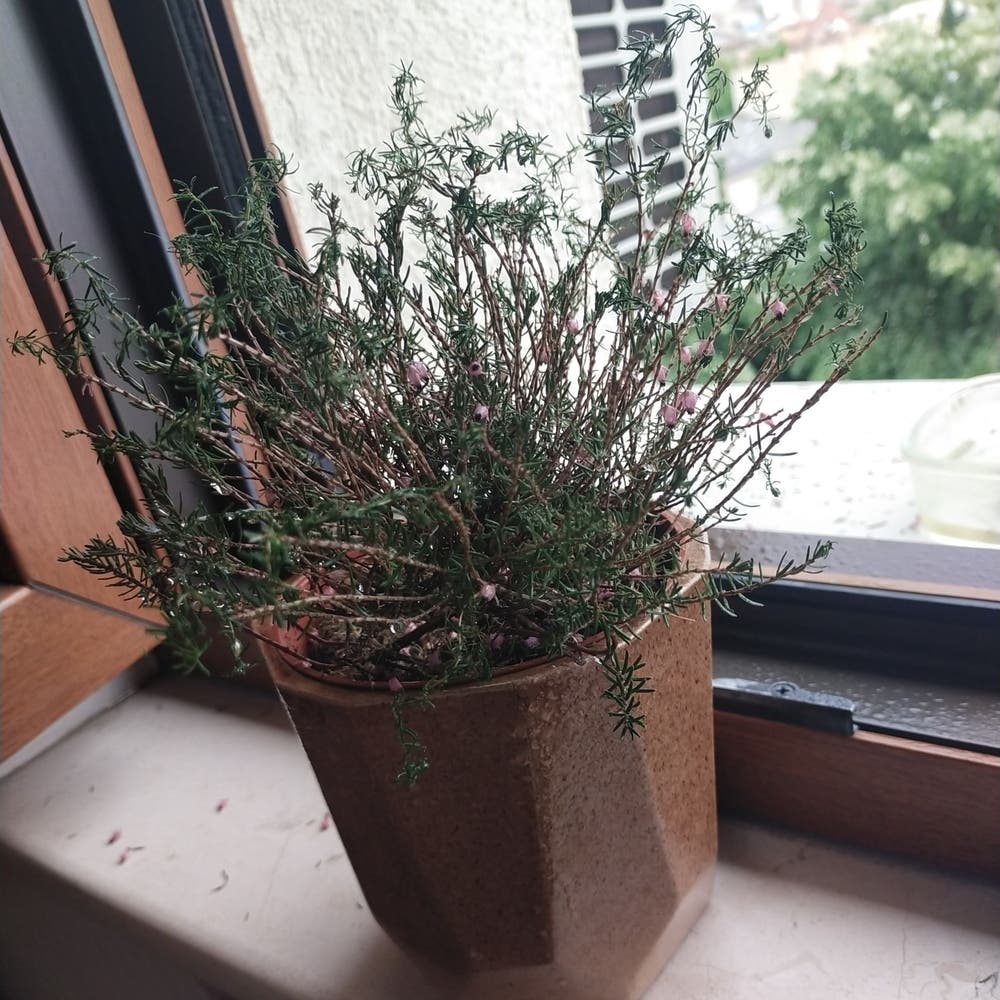
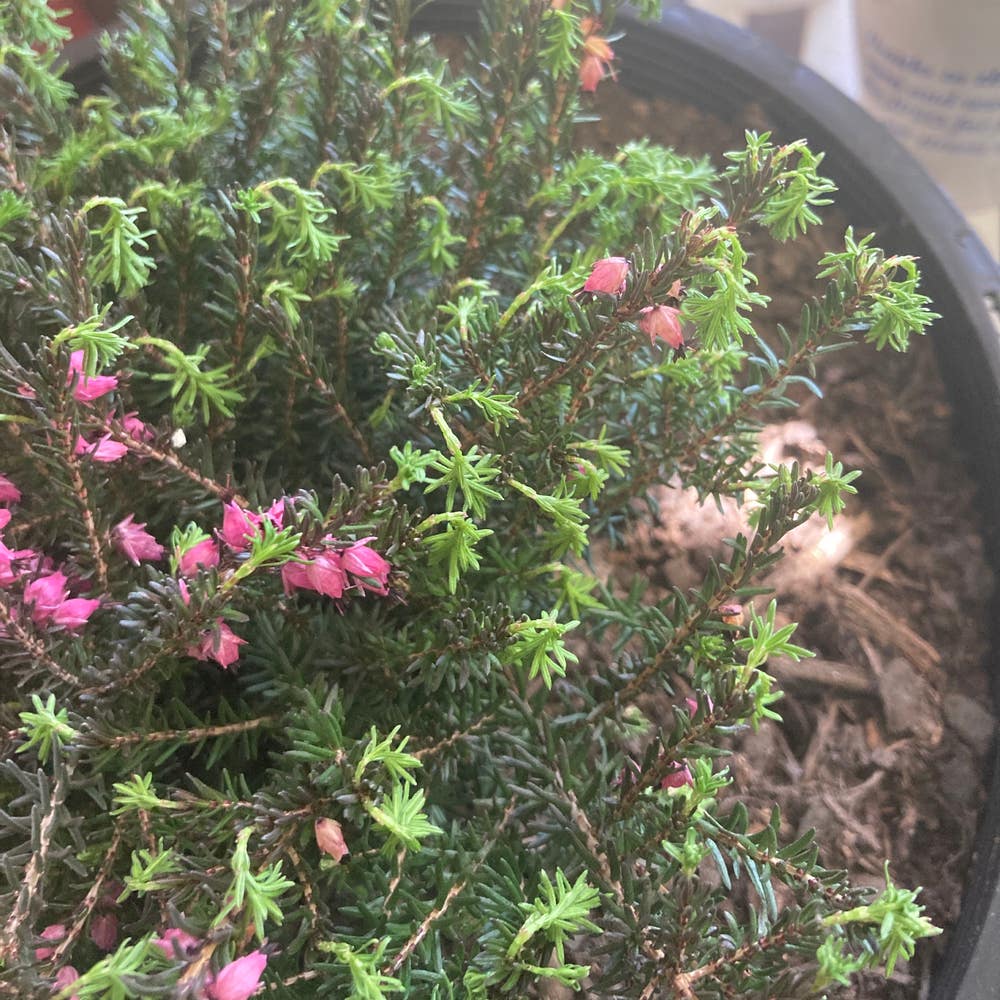
The vibrant purple-pink flowers of Bell Heather create a stunning visual display, especially when paired with the rich blue hues of blueberries. This combination not only pleases the eye but also enhances the overall garden aesthetic.
Contrasting textures add depth to your landscape. The fine, delicate foliage of creeping thyme beautifully contrasts with the broader leaves of wintergreen, creating a dynamic visual interplay that draws the eye.
🍂 Seasonal Interest and Bloom Times
Bell Heather blooms from late summer to early fall, providing a burst of color when many other plants are winding down. This timing complements the earlier spring blooms of heath, ensuring your garden remains lively throughout the seasons.
Evergreen companions like wintergreen offer year-round visual interest. Their lush foliage provides a backdrop that keeps your garden vibrant, even in the colder months, making it a feast for the eyes all year long.
With these thoughtful combinations, you can create a garden that not only thrives but also captivates. Next, let’s explore how companion plants can help manage pests effectively.
Plants to Avoid Near Bell Heather
🚫 Incompatible Plant Types
Certain plants simply don’t get along with Bell Heather. Specifically, those requiring alkaline or neutral soil can create a challenging environment.
Additionally, species that thrive in high moisture levels can be detrimental. Bell Heather prefers well-drained, acidic conditions, making moisture-loving plants unsuitable companions.
❌ Reasons for Incompatibility
Soil pH plays a crucial role in plant health. Bell Heather flourishes in acidic soils, while incompatible plants often demand alkaline conditions, leading to poor growth.
Water needs also matter significantly. Overwatering can harm Bell Heather, so pairing it with moisture-loving plants can lead to root rot and other issues.
By avoiding these incompatible plants, you can ensure a thriving garden that supports the unique needs of Bell Heather. This thoughtful selection will help maintain a healthy ecosystem in your garden.
⚠️ Safety First
This content is for general information and may contain errors, omissions, or outdated details. It is not medical, veterinary advice, or an endorsement of therapeutic claims.
Always consult a qualified healthcare professional before using any plant as food, medicine, or supplement.
Never eat any plant (or feed one to pets) without confirming its identity with at least two trusted sources.
If you suspect poisoning, call Poison Control (800) 222-1222, the Pet Poison Helpline (800) 213-6680, or your local emergency service immediately.
Spotted an error? Please report it here.
Create a vibrant garden ecosystem 🌿 by pairing Bell Heather with companions like blueberries and wintergreen, and let Greg guide you with tailored care tips to ensure they thrive together!