🌸 Ultimate Guide to Growing Bell Heather
Erica cinerea
By the Greg Editorial Team
Oct 04, 2024•6 min read
This article was created with the help of AI so we can cover more plants for you. May contain errors. See one? Report it here.
Cultivate a stunning garden with thriving Bell Heather using these essential tips for success! 🌿✨
- ☀️ Bell Heather needs 6+ hours of sunlight for optimal growth and flowering.
- 🌱 Acidic, well-drained soil with pH 4.5-6.0 is essential for success.
- 🌿 Regular watering and pruning promote healthy growth and maintain shape.
Choosing the Right Location
Sunlight Requirements ☀️
Bell Heather thrives in full sun to partial shade. This optimal exposure not only promotes healthy growth but also enhances flowering, making your garden vibrant and lively.
Sunlight plays a crucial role in the plant's overall health. Insufficient light can lead to weak growth and fewer blooms, so aim for at least six hours of direct sunlight daily.
Microclimate Considerations 🌬️
Creating a suitable microclimate is essential for Bell Heather's success. Wind protection and good drainage are vital to prevent damage and root rot.
Ideal locations include rocky gardens, slopes, or raised beds. These settings not only provide excellent drainage but also create a natural barrier against harsh winds, ensuring your plants flourish.
Soil Preparation
Ideal Soil Type and pH 🌱
For growing bell heather, the soil needs to be acidic and well-drained, ideally with a pH between 4.5 and 6.0. Sandy or loamy textures are best, as they promote optimal drainage and prevent waterlogging.
Amending Soil for Optimal Growth 🌿
To enhance soil quality, incorporate organic matter like peat moss or compost. This not only enriches the soil but also improves its structure, making it more conducive to healthy root development.
For better drainage, consider adding perlite or coarse sand. These amendments help create a loose soil environment, ensuring that your bell heather thrives without the risk of root rot.
With the right soil preparation, your bell heather will be set for success. Next, let’s explore the best planting techniques to ensure a vibrant display in your garden.
Planting Techniques
Best Planting Techniques 🌱
Timing is everything when it comes to planting bell heather. Aim for early spring or fall; these seasons provide the ideal conditions for your plants to establish themselves.
For a stunning visual impact, consider planting in clusters. This technique not only enhances the aesthetic appeal but also mimics the plant's natural growth patterns, creating a more vibrant display.
Spacing and Depth Considerations 📏
When planting, maintain a spacing of 12-18 inches between each plant. This distance allows for adequate airflow and growth, preventing overcrowding.
Ensure that you plant bell heather level with the soil surface. This prevents rot and encourages healthy root development, setting your plants up for success.
With these planting techniques in mind, you're well on your way to cultivating a thriving bell heather garden. Next, let’s explore how to properly care for your plants through watering and fertilizing.
Watering and Fertilizing
Watering Requirements 🌊
Regular watering is essential for Bell Heather, especially during dry spells. Aim to keep the soil consistently moist but not soggy.
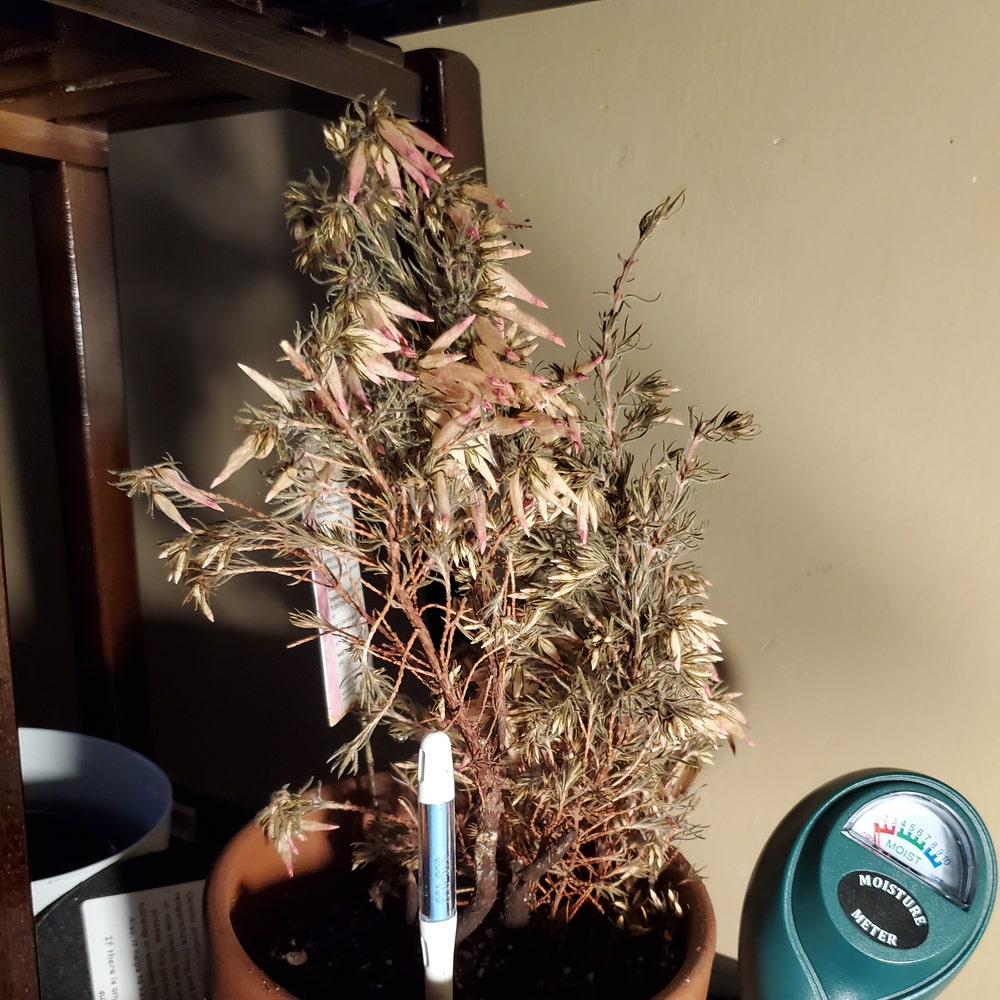
Watch for signs of overwatering, such as yellowing leaves and root rot. Conversely, if you notice wilting or dry foliage, it may be a sign of underwatering.
Fertilizing 🌱
When it comes to fertilizing, opt for low-nitrogen, slow-release options. These fertilizers promote healthy growth without overwhelming the plant.
Timing is key; apply fertilizer in early spring. Be cautious to avoid over-fertilization, as this can harm your Bell Heather's delicate balance.
With proper watering and fertilizing, your Bell Heather will thrive, setting the stage for vibrant blooms. Next, let’s explore effective pruning and maintenance techniques to keep your plants in top shape.
Pruning and Maintenance
Pruning Techniques 🌿
Pruning your bell heather is essential for encouraging new growth. The best time to prune is right after flowering; this helps the plant focus its energy on fresh blooms.
Light trimming is key. Aim to maintain the plant's shape while removing any dead wood to promote healthy growth.
Ongoing Care Routine 🕒
Seasonal care is crucial for the longevity of your bell heather. In winter, consider mulching to protect the roots from harsh conditions and help retain moisture.
Regularly monitor moisture levels in the soil. Keeping an eye out for pests and diseases through routine inspections will allow for early detection and intervention, ensuring your plants stay healthy and vibrant.
With proper pruning and maintenance, your bell heather will thrive beautifully, setting the stage for the next section on challenges and solutions.
Challenges and Solutions
Common Challenges 🌱
Growing Bell Heather can come with its fair share of challenges. Pests like aphids and issues such as root rot can threaten your plants, making vigilance essential.
Environmental stress factors, including drought and poor soil conditions, can also hinder growth. Understanding these challenges is the first step toward effective management.
Solutions and Preventive Measures 🛠️
Integrated pest management is key to keeping your Bell Heather healthy. Utilizing natural predators and insecticidal soap can help control pest populations without harming the environment.
Adjusting your care routines based on observed challenges is equally important. Modifying your watering and fertilizing schedules can make a significant difference in plant health, ensuring your Bell Heather thrives despite obstacles.
With these strategies in place, you can cultivate a resilient garden. Next, let’s explore how to successfully grow Bell Heather in containers, offering flexibility and convenience for your gardening endeavors.
Container Growing
🌱 Growing in Containers
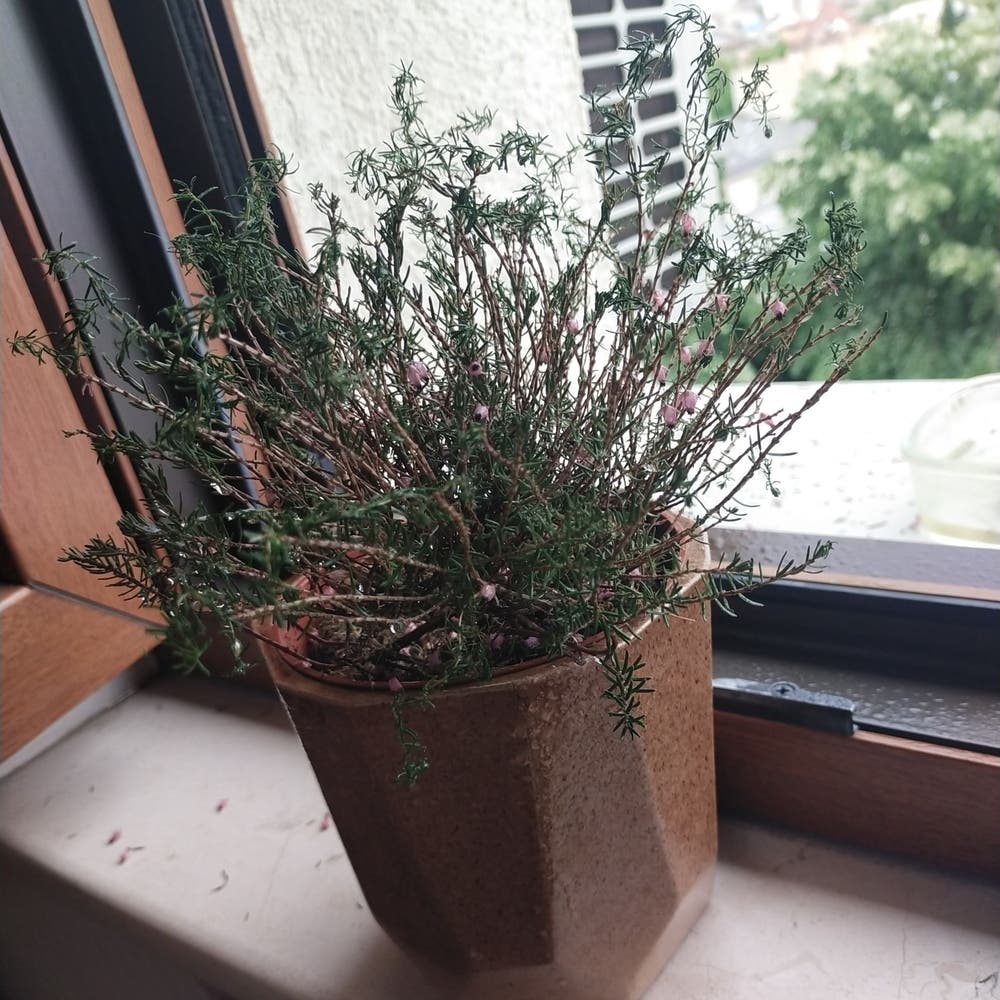
Choosing the right pot is crucial for growing bell heather successfully. Opt for a container that is at least 12 inches deep with adequate drainage holes to prevent waterlogging.
For soil, select an acidic potting mix to create the ideal environment for growth. This type of soil will help maintain the necessary pH levels, ensuring your plants thrive.
💧 Container Care Tips
Watering is key when growing bell heather in containers. Expect to water more frequently, especially during dry spells, as containers tend to dry out faster than garden beds.
When it comes to fertilizing, use regular, diluted applications of low-nitrogen fertilizer. This will support healthy growth without overwhelming your plants.
🏆 Benefits and Challenges
One of the biggest advantages of container growing is mobility. You can easily relocate your pots to capture optimal sunlight or protect them from harsh weather.
Containers are also perfect for small gardens or patios, maximizing your growing space. However, be aware of the challenges, such as the potential for rapid drying out, which requires consistent care.
In summary, container growing offers flexibility and convenience, but it demands attention to watering and care. With the right approach, you can enjoy the beauty of bell heather in any space.
Next, let’s explore the ongoing care routine to keep your plants healthy and vibrant.
⚠️ Safety First
This content is for general information and may contain errors, omissions, or outdated details. It is not medical, veterinary advice, or an endorsement of therapeutic claims.
Always consult a qualified healthcare professional before using any plant as food, medicine, or supplement.
Never eat any plant (or feed one to pets) without confirming its identity with at least two trusted sources.
If you suspect poisoning, call Poison Control (800) 222-1222, the Pet Poison Helpline (800) 213-6680, or your local emergency service immediately.
Spotted an error? Please report it here.
Cultivating vibrant Bell Heather blooms 🌸 is easy with Greg's custom care reminders and watering plans that ensure your plants flourish in any garden!