Why Are My Bell Heather Leaves Curling?
Erica cinerea
By the Greg Editorial Team
Apr 14, 2024•4 min read
This article was created with the help of AI so we can cover more plants for you. May contain errors. See one? Report it here.
Unravel the mystery 🕵️♂️ behind your Bell Heather's curling leaves and learn to keep them lusciously flat! 🌿
- Leaf curling indicates stress, often with discoloration and texture changes.
- Watering and climate extremes are common culprits of curling leaves.
- Combat pests and diseases with neem oil, insecticidal soap, and fungicides.
Spotting the Signs of Trouble
🌀 Identifying Leaf Curling
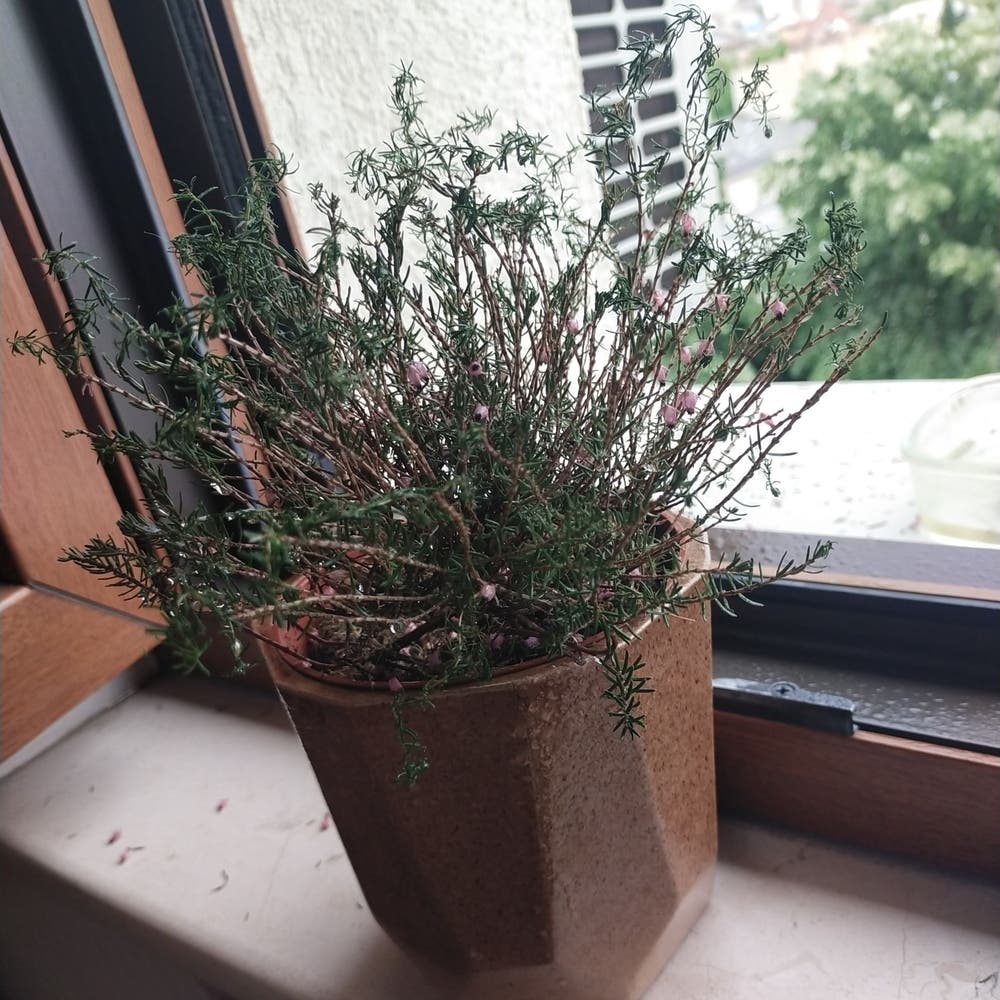
Leaf curling in Bell Heather can manifest as leaves twisting inward or taking on a rolled appearance. This distortion from their natural flat state is a telltale sign of distress. Watch for new growth that seems to be struggling to unfurl properly.
🚨 Early Signs That Your Bell Heather is Stressed
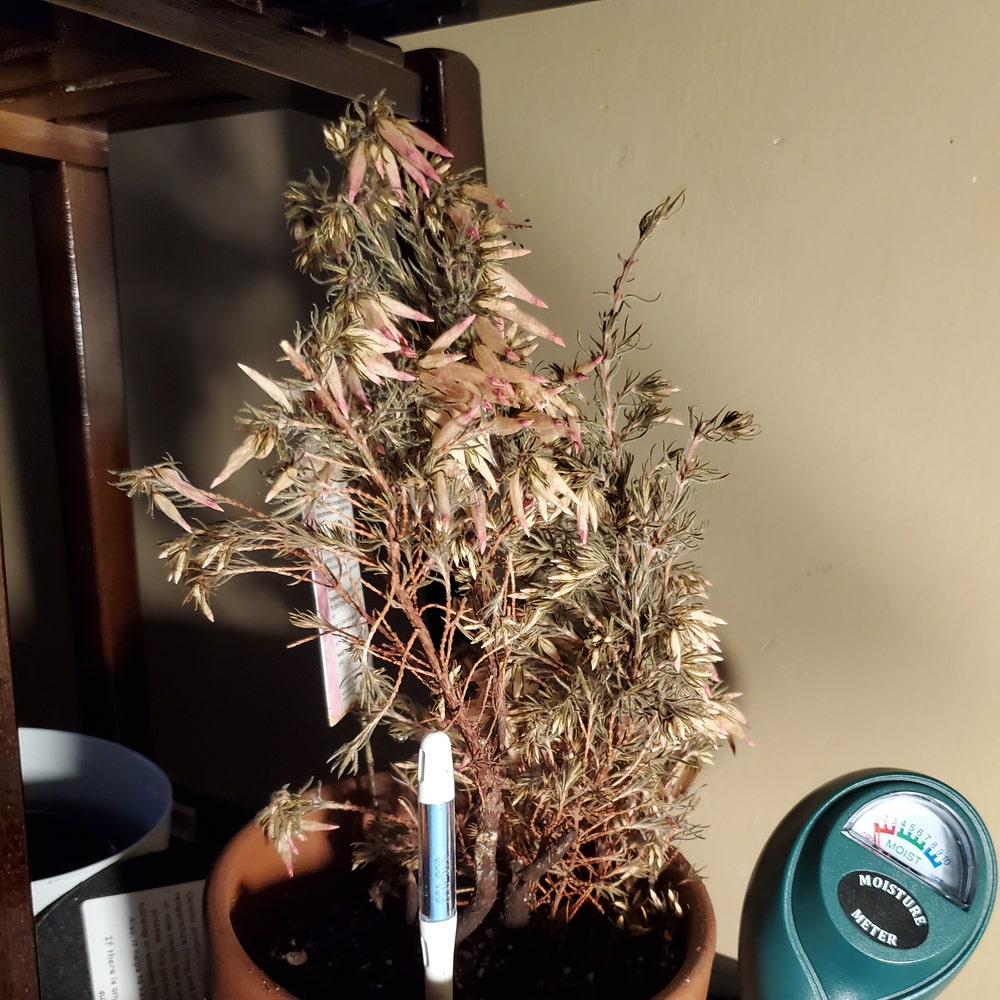
Before the curl becomes pronounced, subtle changes may occur. Leaves might exhibit a discoloration, shifting from vibrant green to a pale yellow or even brown. A change in texture, from firm to limp, can also be a precursor to more obvious curling.
👀 Other Symptoms to Watch For
Curling rarely happens in isolation. Keep an eye out for drooping stems or an overall wilted appearance. Spotting, especially on the underside of leaves, could indicate pests or disease. Unexpected leaf drop is another red flag that shouldn't be ignored.
Unraveling the Causes of Leaf Curling
💧 Thirsty Roots or Drowning?
Overwatering your Bell Heather can lead to root suffocation and leaf curling. Leaves might feel soft and look yellowish, signaling distress. Underwatering is no less harmful; leaves become dry and crispy, curling up in a desperate bid for moisture. To tell the difference, check the soil: if it's soggy, you're overdoing it; if it's bone dry, you're not doing enough.
❄️ When the Weather Outside is Frightful
Extreme temperatures can wreak havoc on Bell Heather. Intense sunlight can cause leaves to curl up as a shield, while cold snaps can make them brittle. Wind can also stress your plant, leading to curling leaves. Protection is key: use mulch to retain soil moisture, shade cloth to diffuse harsh sun, and windbreaks to guard against gusts.
🐛 Unwanted Guests and Unseen Illnesses
Pests like aphids, spider mites, and thrips are notorious for causing leaf curling as they feast on your plant. Diseases, such as fungal infections, can leave spots or rots, with leaves curling as a response to the damage. Be on the lookout for sticky residues or discolored spots, and act fast with appropriate treatments to stop these invaders in their tracks.
Turning Over a New Leaf: Solutions and Treatments
💧 Getting Watering Right
Watering is more art than science. Roots need moisture, but they're not fond of swimming. Stick a finger in the soil; if the top inch is dry, it's time to water. Use a pot with drainage holes to avoid soggy soil tragedies. And please, no sips and soaks—be consistent.
🌳 Creating a Cozy Environment
Your Bell Heather's comfort is non-negotiable. Too much sun? Introduce some shade. Wind breaking your plant's spirit? Erect a windbreak. Mulch is like a security blanket for roots, keeping them cozy and regulated. Remember, your plant's environment is a bubble—keep it stable.
🐜 Kicking Out Pests and Battling Diseases
When pests check in, show them the exit with neem oil or insecticidal soap. Diseases? They're unwelcome guests. Improve air circulation, and keep those leaves dry—fungus despises a drought. If all else fails, a targeted fungicide might just be your silver bullet.
Keeping Your Bell Heather Happy and Healthy
🏡 The Perfect Home: Soil and Site Selection
Bell Heather thrives in acidic soils with a pH between 4.5 and 6.0. Choosing a well-drained spot is non-negotiable; soggy conditions are a one-way ticket to root rot. Full sun to partial shade is the sweet spot for these plants, ensuring they get their light fix without a sunburn.
🩺 Regular Check-ups and Preventive Care
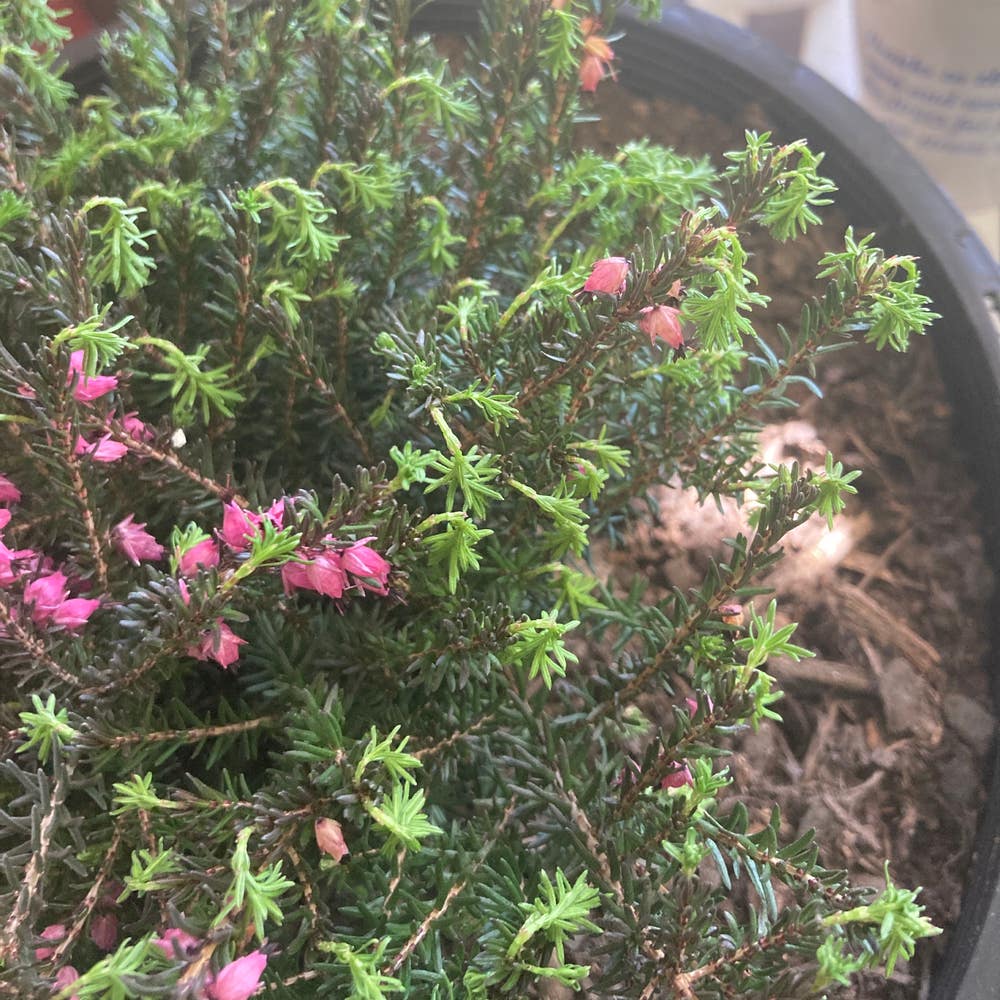
Routine inspections are like health check-ups for your Bell Heather. Look for vibrant leaves and steady growth as signs of a happy plant. Adjust your care with the seasons—less water when it's cool, more shade when it's hot. And don't forget, mulching is your ally in moisture management and weed warfare.
⚠️ Safety First
This content is for general information and may contain errors, omissions, or outdated details. It is not medical, veterinary advice, or an endorsement of therapeutic claims.
Always consult a qualified healthcare professional before using any plant as food, medicine, or supplement.
Never eat any plant (or feed one to pets) without confirming its identity with at least two trusted sources.
If you suspect poisoning, call Poison Control (800) 222-1222, the Pet Poison Helpline (800) 213-6680, or your local emergency service immediately.
Spotted an error? Please report it here.
Prevent those Bell Heather leaves from curling by letting Greg track soil moisture 🌧 and remind you when it's time to water for stress-free plant care.