🌞 Is My Bell Heather Getting Too Much Direct Sunlight?
Erica cinerea
By the Greg Editorial Team
Apr 14, 2024•4 min read
This article was created with the help of AI so we can cover more plants for you. May contain errors. See one? Report it here.
Shield your Bell Heather from sun damage and master its ideal light needs for lush growth. 🌞🌿
- Brown/white patches? Your Bell Heather may be sunburned.
- 4-6 hours of sunlight is ideal for Bell Heather.
- Rotate and relocate to prevent sun damage and ensure even light.
Spotting the Signs: Is Your Bell Heather Sunburned?
🌞 Visual cues of too much sun
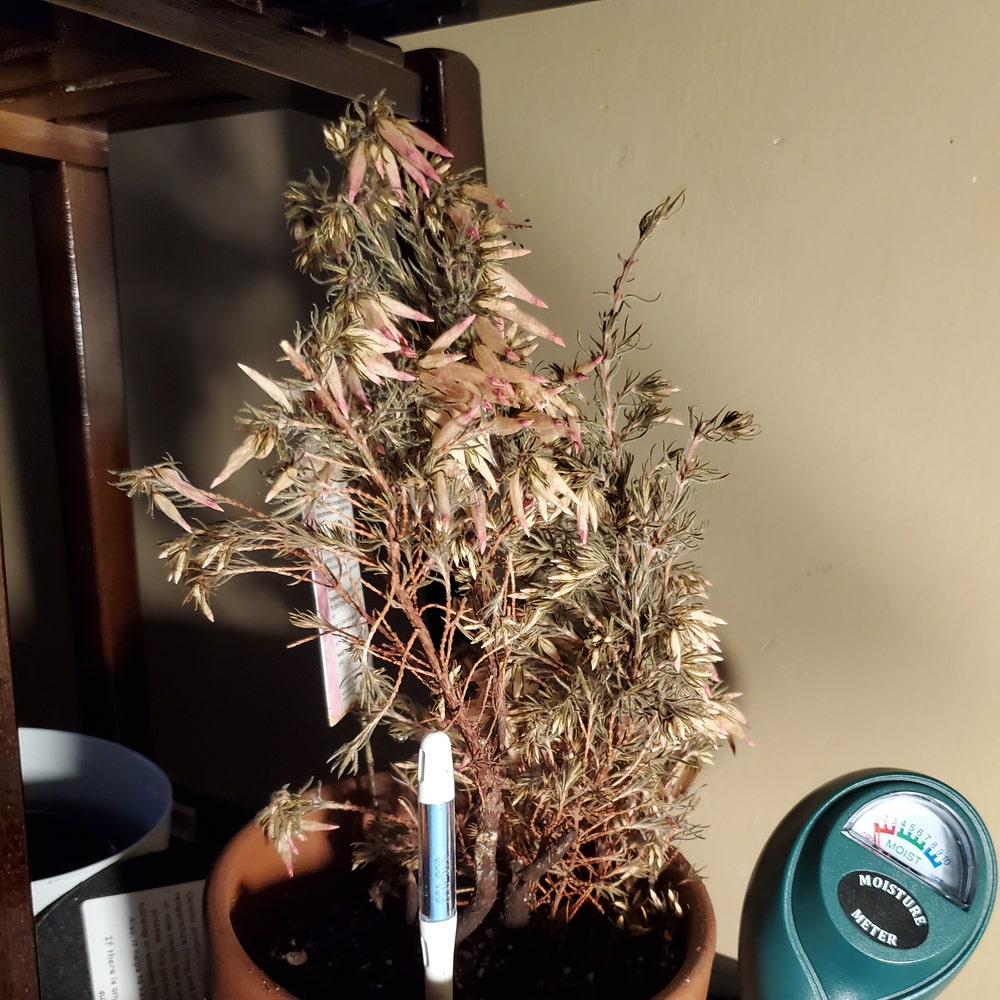
Bell Heather, with its vibrant purple blooms, isn't shy about showing distress. Sunburn on these plants manifests as brown or white patches on the leaves. Unlike a trendy variegation, these marks are a distress signal. If the leaves resemble a toasted marshmallow, it's time to rethink your sunlight strategy.
🏜️ How Bell Heather tells you it's thirsty for shade
When Bell Heather craves less light, the leaves may start to droop. It's like the plant is trying to duck out of the sun's harsh rays. A once lush and perky plant now looking deflated is a clear cry for some shade.
🚀 Immediate steps to take if you notice sun damage
First, relocate your Bell Heather to a spot with gentler light. Think of it as moving it from the sun's spotlight to the backstage. Next, ensure even exposure by rotating the plant regularly. If you're dealing with a sunburn situation, consider a shade cloth as a temporary sunblock. Remember, recovery is a marathon, not a sprint; new growth will eventually replace the scorched leaves.
Bell Heather and Sunlight: Finding the Sweet Spot
⛅️ Bell Heather's Love-Hate Relationship with the Sun
Bell Heather thrives under the right amount of sunlight. Too much, and it suffers; too little, and it languishes. It's a delicate balance, like walking a tightrope in the world of gardening.
⛅️ Ideal Sunlight Conditions for a Happy Bell Heather
Four to six hours of sunlight is the sweet spot for Bell Heather. It prefers bright mornings with some protection from the harsher afternoon rays. Think of it as a morning person who likes to retreat for an afternoon nap.
⛅️ What to Do When the Sun Gets Too Intense
When the sun turns from friend to fiend, it's time to act. If your Bell Heather shows signs of sun stress, such as bleached leaves, provide immediate shade. A sheer curtain or a strategically placed umbrella can be a quick fix. Regularly rotate your plant to ensure even exposure, avoiding the one-sided growth that comes from reaching for the light.
Windows and Hemispheres: Navigating the Sunny Maze
🌞 Choosing the best window for your Bell Heather
Bell Heather thrives in bright light, but the best window for it depends on your global address. In the Northern Hemisphere, south-facing windows are the go-to for that solar sweet spot. Down South? Flip it—north-facing windows are your Bell Heather's best friend.
🌍 Understanding the sun's path in your hemisphere
The sun's path isn't just a celestial joyride—it's critical for your plant's well-being. Seasons dictate the sun's trajectory, and your Bell Heather's health hinges on your savvy to track this. It's a game of angles, and you're the referee.
🌅 Adjusting Bell Heather's position with the changing sun
As Earth tilts on its axis, so should your Bell Heather tilt towards or away from the window. When the sun plays coy in winter, cozy up your plant to the glass. Come summer, when the sun's all up in your grill, pull back. It's a tango with the rays, and you're leading the dance.
Seasonal Sun Care for Bell Heather
☀️ Summer: Shielding Bell Heather from the scorching sun
Summer turns up the heat, and your Bell Heather feels it. Direct sunlight can be too intense, risking sunburn. To protect your plant, employ sheer curtains or move it to a spot with afternoon shade. It's like giving your heather sunglasses; it filters the harsh rays while still basking in the glow.
❄️ Winter: Maximizing light during the darker days
Winter is a different beast. Light is scarce, and your Bell Heather craves those precious rays. Place it near a window to soak up the indirect sunlight, but watch for signs of light deprivation. If needed, a grow light can give your heather the boost it needs without the risk of frostbite.
🍂 Transitioning Bell Heather care in spring and fall
Spring and fall are times of change. Your Bell Heather's care should shift accordingly. As the sun's angle changes, so should your plant's position. Gradually acclimate it to prevent shock—think of it as a plant's version of layering up or down with the weather. Watering and light exposure need tweaking to hit that sweet spot of care.
⚠️ Safety First
This content is for general information and may contain errors, omissions, or outdated details. It is not medical, veterinary advice, or an endorsement of therapeutic claims.
Always consult a qualified healthcare professional before using any plant as food, medicine, or supplement.
Never eat any plant (or feed one to pets) without confirming its identity with at least two trusted sources.
If you suspect poisoning, call Poison Control (800) 222-1222, the Pet Poison Helpline (800) 213-6680, or your local emergency service immediately.
Spotted an error? Please report it here.
Keep your Bell Heather flourishing 🌞 with Greg's PlantVision to find the ideal spot and prevent sun stress with ease.