Common Bell Heather Problems
Erica cinerea
By the Greg Editorial Team
Apr 14, 2024•5 min read
This article was created with the help of AI so we can cover more plants for you. May contain errors. See one? Report it here.
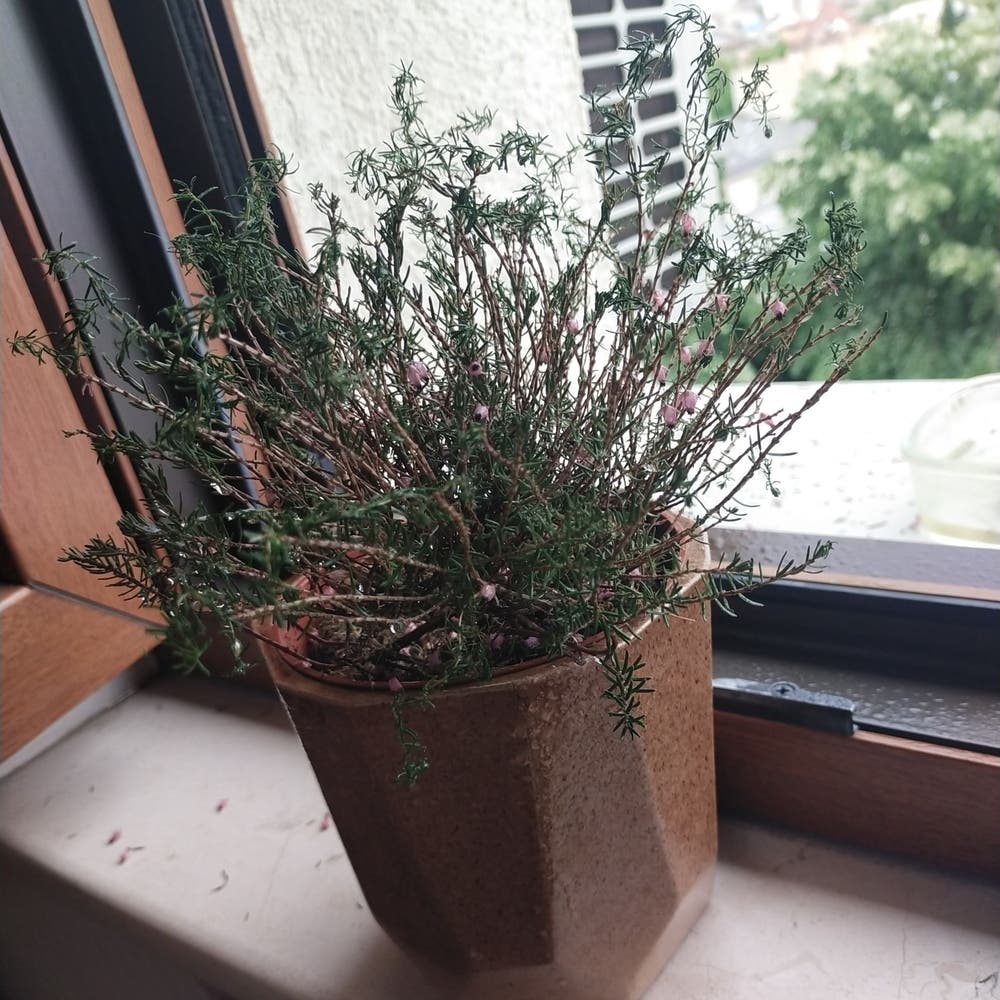
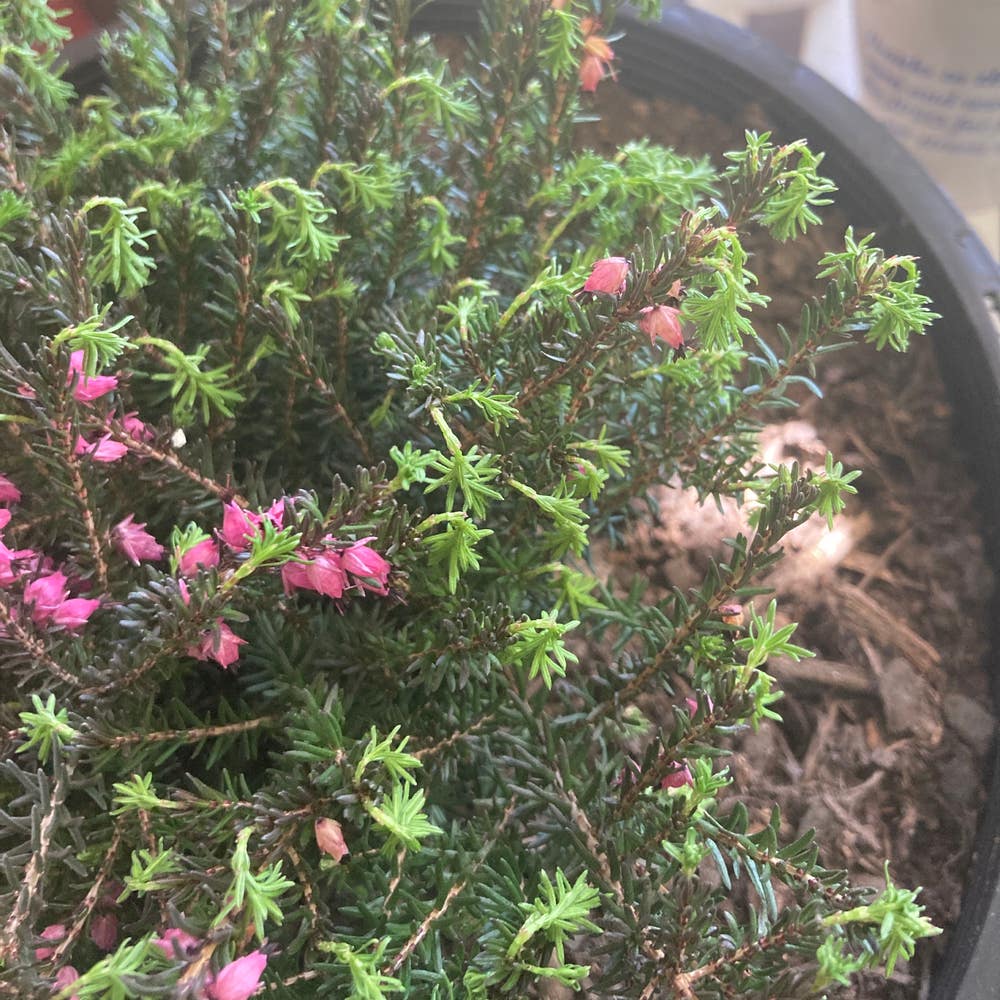
Nurture a flourishing Bell Heather 🌿 by dodging these typical gardening snags with ease!
- Yellow leaves? Overwatering may be the culprit—let soil dry out.
- 🌡️ Stable temps and indirect light keep Bell Heather happy.
- 🐛 Pests and fungi? Combat with good air circulation and insecticidal soap.
When Watering Goes Wrong: Drowning and Drought
🌊 Over-watering Woes
Yellow leaves and soggy soil are the tell-tale signs of overwatering your Bell Heather. It's like giving your plant a bath when it just needed a quick shower.
To rescue an over-watered Bell Heather, first stop watering immediately. This is your plant's version of a timeout. Then, consider unpotting to check for root rot. If the roots are still in fighting shape, repot in well-draining soil. If they're starting to look like leftovers you forgot in the fridge, trim the rot and treat with a fungicide before repotting.
🏜️ The Thirsty Plant
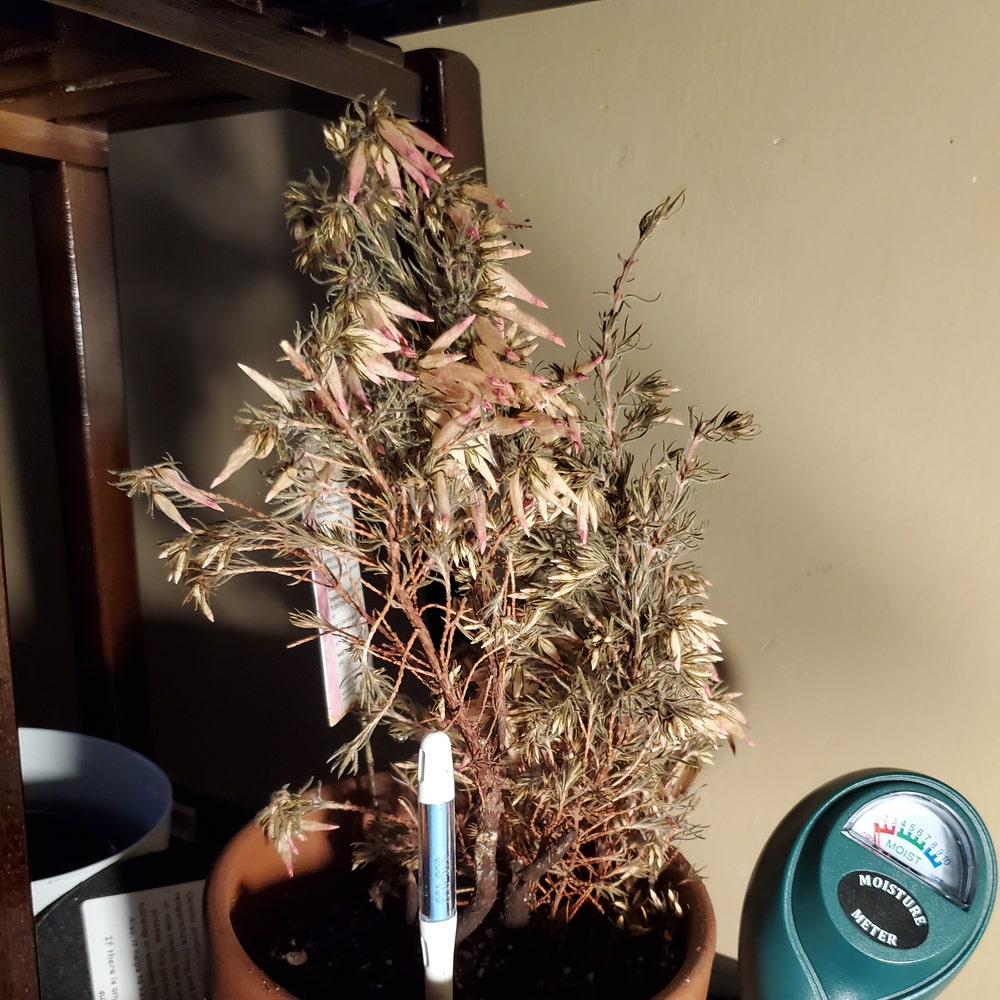
Crispy leaves and a wilting posture are your Bell Heather's way of saying, "I'm parched!" It's the plant equivalent of a dry throat after a night out.
To quench your plant's thirst, adjust your watering routine. It's not about drenching it in one go but ensuring a consistent moisture level. Think of it as a regular top-up for your mobile phone's data plan. If the soil feels like a stale biscuit, it's time for a thorough soak. Just remember to let it drain; Bell Heather doesn't do well with wet feet.
Light and Temperature: Finding the Sweet Spot
⛅️ Too Much Sun, Too Little Light
Bell Heather thrives in that Goldilocks zone of lighting—not too bright, not too dim. Discoloration of leaves and elongated, leggy stems are tell-tale signs of light stress. To prevent this, ensure your plant enjoys bright, but indirect sunlight. Think of it like a cozy spot under a tree canopy rather than a desert dune.
Rotate your plant periodically to avoid the dreaded sunburned leaf look. This simple act can keep your Bell Heather evenly lit and happy.
🌡️ Temperature Tantrums
Temperature swings are like a bad day for Bell Heather: they can cause wilting, leaf scorch, and stunted growth. Cold snaps and heat waves can wreak havoc, so it's crucial to keep your plant in a stable environment. Avoid placing it near heaters, air conditioners, or drafty windows, as these can be the equivalent of a plant's worst nightmare.
To keep things cozy, shuffle your plant around with the seasons. It's like adjusting the thermostat to ensure your green guest is always comfortable. Remember, a stable temperature is key to a thriving Bell Heather.
Uninvited Guests: Tackling Pests and Diseases
🐜 Pests: The Tiny Terrors
Bell Heather can fall prey to minuscule marauders like spider mites, aphids, and mealybugs. These pests are not just a nuisance; they're a threat to your plant's well-being.
🕵️ Identifying Invaders
Check the undersides of leaves and along stems for these critters. Spider mites leave telltale webs, aphids excrete a sticky residue, and mealybugs appear as tiny cotton-like clumps.
💥 Fight Back
Combat these pests with insecticidal soap or neem oil—they're like the pest control SWAT team. For a more eco-friendly approach, release predatory insects such as ladybugs into your garden. They're the natural adversaries of these pests and can help keep their populations in check.
🍄 Fungal Foes and Mold
Fungal issues can sneak up on your Bell Heather, presenting as spotted leaves or a musty odor. These problems thrive in moist conditions and can quickly escalate if not addressed.
🚨 Recognizing the Signs
Be on the lookout for powdery mildew or gray mold. These fungal culprits can give leaves a dusty appearance or a furry coating.
🌬️ Clearing the Air
To tackle these issues, prune affected areas with sterilized shears—think of it as a precision strike against the spread of disease. Consider using a fungicide, but remember, the best offense is a good defense. Keep your Bell Heather's leaves dry and ensure good air circulation to prevent future fungal gatecrashers.
Root Rot: The Silent Killer
Root rot is a covert menace that can decimate your Bell Heather from the roots up, often going unnoticed until severe damage has occurred. Vigilance is key to early detection, with symptoms like stunted growth, yellowing leaves, and a base that's softer than expected signaling potential trouble.
🕵️♂️ Early Detection
Keep an eye out for roots that resemble overcooked spaghetti or have a mushy texture. A plant wilting despite proper watering or emitting a foul odor from the soil are red flags. Don't ignore leaves that feel like a squishy peach rather than a crisp apple; they're telling you something's wrong below the surface.
🏥 Surgery for the Soil
When root rot is confirmed, it's time to channel your inner plant surgeon. Remove the plant from its pot and gently shake off the excess soil to expose the roots. With sterilized shears, cut away the rotted parts, which will likely be soft and darkened. Be ruthless yet precise—healthy, firm roots are what you want to keep.
🏨 Post-Operation Care
After the amputation, let the roots air out before repotting in fresh, well-draining soil. Adjust your watering habits to prevent a relapse; overzealous watering is often the culprit. Recovery requires consistent care, so keep a vigilant eye on your Bell Heather.
🚫 Preventing Future Episodes
Prevention is better than cure. Ensure your watering routine allows the soil to dry out between sessions. Opt for a potting mix that drains quickly to avoid waterlogging. By staying alert to the telltale signs, you can prevent root rot from becoming a recurring nightmare for your Bell Heather.
⚠️ Safety First
This content is for general information and may contain errors, omissions, or outdated details. It is not medical, veterinary advice, or an endorsement of therapeutic claims.
Always consult a qualified healthcare professional before using any plant as food, medicine, or supplement.
Never eat any plant (or feed one to pets) without confirming its identity with at least two trusted sources.
If you suspect poisoning, call Poison Control (800) 222-1222, the Pet Poison Helpline (800) 213-6680, or your local emergency service immediately.
Spotted an error? Please report it here.
Avoid the common woes of Bell Heather care and keep your blooms thriving 🌿 with Greg's personalized reminders for the perfect watering and sunlight schedule.