Why Is My Bell Heather Dropping Leaves?
Erica cinerea
By the Greg Editorial Team
Apr 14, 2024•4 min read
This article was created with the help of AI so we can cover more plants for you. May contain errors. See one? Report it here.
Prevent your Bell Heather from shedding tears (leaves) 🍂 with these essential, easy-to-follow care tips!
- Stabilize temperature and light to prevent Bell Heather leaf drop.
- Watering balance is crucial; avoid both drench and drought.
- Monitor soil and roots for health; amend soil for better drainage.
Pinpointing the Culprits Behind Leaf Dropping
💡 Environmental Stressors
Temperature and light are the big cheeses of the plant world, and getting them wrong is like throwing a wrench in the works for your Bell Heather. Temperature swings can make your plant's leaves drop faster than a hot potato. Keep the thermometer steady; your plant's not into rollercoaster rides.
Lighting is another make-or-break factor. Too much sun and your Bell Heather's leaves might crisp up like bacon in a pan. Too little, and they'll stretch out, thin and weak, like they're trying to catch the last rays at sunset. Find that Goldilocks zone of just-right light.
🚰 Water Woes
Watering is like walking a tightrope; too much or too little and you're in for a tumble. Overwatering can turn your soil into a swamp, and before you know it, root rot sets in and leaves start dropping like flies. On the flip side, underwatering leaves your Bell Heather thirstier than a marathon runner without a water station. Aim for soil that's moist but not soggy, like a well-wrung sponge.
🌱 Soil and Roots: The Hidden Troublemakers
Don't overlook the soil; it's the foundation of your plant's health. Poor drainage is the silent assassin of the plant world, suffocating roots and causing leaves to fall like dominoes. Ensure your Bell Heather's roots have room to breathe and the right mix of nutrients to feast on. It's a balancing act, but get it right, and you'll see fewer leaves hitting the deck.
Spotting the Signs: How to Tell Your Bell Heather Is Unhappy
🚨 Visual Clues
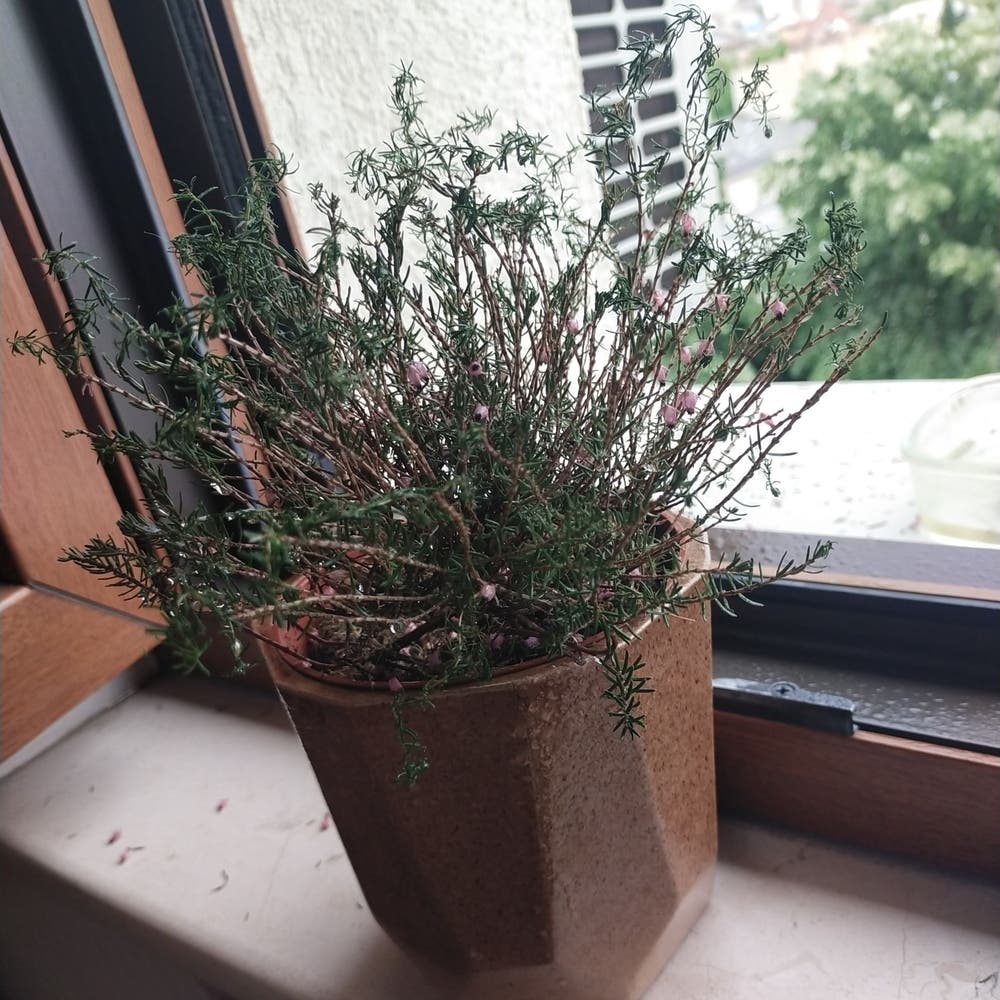
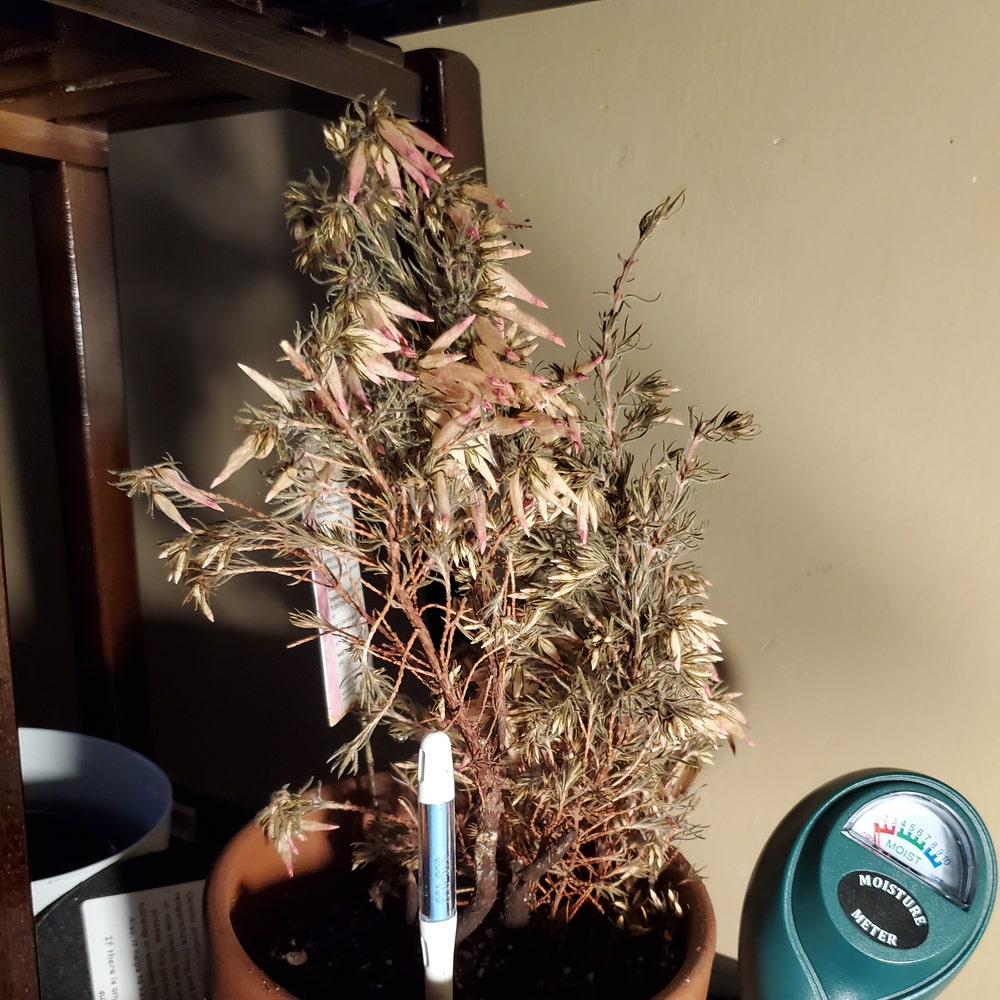
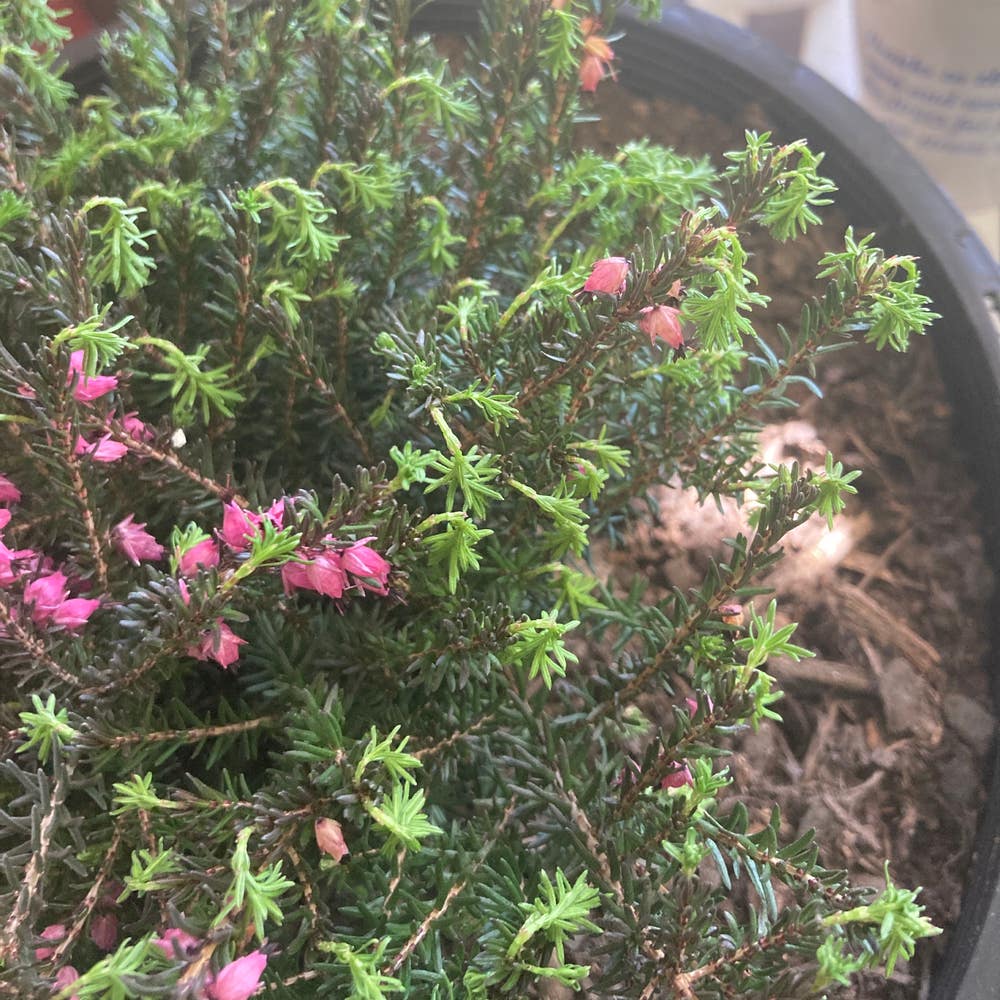
Discoloration is a telltale sign of a Bell Heather in distress. If the normally dark green leaves start sporting shades of yellow or brown, it's time to pay attention. The texture of the leaves can also be revealing; they should be firm, not limp or crispy.
🕵️ Root Health Check
Roots are the lifeline of your Bell Heather. If the leaves are drooping or the plant seems generally unwell, it's worth taking a peek underground. Soft, brown, or mushy roots spell trouble, often indicating root rot. A foul smell emanating from the soil is another red flag that shouldn't be ignored.
Turning Over a New Leaf: Effective Remedies
💡 Fine-Tuning the Environment
Bell Heather thrives in stability. Avoid the drama of temperature fluctuations by keeping your plant in a spot that maintains a consistent climate. Indirect light is your Bell Heather's best friend; direct sunlight can be too intense. Consider a pebble tray or humidifier if your air is as dry as a humorist's wit.
🚰 Watering Wisdom
Watering is a balancing act. Before you water, ensure the soil is dry an inch down—your plant's roots need to breathe, not swim. In winter, reduce watering frequency; Bell Heather isn't thirsty for drama. Water early in the morning, targeting the soil to avoid unwanted leaf wetness and potential fungal raves.
🌱 Soil Solutions
Well-draining soil is non-negotiable. Use pots with drainage holes and mix in perlite or pumice to keep the soil's airiness on point. If your Bell Heather's soil feels more like a swamp than a bed, it's time for an intervention. Add organic matter like compost to hit the reset button on your soil's health.
Keeping the Leaves On: Prevention Strategies
🕵️♂️ Regular Monitoring
Routine checks are the cornerstone of plant health. Consistency is key—make inspecting your Bell Heather a part of your weekly ritual. Look for early signs of distress, like unusual leaf discoloration or wilting. Early intervention can nip potential problems in the bud, ensuring your plant remains vibrant and leafy.
🐜 Proactive Pest Patrol
Pests are the uninvited guests at your plant's dinner party. Stay vigilant for these freeloaders; a regular once-over of your Bell Heather can reveal much. Spot any critters? Time to take action. Employ insecticidal soap or neem oil treatments promptly. Remember, a clean plant is less inviting to pests, so remove any fallen leaves or debris that could harbor unwanted visitors.
⚠️ Safety First
This content is for general information and may contain errors, omissions, or outdated details. It is not medical, veterinary advice, or an endorsement of therapeutic claims.
Always consult a qualified healthcare professional before using any plant as food, medicine, or supplement.
Never eat any plant (or feed one to pets) without confirming its identity with at least two trusted sources.
If you suspect poisoning, call Poison Control (800) 222-1222, the Pet Poison Helpline (800) 213-6680, or your local emergency service immediately.
Spotted an error? Please report it here.
Ensure your Bell Heather stays vibrant 🍃 by letting Greg's personalized care reminders help you maintain the perfect growing conditions, preventing leaf drop.