What Temperature Should My Bell Heather Be Kept At?
Erica cinerea
By the Greg Editorial Team
Apr 14, 2024•4 min read
This article was created with the help of AI so we can cover more plants for you. May contain errors. See one? Report it here.
Discover the secret to lush Bell Heather blooms 🌸 by hitting the perfect temperature sweet spot!
- 🌡️ Ideal range 40-65°F (4-18°C); above 70°F or below 32°F risks damage.
- Watch for wilting or discoloration as signs of temperature stress.
- Seasonal care: Shade in summer, insulation in winter, adjust humidity.
Nailing the Perfect Temperature for Bell Heather
🌡️ The Goldilocks Zone: Ideal Temperature Range
Bell Heather thrives in temperatures that mirror its natural moorland habitat. Aim for a range of 40-65°F (4-18°C) to see your Bell Heather burst into its signature colorful splendor. This zone ensures the plant's flowers live their best life, lasting longer and looking brighter.
🔥 When Things Heat Up: High Temperature Tolerance
Bell Heather can handle a bit of heat, but don't push it. Temperatures above 70°F (21°C) might make your plant uncomfortable. It's resilient but prefers not to sweat through a heatwave. Keep it cool, and it'll return the favor with vibrant flowers.
❄️ Chilly Concerns: Low Temperature Tolerance
When the thermometer dips, Bell Heather can take the chill down to freezing. However, prolonged exposure to temperatures below 32°F (0°C) is a no-go. It's tough, but not invincible—protect it from frostbite to avoid damage.
Spotting Trouble: Signs of Temperature Stress
🚨 Visual SOS: Recognizing the Symptoms
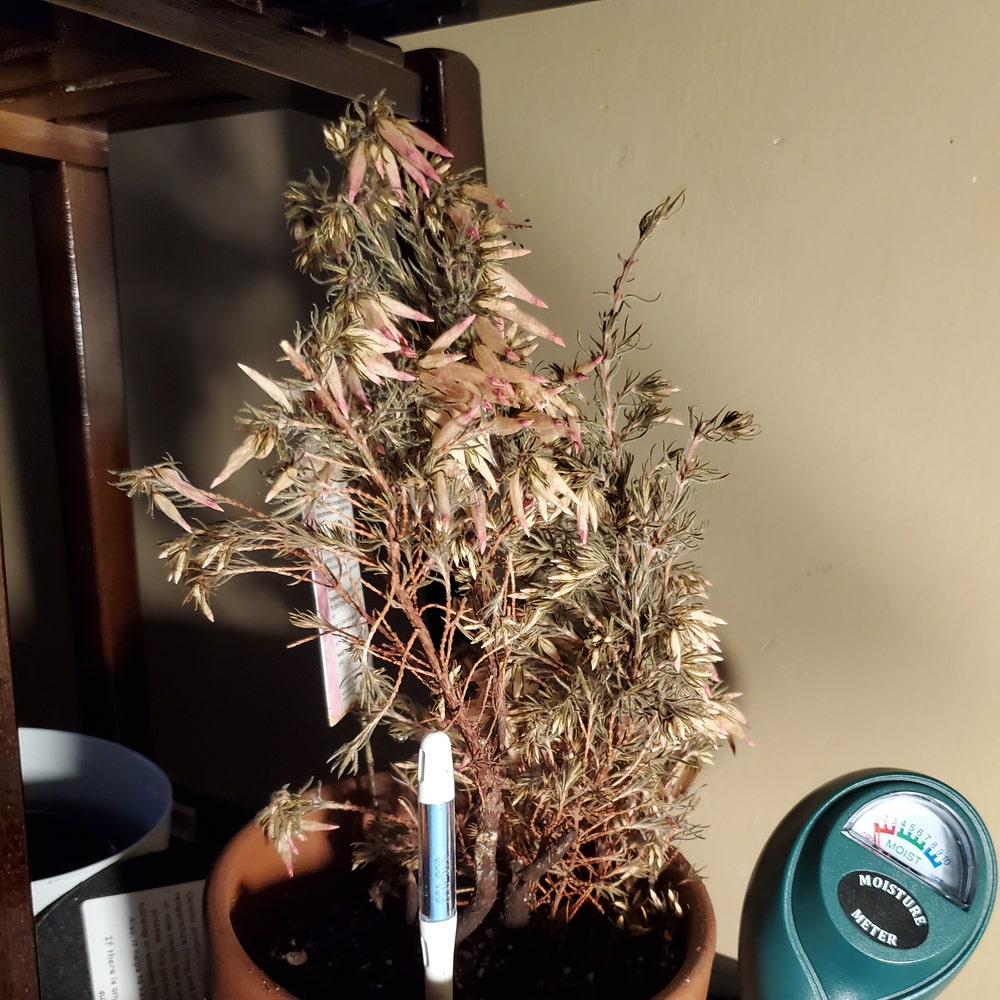
Wilting, discoloration, and leaf drop are the plant's equivalent of waving a white flag. Bell Heather's leaves may turn a sunburnt yellow or a frostbitten purple, hinting at whether it's too hot or too cold. If the leaves look like they've been through a rough night, it's time to pay attention.
🥶 Long-Term Chill: Risks of Ignoring the Signs
Ignoring these signs is like turning a blind eye to a plant in peril. Continuous temperature stress can lead to stunted growth, a full-on plant shutdown, and even make your Bell Heather an open house for root rot and pests. If your plant's growth has hit the brakes, it's time to reassess its living conditions.
Keeping Your Cool: Protecting Bell Heather from Extreme Temps
🌞 Summer Sizzle: Tips to Beat the Heat
In the summer heat, Bell Heather can feel like it's baking in an oven. Shade is your first line of defense; position your plant where it'll receive indirect sunlight during the hottest parts of the day. Consider using a light-colored mulch to reflect heat away from the soil, keeping roots cooler. Watering should be more frequent, but don't drown your plant—overwatering is as harmful as a drought. For potted heathers, move them to a cooler spot, maybe where they can catch a gentle breeze, but not directly under a fan or AC vent.
❄️ Winter Woes: Strategies for Cold Protection
When winter's chill sets in, Bell Heather's toughness is tested. Insulation is key; a layer of mulch can protect against frost. If you're expecting a freeze, wrap your plant in horticultural fleece—think of it as a cozy jacket for your green friend. Potted plants are more vulnerable, so bring them indoors or into a garage if severe cold threatens. Remember, Bell Heather despises wet feet in winter, so ease up on the watering can. And, of course, keep them shielded from harsh, desiccating winds.
A Quick Word on Humidity
In the grand scheme of Bell Heather care, humidity is a crucial ally to temperature. It's not about turning your home into a steam room, but rather maintaining a consistent moisture level that complements the temperature, ensuring your plant thrives.
💃 The Humidity-Temperature Tango
Bell Heather doesn't need a tropical monsoon, but it does appreciate moderate humidity. This balance helps replicate the plant's natural cool habitat. Too little humidity, and you may notice your Bell Heather's leaves turning as crisp as autumn leaves. Too much, and you're rolling out the red carpet for a fungal free-for-all.
🌦 Seasonal Humidity Swings
As indoor humidity shifts with the seasons, so should your care strategy. When heaters dry out the air in winter, consider a pebble tray or humidifier to keep the moisture just right. In the more humid months, ensure good air circulation to prevent moisture from overstaying its welcome.
🎭 Humidity's Supporting Role
While temperature might take the lead, humidity plays a critical supporting role. It's the invisible partner that can make or break your Bell Heather's well-being. Keep an eye on the leaves – they'll tell you if the air's too dry or if you're flirting with a fungal fiesta. Remember, it's all about finding that sweet spot where your Bell Heather can sing with color.
⚠️ Safety First
This content is for general information and may contain errors, omissions, or outdated details. It is not medical, veterinary advice, or an endorsement of therapeutic claims.
Always consult a qualified healthcare professional before using any plant as food, medicine, or supplement.
Never eat any plant (or feed one to pets) without confirming its identity with at least two trusted sources.
If you suspect poisoning, call Poison Control (800) 222-1222, the Pet Poison Helpline (800) 213-6680, or your local emergency service immediately.
Spotted an error? Please report it here.
Ensure your Bell Heather thrives in the perfect climate 🌡 with Greg's personalized environment tracking and care tips, keeping your green friend happy and healthy.