What It Means When Your Bell Heather Wilts 🌼
Erica cinerea
By the Greg Editorial Team
Oct 04, 2024•6 min read
This article was created with the help of AI so we can cover more plants for you. May contain errors. See one? Report it here.
Transform your wilting Bell Heather 🌱 into a thriving beauty with these essential care tips and tricks!
- 💧 Wilting in Bell Heather signals water stress from underwatering or overwatering.
- ☀️ Heat stress causes yellowing leaves; provide shade during peak sunlight hours.
- 🌱 Regularly check soil moisture and drainage to prevent future wilting issues.
Common Causes of Wilting Leaves
💧 Water Stress
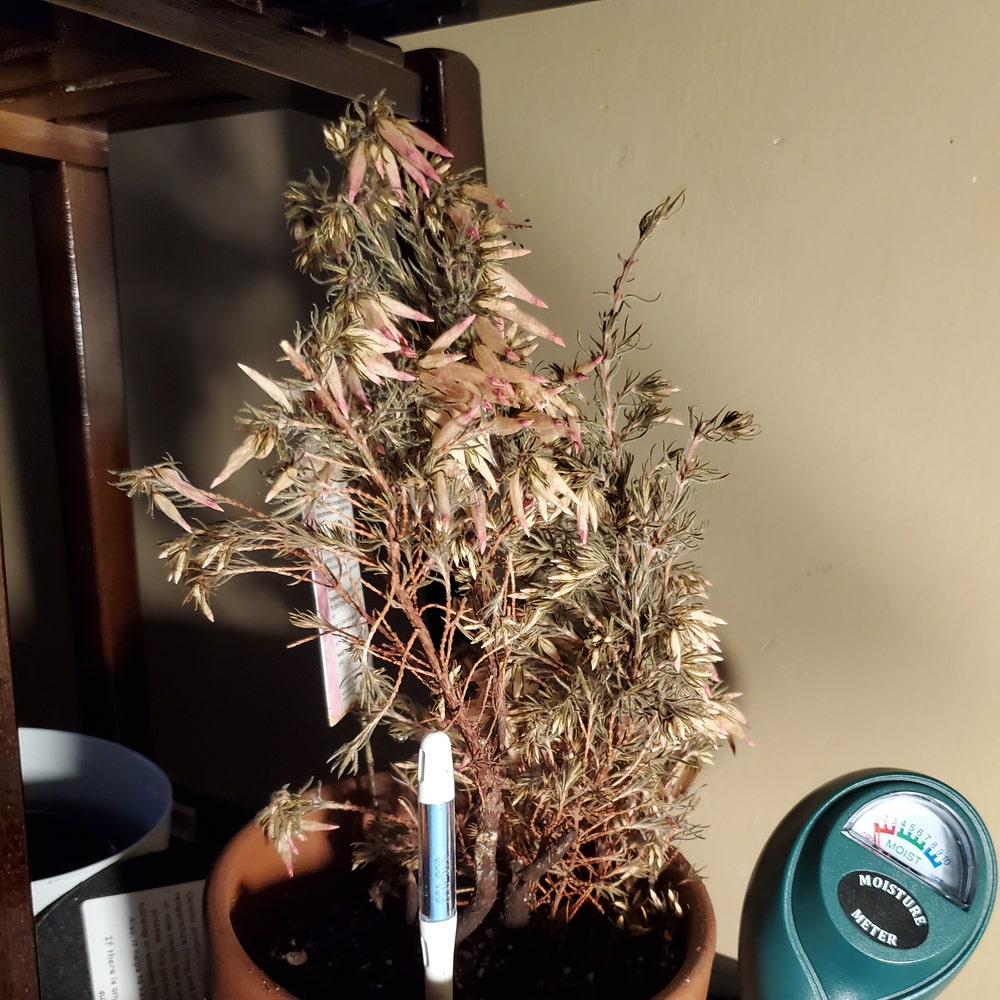
Wilting leaves can often signal water stress in your Bell Heather. Symptoms include droopy, dry, or crispy leaves that indicate the plant is struggling.
Underwatering
When the plant doesn't receive enough moisture, it leads to dehydration. This can cause the leaves to droop and lose their vibrant color.
Overwatering
On the flip side, overwatering can create waterlogged soil, suffocating the roots. This results in similar wilting symptoms, making it crucial to find a balance.
🔥 Heat Stress
Heat stress is another common culprit behind wilting leaves. Symptoms include yellowing or browning leaves that may become crispy to the touch.
Excessive Heat Exposure
Prolonged exposure to direct sunlight without adequate moisture can lead to this condition. It's essential to monitor your plant's environment, especially during hot spells.
🦠 Disease-Related Wilting
Though uncommon in Bell Heather, disease-related wilting can occur under specific conditions. Symptoms often manifest as sudden wilting, sometimes accompanied by discoloration.
Pathogenic Wilt
While rare, pathogenic wilt can affect your plant if the right conditions arise. Keeping an eye on your plant's health can help catch these issues early.
Understanding these common causes of wilting leaves is the first step in addressing the problem. Next, we'll explore how to diagnose wilting effectively.
Diagnosing Wilting
Step-by-Step Guide to Diagnose Wilting 🌱
Assess Soil Moisture: Start by checking the top inch of soil. If it feels dry, your plant might be underwatered. Conversely, if the soil is soggy, overwatering could be the culprit.
Observe Environmental Conditions: Take note of the temperature and sunlight exposure. Recent weather changes, like heat waves or heavy rain, can also impact your plant's health.
Inspect the Plant: Look closely for signs of pests or disease. Pay attention to the leaf color and texture, as these can provide crucial clues about the plant's condition.
Signs to Look for 🔍
Leaf Color Changes: Watch for yellowing or browning leaves, which can indicate stress.
Leaf Texture: Crispy or mushy leaves are red flags that something is off.
Overall Plant Vigor: Stunted growth or drooping stems suggest that your plant is struggling.
By following these steps, you can effectively diagnose the cause of wilting in your Bell Heather. Understanding these signs will help you take appropriate action to revive your plant and keep it thriving.
Next, let’s explore actionable solutions for addressing wilting leaves.
Solutions for Wilting Leaves
💧 Actionable Advice for Water Stress
For underwatering, the solution is straightforward: water thoroughly until moisture reaches the root zone. Establishing a consistent watering schedule will help prevent future dehydration.
On the flip side, if overwatering is the issue, allow the soil to dry out before the next watering. You can also improve drainage by amending the soil with sand or perlite, ensuring your Bell Heather has the right environment to thrive.
🌞 Actionable Advice for Heat Stress
When it comes to heat stress, providing shade during peak sunlight hours can make a significant difference. Additionally, increasing watering frequency during hot spells will help keep your plant hydrated and healthy.
🦠 Actionable Advice for Disease-Related Wilting
If you suspect disease-related wilting, start by identifying and removing any affected plant parts. In rare cases, treating with appropriate fungicides may be necessary, but this is seldom required for Bell Heather.
By addressing these issues promptly, you can help your plant recover and flourish. Next, let’s explore preventive measures to minimize future wilting.
Preventive Measures
🌱 Tips to Minimize Future Wilting
Regularly checking soil moisture levels is crucial for your Bell Heather. A simple finger test can help; if the top inch feels dry, it’s time to water.
Adjust your watering techniques according to the seasons. In hotter months, you may need to increase frequency, while cooler months might require less.
🌤️ Environmental Considerations
Choose a planting location that offers partial shade during the hottest parts of the day. This can significantly reduce heat stress and help maintain moisture.
Ensure your soil composition supports moisture retention. Mixing in organic matter can improve drainage while keeping the soil adequately moist.
By taking these preventive measures, you can help your Bell Heather thrive and minimize the risk of wilting. Next, let’s explore effective techniques for reviving a wilted plant.
Reviving a Wilted Plant
🌊 Techniques for Bottom Watering
Bottom watering is a simple yet effective method to revive your wilted Bell Heather. Start by filling a tray with water and placing the pot in it for about 30 minutes.
This technique allows the plant to absorb moisture from the bottom up, ensuring that the roots receive the hydration they need without over-saturating the topsoil.
🌳 Temporary Relocation Strategies
When extreme heat strikes, consider relocating your plant to a cooler, shaded area. This temporary move can help reduce stress and prevent further wilting.
Be mindful to avoid sudden changes; acclimate your plant gradually to minimize shock and ensure a smooth transition.
✂️ Pruning Damaged Leaves
If your plant has sustained damage, pruning can be a game-changer. Use clean, sharp pruning shears to remove any wilted or dead leaves.
Prune back to healthy tissue to encourage new growth, giving your Bell Heather the best chance to thrive again.
Reviving a wilted plant requires a mix of immediate action and thoughtful care. With these techniques, you can help your Bell Heather bounce back and flourish. Next, let’s explore when it’s time to seek expert assistance for persistent issues.
When to Seek Help
🆘 Signs That Indicate the Need for Expert Assistance
If your Bell Heather continues to wilt despite your best efforts, it’s time to consider seeking help. Persistent wilting can signal underlying issues that may require professional intervention.
Look out for severe pest infestations or disease symptoms. If you notice unusual spots, mold, or a rapid decline in plant health, don’t hesitate to reach out for assistance.
🌐 Resources for Assistance
Local nurseries can be a treasure trove of specialized advice. The staff often have firsthand experience with regional plant issues and can provide tailored solutions.
Online communities, like Greg, offer a platform for sharing experiences and solutions. Engaging with fellow plant enthusiasts can lead to valuable insights and support.
Recognizing when to seek help can make all the difference in reviving your Bell Heather. With the right resources, you can tackle any challenges head-on and keep your plant thriving.
⚠️ Safety First
This content is for general information and may contain errors, omissions, or outdated details. It is not medical, veterinary advice, or an endorsement of therapeutic claims.
Always consult a qualified healthcare professional before using any plant as food, medicine, or supplement.
Never eat any plant (or feed one to pets) without confirming its identity with at least two trusted sources.
If you suspect poisoning, call Poison Control (800) 222-1222, the Pet Poison Helpline (800) 213-6680, or your local emergency service immediately.
Spotted an error? Please report it here.
Revive your wilted Bell Heather and keep it thriving with Greg's personalized watering reminders and community support for all your plant care needs! 🌿