🌸 Bell Heather Buds Won't Open
Erica cinerea
By the Greg Editorial Team
Oct 04, 2024•4 min read
This article was created with the help of AI so we can cover more plants for you. May contain errors. See one? Report it here.
Master essential care tips for vibrant Bell Heather blooms 🌸 and troubleshoot common flowering issues with ease!
- 🌞 Bell Heather needs full sun to partial shade for optimal blooming.
- 🌱 Nutrient deficiencies, especially phosphorus and potassium, hinder flower development.
- 💧 Overwatering causes root rot; deep, infrequent watering is best for health.
Flowering Problems in Bell Heather
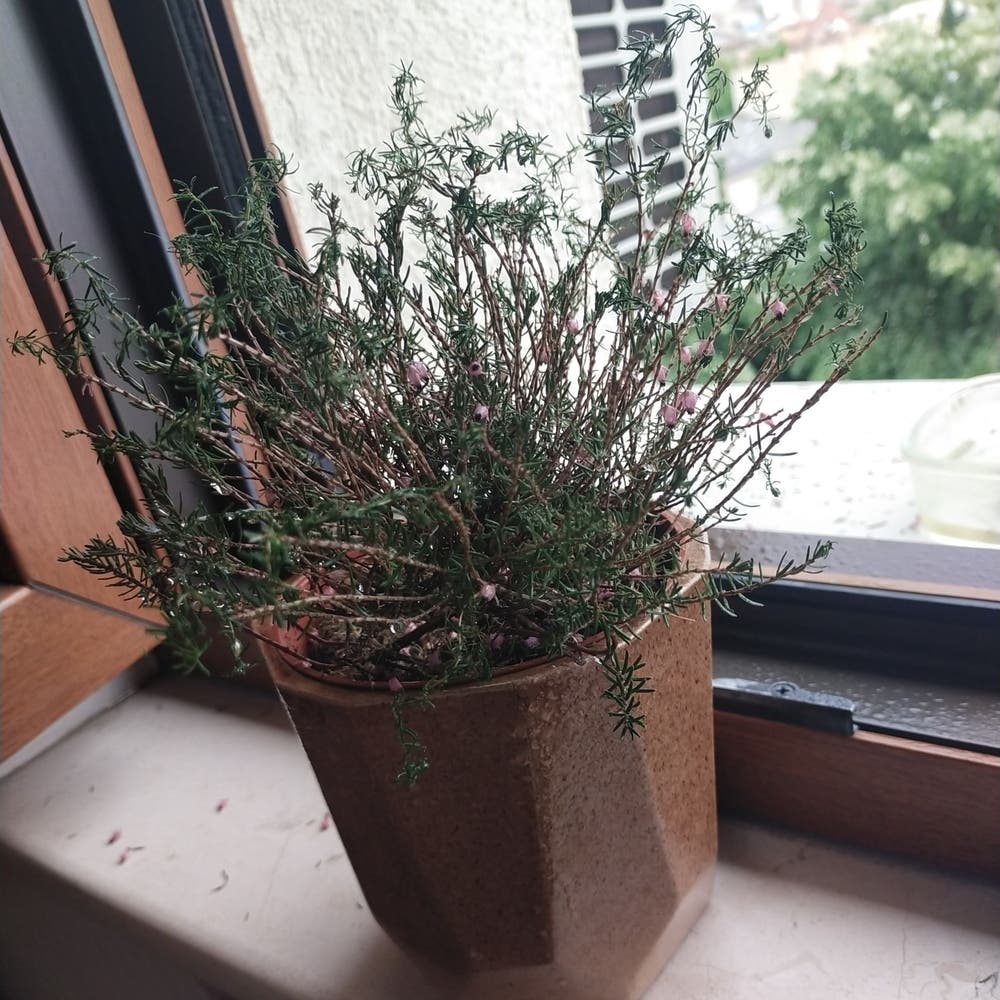
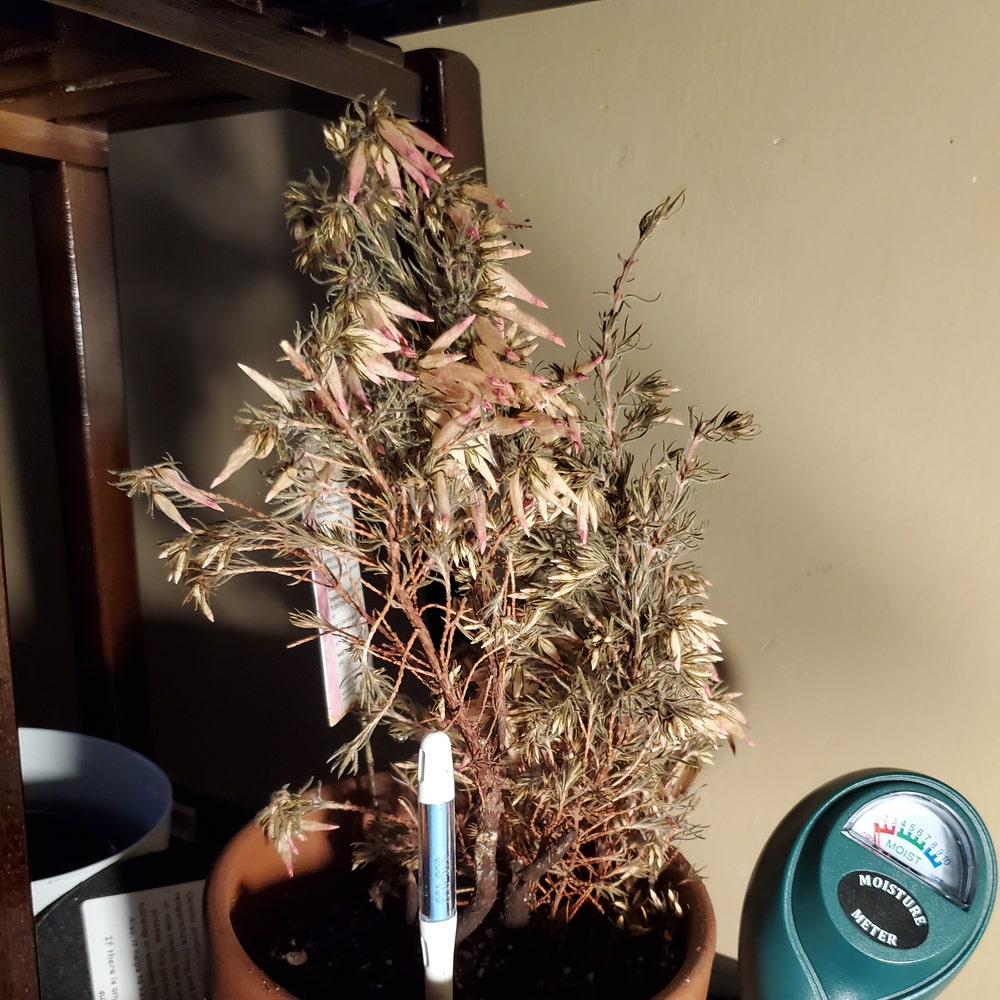
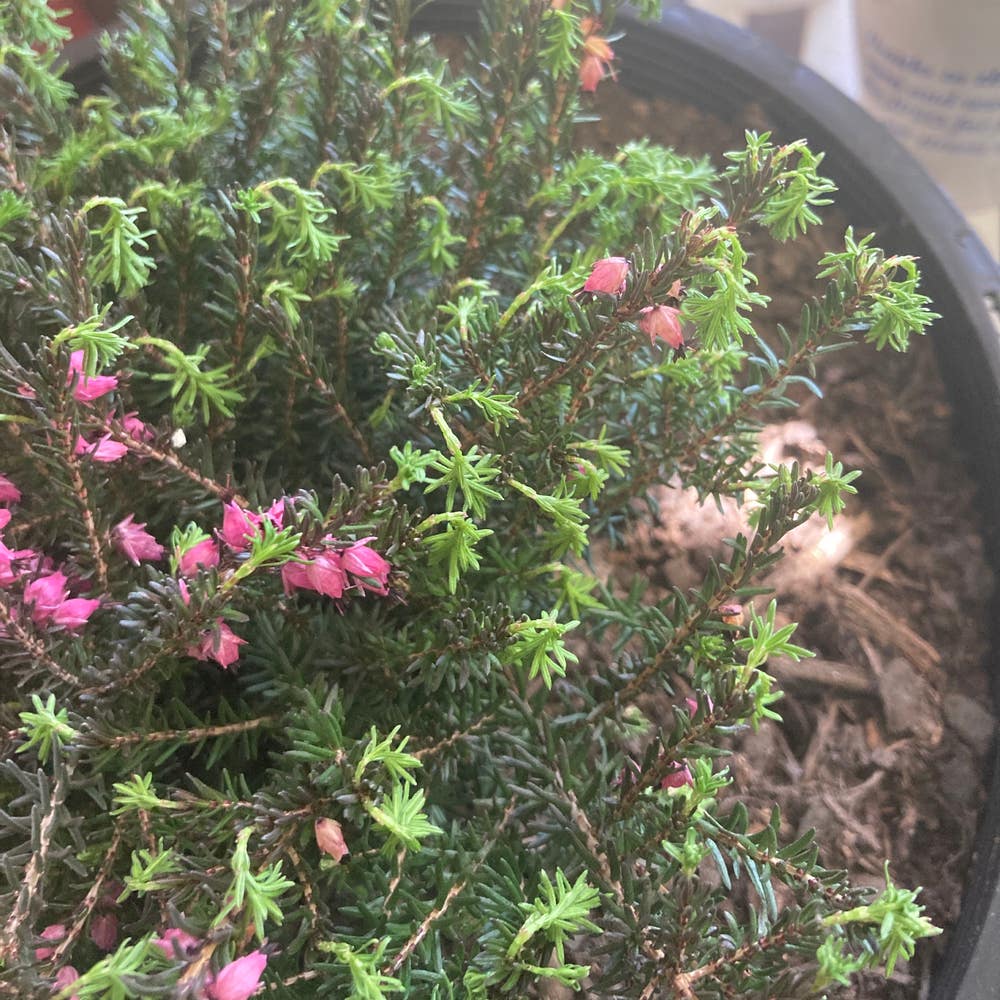
🌸 Failure to Bloom
Causes
Insufficient Light
Bell Heather thrives in full sun to partial shade. Without adequate sunlight, the bloom cycle can stall, leading to disappointing results.
Nutrient Deficiencies
Essential nutrients like phosphorus and potassium play a vital role in flower development. Signs of deficiencies include stunted growth and a lack of blooms.
Improper Soil Conditions
This plant prefers acidic, well-drained soils. Poor drainage or alkaline conditions can significantly hinder blooming.
💡 Solutions
Adjusting Light Exposure
To enhance blooming, consider moving your plants to sunnier spots or trimming back surrounding vegetation. This simple adjustment can make a world of difference.
Fertilization Tips
Utilize a balanced fertilizer high in phosphorus during the growing season. Always apply fertilizers based on soil test recommendations for optimal results.
Soil Amendments
Incorporate organic matter or peat to improve soil acidity and drainage. These amendments can create a more favorable environment for your Bell Heather.
🌼 Premature Flower Drop
Causes
Environmental Stress
Sudden temperature changes or drought conditions can lead to bud drop. Keeping an eye on weather fluctuations is crucial.
Overwatering
Excess moisture can cause root rot, which often results in flower drop. It's essential to find the right balance in watering.
Pest Infestations
Pests like aphids can weaken your plants, leading to premature flower drop. Regular inspections can help catch these issues early.
🛠️ Solutions
Watering Techniques
Water deeply but infrequently, allowing the soil to dry out between waterings. This method promotes healthier root systems.
Pest Control Methods
Consider using insecticidal soap or neem oil to manage pest populations effectively. These options are generally safe and effective.
Stress Reduction Strategies
Applying mulch can help retain moisture and regulate soil temperature. This simple step can protect your plants from environmental stressors.
🌱 Abnormal Flower Development
Causes
Genetic Factors
Some Bell Heather varieties may have inherent issues affecting flower morphology. Understanding your plant's genetics can guide your care.
Improper Pruning
Incorrect pruning can remove flower buds or alter the plant's shape. Timing and technique are key to successful pruning.
Disease
Fungal infections can lead to malformed flowers. Keeping an eye on plant health can help you catch diseases early.
✂️ Solutions
Pruning Best Practices
Prune after flowering to encourage healthy growth and bud formation. This timing allows the plant to recover and prepare for the next bloom cycle.
Disease Management
Use fungicides as needed and ensure good air circulation around your plants. Healthy airflow can prevent many fungal issues.
Selecting Healthy Plants
Choose disease-resistant varieties and inspect plants before purchase. A little diligence can save you a lot of trouble down the line.
🌿 Nutritional Needs and Flowering
Essential Nutrients for Blooming
Key Nutrients That Promote Flowering
Phosphorus is critical for bud formation, while potassium enhances overall plant health and bloom quality. Both are essential for a thriving Bell Heather.
Signs of Nutrient Deficiencies
Look for yellowing leaves, poor growth, and a lack of blooms as indicators of nutrient issues. Addressing these early can prevent bigger problems.
Fertilization Strategies
Best Fertilizers for Bell Heather
Opt for slow-release fertilizers formulated for acid-loving plants. These specialized options can provide the nutrients your plants crave.
Timing and Application Methods
Fertilize in early spring and again mid-summer for the best results. This schedule aligns with the plant's growth cycle.
🌍 Environmental Factors Affecting Flowering
Soil Conditions
Ideal Soil Types for Bell Heather
Bell Heather flourishes in acidic, well-drained soils with a pH of 4.5 to 6.0. Monitoring soil conditions is essential for successful blooming.
How Soil pH Affects Flowering
Alkaline soils can inhibit nutrient uptake, negatively impacting bloom quality. Regular soil testing can help maintain the right pH balance.
Weather and Climate Considerations
Impact of Temperature Fluctuations
Sudden cold snaps can damage buds and disrupt flowering. Being aware of weather patterns can help you protect your plants.
Strategies for Protecting Plants from Extreme Weather
Using frost cloths or mulch can insulate plants during cold spells. These protective measures can make a significant difference in plant health.
Understanding these factors can empower you to cultivate a thriving Bell Heather garden. With the right care, you can enjoy a vibrant display of blooms season after season.
⚠️ Safety First
This content is for general information and may contain errors, omissions, or outdated details. It is not medical, veterinary advice, or an endorsement of therapeutic claims.
Always consult a qualified healthcare professional before using any plant as food, medicine, or supplement.
Never eat any plant (or feed one to pets) without confirming its identity with at least two trusted sources.
If you suspect poisoning, call Poison Control (800) 222-1222, the Pet Poison Helpline (800) 213-6680, or your local emergency service immediately.
Spotted an error? Please report it here.
Unlock your Bell Heather's full blooming potential 🌸 with Greg's tailored care reminders and nutrient tracking, ensuring your garden thrives with vibrant flowers!