Fertilizing My Bell Heather
Erica cinerea
By the Greg Editorial Team
Apr 14, 2024•4 min read
This article was created with the help of AI so we can cover more plants for you. May contain errors. See one? Report it here.
Nurture vibrant Bell Heather blooms 🌺 with perfect fertilizing, avoiding over-love pitfalls.
- 🌺 Ericaceous fertilizers are best for Bell Heather's acidic soil needs.
- Fertilize in early spring and late summer, but not during peak blooms.
- Recognize over-fertilization by yellow leaves and white soil buildup.
Picking the Right Fertilizer for Your Bell Heather
💧 Acid-Loving Plant Food
Bell Heather's affinity for acidic conditions is no secret. It's all about the pH level, which should ideally hover between 4.5 and 6.0 for this plant to flourish. Acidic fertilizers unlock the door to nutrient uptake, making them essential for the vibrant blooms of Bell Heather.
Ericaceous fertilizers are the top pick here. They're specially formulated for acid-loving plants, ensuring that your Bell Heather gets the right balance of nitrogen, phosphorus, and potassium.
🐢 Slow-Release vs. Liquid Feeds
When it comes to feeding your Bell Heather, you're looking at two main contenders: slow-release granules and liquid feeds. Slow-release fertilizers are the tortoises in the race, providing a steady supply of nutrients over time. They're your best bet if you're after a low-maintenance approach and want to minimize the risk of over-fertilization.
On the other hand, liquid fertilizers are the hares, offering a quick nutrient boost. They require a more hands-on approach, with precise dosing to avoid overwhelming your plants.
Your gardening style will dictate your choice. If you're the set-it-and-forget-it type, go for slow-release. If you're all about that immediate gratification and don't mind the extra work, liquid feeds might be your jam.
Remember, whether you opt for the slow and steady organic options or the fast-acting synthetic ones, moderation is your mantra. Overdoing it can lead to a sad, leggy Bell Heather, and nobody wants that.
Timing is Everything: When to Fertilize
🌱 Spring Awakening
As new growth sprouts, your Bell Heather is shouting for nutrients. Early spring is your cue to start the fertilizing fiesta. It's like flipping the switch on after winter's snooze, giving your plant the zest to burst into life.
🌨️ Preparing for Winter
Come late summer, it's time to prep your Bell Heather for the colder months. A nutrient boost now is like a warm coat, fortifying the plant against winter's chill. But ease up; think of it as a hearty meal before a nap, not an all-you-can-eat buffet.
🌸 Blooming Season Watch-Outs
Peak bloom period? Hold your horses on the fertilizer. Over-enthusiasm here can lead to a nutrient overdose. Your Bell Heather isn't trying to win a marathon; it's already in the spotlight, so let it bask without extra fuss.
The Art of Fertilizing Bell Heather
💧 Dosage and Dilution
Getting the quantities right is crucial to avoid nutrient burn. Bell Heather doesn't take kindly to overindulgence. Start with a half-strength solution of the recommended dose on your fertilizer package. This conservative approach allows you to gauge your plant's reaction and adjust accordingly. It's better to underwhelm than overwhelm.
🎯 Application Techniques
When applying fertilizer, precision is your best friend. Use a measuring syringe or a small spouted container for liquid fertilizers to ensure even distribution around the plant's base. Avoid the leaves; they're not the target. After application, water the soil to help the nutrients seep in gently, like a soft rain after a drought, not a deluge.
Recognizing and Rescuing Over-Fertilized Bell Heather
🚨 Spotting Trouble
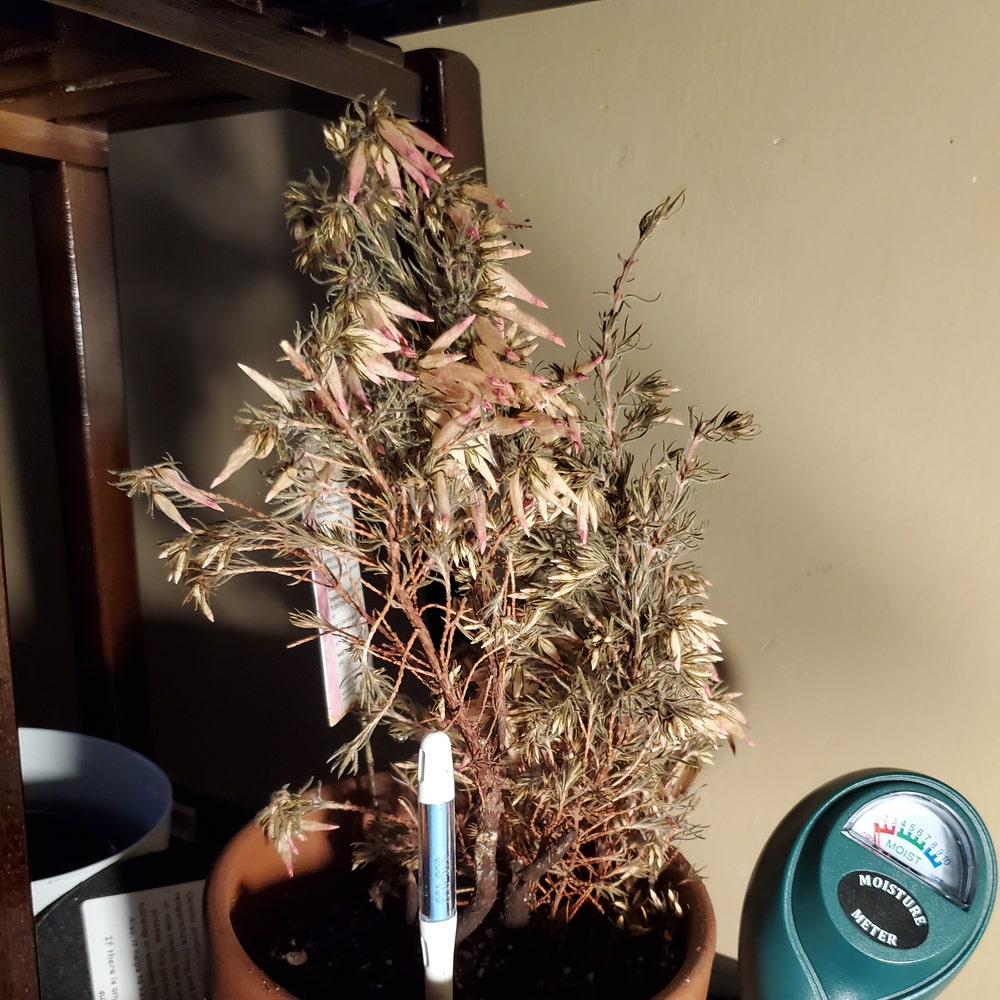
Bell Heather, like any plant, can suffer from too much of a good thing. Yellowing leaves or a crusty white buildup on the soil surface are red flags. Stunted growth and leaf browning at the tips are cries for help. These symptoms demand immediate attention to prevent further damage.
🛠️ Quick Fixes
If you've been generous to a fault with fertilizer, here's the game plan. Remove any visible fertilizer. Flush the soil with water to wash away excess nutrients—repeat every few days. Prune damaged foliage; it's beyond saving. For potted plants, consider changing the soil or at least the top layer. Hold off on fertilizing for a month to let your plant recuperate. Remember, moderation is key in plant nutrition.
⚠️ Safety First
This content is for general information and may contain errors, omissions, or outdated details. It is not medical, veterinary advice, or an endorsement of therapeutic claims.
Always consult a qualified healthcare professional before using any plant as food, medicine, or supplement.
Never eat any plant (or feed one to pets) without confirming its identity with at least two trusted sources.
If you suspect poisoning, call Poison Control (800) 222-1222, the Pet Poison Helpline (800) 213-6680, or your local emergency service immediately.
Spotted an error? Please report it here.
Ensure your Bell Heather flourishes with timely reminders ⏲ from Greg to apply the perfect fertilizer and keep its acidic haven just right.