💧 Why Are My Bell Heather Leaves Mushy?
Erica cinerea
By the Greg Editorial Team
Apr 14, 2024•3 min read
This article was created with the help of AI so we can cover more plants for you. May contain errors. See one? Report it here.
Prevent mushy Bell Heather leaves 🍂 by uncovering the root causes and learning the best fixes!
- Overwatering and poor drainage lead to mushy Bell Heather leaves.
- Fungal diseases worsen with damp conditions; use fungicides promptly.
- Prevent mushiness with correct watering, good drainage, and disease vigilance.
Spotting the Trouble: Signs of Mushy Leaves
🚨 Visual Symptoms
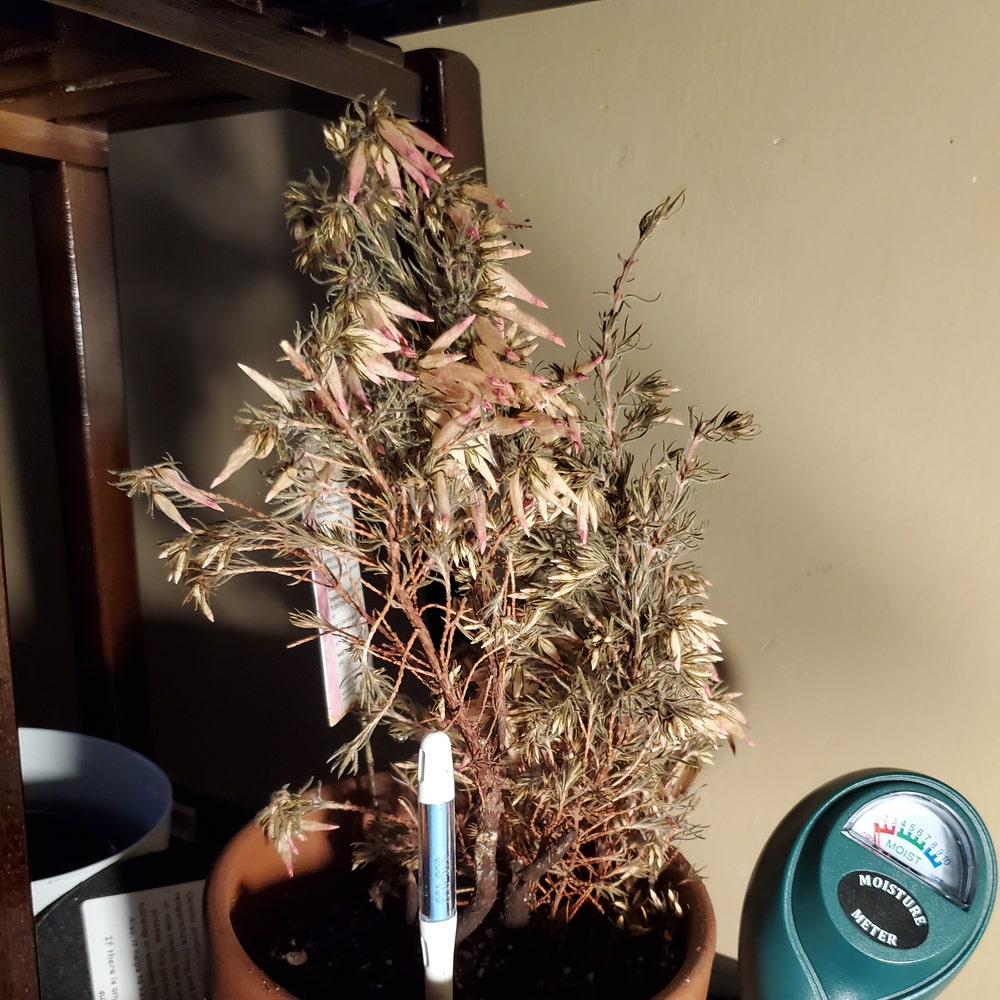
Discoloration is a tell-tale sign of trouble in Bell Heather. Leaves that should be a vibrant green may turn a sickly yellow or brown. This isn't just a fashion faux pas; it's a distress signal. Leaves that hang limp, as if they've lost the will to stand, are another visual giveaway. They should be perky, not droopy.
🖐️ Tactile Clues
The feel of the leaves can be just as revealing as their appearance. Healthy Bell Heather leaves are firm and spring back when touched. If they feel squishy or collapse under your fingers like a sad pancake, that's a red flag. They shouldn't leave a lasting impression on your fingertips or disintegrate at the slightest provocation.
Common Culprits: Causes of Mushy Leaves
💦 Overwatering Woes
Overwatering is a classic misstep that turns Bell Heather leaves to mush. It's the plant equivalent of waterboarding, where roots drown in their own habitat. If your soil feels like a soggy cereal bowl days after watering, you've likely gone overboard.
🚰 Drainage Dilemmas
Poor drainage is the silent partner in crime to overwatering. If your Bell Heather's pot lacks adequate escape routes for water, you're basically giving the roots a one-way ticket to Soggy Town. Test your setup: if water sits at the bottom like a lazy bath, it's time for a drainage intervention.
🍄 Fungal Foes
Fungi are the opportunists of the plant world, flourishing in the damp aftermath of overwatering. They turn robust roots into mushy casualties. Spot the signs: leaves that resemble wilted lettuce and a scent that's more mildew than fresh dew. Remember, fungi love a party where the conditions are perpetually moist.
Turning Things Around: Fixing Mushy Leaves
💧 Watering Wisdom
Water only when dry. Forget the calendar; your Bell Heather isn't keeping track. Use your finger or a moisture meter to check if the top inch of soil feels like a parched desert. If it's damp, step away from the watering can.
🚰 Drainage Solutions
Terracotta pots are your Bell Heather's best friend, offering breathability and style. If you're dealing with a chronic swamp situation, mix in some perlite or sand to keep things well-drained. Double potting can save that stylish non-draining container from becoming a plant coffin.
🍄 Fighting Fungus
Spot a funky leaf? Act fast with a targeted fungicide, but don't go wild—always follow label instructions. Keep the foliage dry and the air moving; your Bell Heather isn't looking to party with fungi. Post-treatment, keep an eye out for signs of recovery and adjust care routines as needed.
Keeping It Healthy: Preventing Future Mushiness
🚰 Balanced Watering
Check the soil before watering; it's the plant's truth-teller. If damp, skip the water. Aim for deep, infrequent watering to foster deep root growth. Unsure about moisture levels? A moisture meter can be your guide.
🚰 Ensuring Excellent Drainage
Regularly inspect your potting setup. Ensure your pot has drainage holes and consider a pebble layer at the bottom. Mix in perlite or coarse sand for a soil that doesn't hold water hostage. Remember, good drainage is as crucial as the watering itself.
🛡️ Vigilance Against Disease
Keep an eye out for fungal foes. Rotate fungicides if necessary, but focus on prevention: proper air circulation and watering at the base are your best defenses. Remove any infected foliage promptly to stop the spread of disease.
⚠️ Safety First
This content is for general information and may contain errors, omissions, or outdated details. It is not medical, veterinary advice, or an endorsement of therapeutic claims.
Always consult a qualified healthcare professional before using any plant as food, medicine, or supplement.
Never eat any plant (or feed one to pets) without confirming its identity with at least two trusted sources.
If you suspect poisoning, call Poison Control (800) 222-1222, the Pet Poison Helpline (800) 213-6680, or your local emergency service immediately.
Spotted an error? Please report it here.
Prevent mushy leaves in your Bell Heather by letting Greg craft a custom watering plan 🚿 that ensures just the right amount of moisture for healthy growth.