🌸 Bell Heather is Not an Invasive Plant
Erica cinerea
By the Greg Editorial Team
Oct 04, 2024•5 min read
This article was created with the help of AI so we can cover more plants for you. May contain errors. See one? Report it here.
Transform your garden with Bell Heather 🌼—a stunning, non-invasive plant that boosts local ecosystems! 🌱
- 🌼 Bell Heather is non-invasive, enhancing biodiversity without disrupting local ecosystems.
- 🌱 Its clumping growth limits spread, preventing it from overtaking other plants.
- 🐝 Supports pollinators and prevents soil erosion, making it ideal for sustainable gardening.
Plant Classification
Definition of Invasive Species 🌱
Invasive species are plants or animals that thrive in new environments, often outcompeting native species. They typically exhibit rapid growth and spread, displacing local flora and negatively impacting ecosystems.
Key characteristics of invasive species include:
- Rapid Growth and Spread: They can quickly dominate an area.
- Displacement of Native Flora: They often push out local plants, disrupting the balance.
- Negative Impact on Local Ecosystems: Their presence can lead to reduced biodiversity.
Why Bell Heather is Not Invasive 🌼
Bell Heather stands out as a non-invasive plant due to its unique growth habits. Its clumping growth form limits its spread, making it less likely to overtake other plants.
This species thrives in specific conditions, particularly acidic and well-drained soils, which restricts its aggressive growth.
Moreover, Bell Heather contributes positively to local ecosystems. It enhances biodiversity without dominating, making it a valuable addition to gardens and natural landscapes.
By understanding these traits, we can appreciate how Bell Heather fits harmoniously into its environment, promoting balance rather than disruption.
As we delve deeper into its growth habits, we’ll see how these characteristics manifest in garden settings.
Growth Habits
Typical Growth Patterns in Gardens 🌼
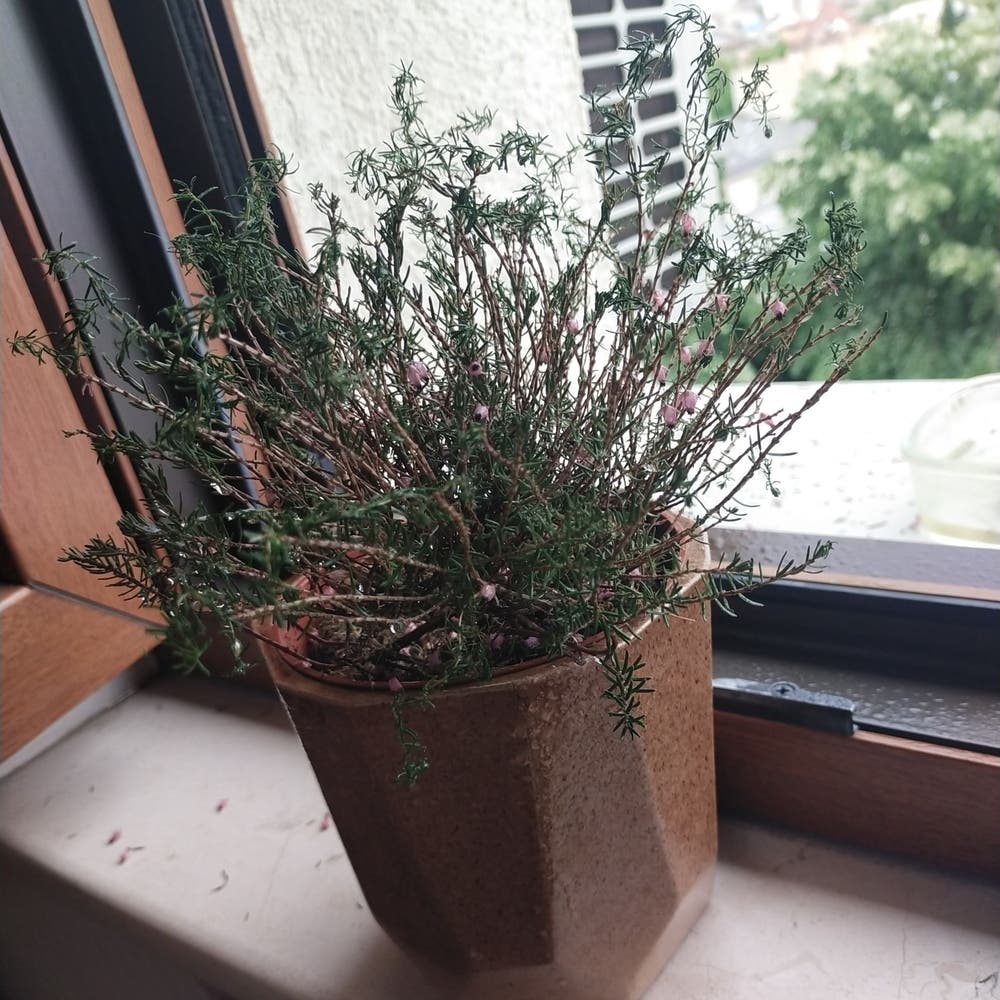
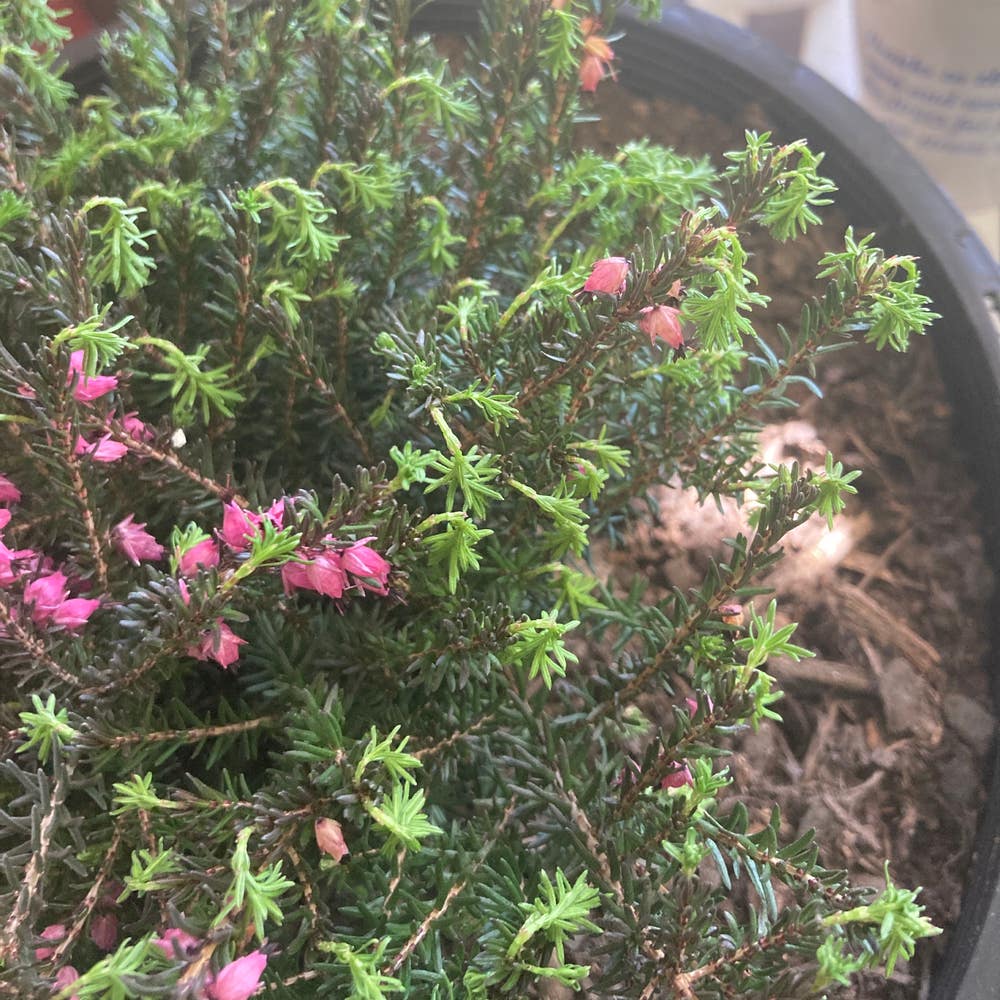
Bell Heather exhibits a low, bushy structure that creates a dense canopy. This growth form not only adds visual interest but also provides a habitat for various pollinators during its flowering season from late summer to early autumn.
Natural Limits to Growth 🌱
This plant thrives in acidic soils, which naturally limits its spread in non-native environments. Once established, its drought tolerance reduces competition with other plants, allowing it to coexist harmoniously in gardens.
Spread Potential and Management 📏
Due to its clumping nature, Bell Heather has limited spread potential. For optimal growth and air circulation, it's recommended to space plants 30-45 cm apart when planting.
Incorporating Bell Heather into your garden design can enhance its aesthetic appeal while supporting local ecosystems. With its manageable growth habits, it’s a fantastic choice for both novice and experienced gardeners.
Ecological Role
🌼 Benefits to Local Wildlife
Bell Heather plays a vital role in supporting local wildlife. It attracts pollinators like bees and butterflies, which enhances biodiversity in the area.
This plant also provides essential habitat and food sources for various insects and small animals. By fostering a rich ecosystem, Bell Heather contributes to the overall health of the environment.
🌱 Positive Interactions with Other Plants
One of the standout features of Bell Heather is its compatibility with other native plants. This compatibility promotes a balanced ecosystem, allowing diverse species to thrive together.
Additionally, Bell Heather can be effectively used in companion planting. This practice enhances garden health by creating synergistic relationships between plants.
🌍 Role in Local Ecosystems
In heathland habitats, Bell Heather contributes significantly to soil stabilization. Its root system helps prevent erosion, maintaining the integrity of the landscape.
Moreover, it supports nutrient cycling and improves soil health. By enriching the soil, Bell Heather ensures that other plants can flourish, creating a vibrant ecosystem.
With its myriad benefits, Bell Heather is not just a beautiful addition to gardens; it plays a crucial role in maintaining ecological balance. This sets the stage for exploring how to incorporate this remarkable plant into your garden designs.
Garden Management
Incorporating Bell Heather into Garden Designs 🌼
Bell Heather is a fantastic choice for rock gardens, borders, and as ground cover. Planting it in groups not only enhances visual impact but also boosts ecological benefits.
Aesthetic Considerations 🎨
The colorful blooms of Bell Heather provide delightful seasonal interest. Its evergreen foliage ensures your garden maintains structure and beauty year-round.
Practical Growth Control Methods ✂️
Regular pruning helps maintain the plant's shape and encourages new growth. While monitoring for unwanted spread is wise, the clumping nature of Bell Heather means such concerns are minimal.
Incorporating Bell Heather into your garden not only beautifies your space but also supports local ecosystems. Next, let’s explore how this plant interacts positively with local wildlife.
Comparison to Other Plants
🌱 Similar Non-Invasive Plants
When considering non-invasive plants, Bell Heather stands out alongside other native species like traditional heather and various low-growing shrubs. While these plants share the trait of being non-invasive, their growth habits and ecological roles can differ significantly.
🌼 Unique Qualities of Bell Heather
Bell Heather is particularly notable for its distinctive bell-shaped flowers and evergreen foliage. This plant thrives in poor, acidic soils and exhibits impressive drought tolerance, making it a resilient choice for diverse garden settings.
🌿 Benefits in a Garden Setting
Incorporating Bell Heather into your garden can enhance biodiversity and support local wildlife. Its low maintenance requirements and resilience once established make it an appealing option for gardeners looking to create a vibrant, sustainable landscape.
Bell Heather not only beautifies your space but also plays a crucial role in fostering a healthy ecosystem. As we explore its ecological contributions further, you'll discover how it can be a valuable addition to your garden.
Legal and Environmental Considerations
🌱 Sustainable Gardening Practices
Using native and non-invasive plants is crucial for maintaining ecological balance. Bell Heather fits perfectly into this category, making it an excellent choice for sustainable gardening.
Integrating Bell Heather into your garden design can enhance both beauty and biodiversity. Consider planting it alongside other native species to create a harmonious environment that supports local wildlife.
🌍 Environmental Impact of Bell Heather
Bell Heather makes positive contributions to local ecosystems without causing harm. Its presence helps promote biodiversity, providing essential resources for pollinators like bees and butterflies.
By supporting these vital species, Bell Heather plays a significant role in maintaining healthy ecosystems. This makes it not just a pretty addition to your garden, but a key player in the environmental landscape.
As we explore the next section, consider how Bell Heather can enhance your garden while supporting the environment.
⚠️ Safety First
This content is for general information and may contain errors, omissions, or outdated details. It is not medical, veterinary advice, or an endorsement of therapeutic claims.
Always consult a qualified healthcare professional before using any plant as food, medicine, or supplement.
Never eat any plant (or feed one to pets) without confirming its identity with at least two trusted sources.
If you suspect poisoning, call Poison Control (800) 222-1222, the Pet Poison Helpline (800) 213-6680, or your local emergency service immediately.
Spotted an error? Please report it here.
Elevate your garden's beauty and biodiversity 🌼 with Bell Heather, and let Greg guide you with tailored care tips to ensure it thrives effortlessly!