🤒 Why Are the Leaves on My Bell Heather Turning Yellow?
Erica cinerea
By the Greg Editorial Team
Apr 14, 2024•4 min read
This article was created with the help of AI so we can cover more plants for you. May contain errors. See one? Report it here.
Say goodbye to yellow leaves 🍂 and hello to lush Bell Heather with these essential care tips!
- Nutrient deficiencies like nitrogen, iron, and magnesium turn leaves yellow.
- Soil moisture and pH balance are crucial; test and adjust for Bell Heather health.
- Seasonal care adjustments prevent yellowing; monitor and adapt watering and fertilization.
Pinpointing the Culprits Behind Yellow Leaves
💡 Nutrient Shortfalls
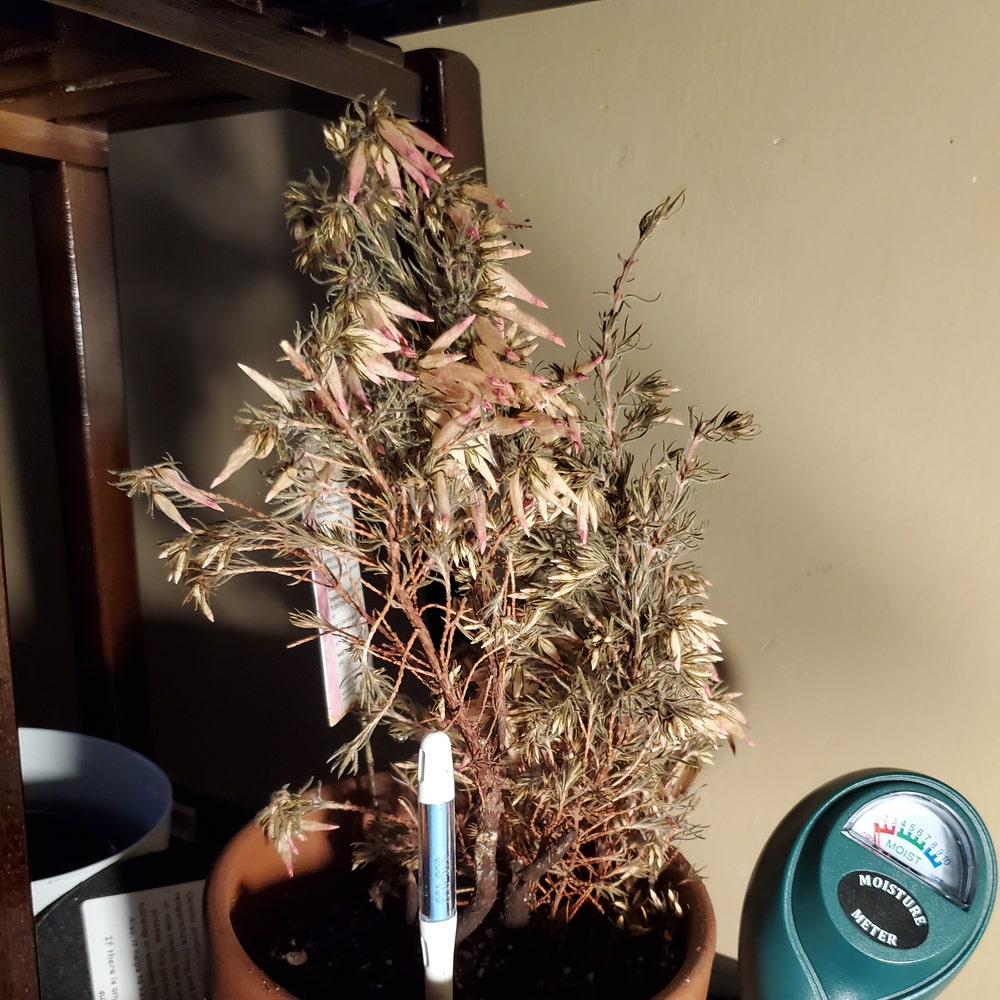
Yellowing leaves on Bell Heather can be cryptic messages from your plant, indicating a deficiency in key nutrients like nitrogen, iron, and magnesium. Iron deficiency often targets new leaves, leaving a stark pattern of green veins against a yellow backdrop. Magnesium deficiency, on the other hand, turns older leaves yellow with a distinctive green arrowhead shape at the center. A general pallor starting with the oldest leaves typically signals a lack of nitrogen.
🚰 Water Woes
Overwatering and underwatering can both lead to yellow leaves, but the symptoms differ. Overwatered Bell Heather will have leaves that feel squishy and look sad, while underwatered plants will have leaves that are dry and crispy. The key is to let the topsoil dry slightly before the next watering and ensure excellent drainage to prevent soggy conditions.
🌱 Soil pH and Its Impact
Bell Heather thrives in acidic soil, and a deviation from this can hinder nutrient uptake, leading to yellow leaves. A simple soil test can reveal if the pH is off balance. If necessary, amending the soil can help maintain the ideal acidity for Bell Heather, ensuring it can absorb all the nutrients it needs for healthy growth.
First Aid for Yellow Leaves
🌱 Feeding Your Bell Heather Right
Nutrient deficiencies can leave your Bell Heather looking more jaundiced than joyful. A balanced, water-soluble fertilizer is your go-to remedy. Avoid overfeeding; it's a fine line between nourishment and nutrient burn.
Uniformly distribute the fertilizer around the soil, steering clear of the plant's base to prevent root damage. Don protective gear—this isn't a suggestion, it's a must.
💧 Watering Wisdom
Yellow leaves might be your Bell Heather's way of saying, "I'm thirsty," or "I'm drowning!" Adjust your watering to hit that sweet spot. The goal is consistent soil moisture—think of it as your plant's favorite drink, served just right.
Use your finger to check the soil; if the top inch feels like a dry desert, it's time to water. Ensure your pot has drainage holes to combat waterlogged soil, a surefire way to unhappy roots.
🌿 Balancing the Soil pH
Bell Heather adores acidic soil, with a pH sweet spot between 4.5 and 6.0. To keep it in this range, test your soil. If it's too alkaline, acidifying fertilizers or sulfur can bring it back to heather heaven.
Remember, the right pH unlocks the door to nutrient uptake. Nitrogen, phosphorus, and potassium are the VIPs for vibrant growth, so make sure your soil's pH isn't turning them away at the door.
Prevention: Keeping Bell Heather Happy
Maintaining the vibrant health of Bell Heather requires a proactive approach. Let's dive into a care routine that keeps those leaves green and not a sickly yellow.
🌱 Integrating a Care Routine
To prevent yellowing leaves, consistency is your best friend. Regular monitoring is essential; think of it as a weekly health check-up for your plant. Examine the leaves for early signs of distress, such as discoloration or drooping, which can indicate issues before they become severe.
🍂 Adjusting for the Seasons
Your Bell Heather isn't static; it changes with the seasons, and so should your care. Water less in winter when growth slows down, and ramp it up during the drier months. It's like adjusting your wardrobe for the weather—your plant needs different things at different times.
🌱 Seasonal Soil Checks
Don't forget the soil. Test its pH periodically to ensure it stays on the acidic side, which Bell Heather loves. If you're mulching—and you should be—refresh it as needed to keep the roots cozy and the soil moist.
🌿 Fertilization Fine-Tuning
Fertilize with a light touch, using products suited for acid-loving plants. Overfeeding can be just as problematic as neglect. Think of it as a balanced diet for your plant; too much of a good thing can still be bad.
🌧 Monitoring and Adjusting Care
Keep an eye on the sky. If you're getting a lot of rain, you might need to cut back on watering. Conversely, during a dry spell, your Bell Heather might need an extra drink. Use tools like a moisture meter or the trusty finger test to avoid soggy soil conditions.
🐛 Pest and Disease Vigilance
Pests and diseases can sneak up on you. Regularly inspect your Bell Heather for unwelcome visitors and signs of illness. Catching them early means you can deal with them before they cause real damage.
By establishing and sticking to a care routine, you're not just reacting to problems; you're setting the stage for a thriving Bell Heather display. It's about being proactive rather than reactive, and that's the secret sauce for happy, healthy plants.
⚠️ Safety First
This content is for general information and may contain errors, omissions, or outdated details. It is not medical, veterinary advice, or an endorsement of therapeutic claims.
Always consult a qualified healthcare professional before using any plant as food, medicine, or supplement.
Never eat any plant (or feed one to pets) without confirming its identity with at least two trusted sources.
If you suspect poisoning, call Poison Control (800) 222-1222, the Pet Poison Helpline (800) 213-6680, or your local emergency service immediately.
Spotted an error? Please report it here.
Prevent the yellow-leaf blues in your Bell Heather by using Greg's PlantVision 🌿 to pinpoint issues and receive a tailored care plan for a vibrant and healthy plant display.